Top pick for plaque-prone skin
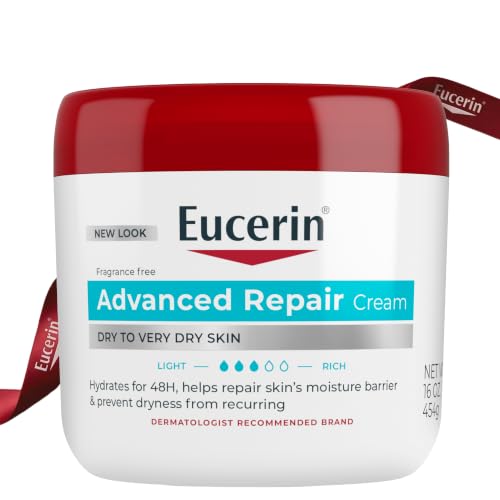
Eucerin Advanced Repair Cream
16 oz jarCeramide-3 + ureaFragrance-freeTriple-complex
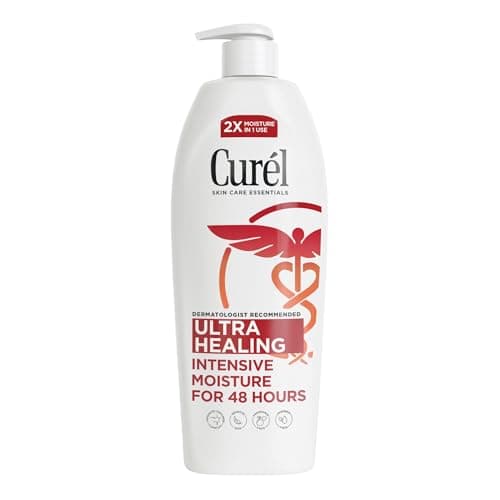
Eucerin Advanced Repair Cream is the one pick here that does both halves of the job on the label: ceramide-3 for the lipid side and urea for the scale side, fragrance-free, in a 16 oz jar you can use as generously as plaque-prone skin needs. Best for: thick, scaly, tight-feeling patches on elbows, knees and shins. The honest trade: urea stings on open cracks or freshly broken skin, so on a flaring plaque you start with the plain balm below and bring this back once the surface has closed. Curel Ultra Healing is our budget pick and the cheapest per ounce on the page.
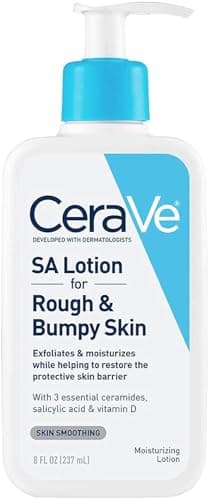
The best body lotion for psoriasis-prone skin is Eucerin Advanced Repair Cream— ceramide-3 plus urea, fragrance-free, 16 oz — because urea is one of only two ingredients on this shelf that actually softens scale rather than merely sitting on it. For the person who needs to cover a lot of skin twice a day, the budget pick is Curel Ultra Healing Lotion: 20 oz of fragrance-free ceramide-complex lotion at the lowest cost per ounce on the page. If urea stings you, the salicylic-acid route is CeraVe SA Lotion.
Before the ranking, the thing that has to be said first and will be said again below: psoriasis is an immune-mediated disease and no moisturizer on this page treats it. Plaques are driven by an overactive immune signal that makes skin cells turn over far too fast, and the things that change that are prescription — topical steroids, vitamin D analogues, phototherapy, systemics and biologics. The published patient guidance is consistent on where emollients fit: they are the adjunct. They soften scale so a prescription can reach the skin under it, they reduce the cracking and itching at the plaque edge, and they make the barrier around a plaque behave. That is a real job and it is worth choosing the right product for. It is not a treatment, and anyone selling you a lotion as one is lying to you.
Why this page ranks differently from our eczema page
Dry, eczema-prone and psoriasis-prone skin want overlapping products but not the same first pick, and the difference is scale. Eczema-prone skin is typically thin, weepy or fissured, and the priority is tolerance: as few ingredients as possible, nothing that stings. Psoriatic plaques are the opposite problem — a thick, adherent, silvery-white build-up of dead cells sitting on top of the plaque. A plain emollient hydrates that layer; a keratolytic helps lift it.
Only two ingredients on this shelf do that, and both are in the ranking above:
- Urea.A humectant at low percentages and a keratolytic at higher ones — it both draws water into the scale and helps break the bonds holding it together. It is the reason Eucerin Advanced Repair is our top pick rather than a general-purpose favourite.
- Salicylic acid. A beta hydroxy acid that works on the same layer by a different route, and the more common one in dedicated scale products. It is why CeraVe SA Lotionis here, paired with three named ceramides so the exfoliation does not come at the barrier’s expense.
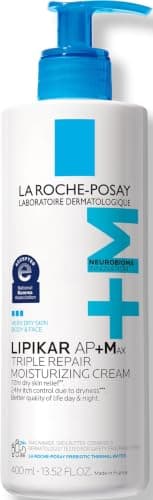
Both have the same caveat, and it matters: on broken skin, they sting. If a plaque is cracked, bleeding or freshly treated, neither is the product for that day. That is what the plain Lipikar balmis for in this ranking — the heaviest, blandest occlusion on the page, for the days when the only requirement is to stop the surface drying out and splitting further.
The six, side by side
| Pick | Best for | Softens scale? | Ceramides disclosed | Size |
|---|
| Eucerin Advanced Repair Cream | Thick scale on elbows, knees, shins — top pick | Yes — urea | Ceramide-3 (NP) | 16 oz |
| Curel Ultra Healing Lotion | Covering large areas twice a day — budget pick | No | Ceramide complex (type not published) | 20 oz |
| CeraVe SA Lotion | Scale, where urea stings you | Yes — salicylic + lactic acid | Ceramides 1, 3, 6-II | 8 oz |
| La Roche-Posay Lipikar Balm AP+M | Flaring, cracked or freshly treated plaques | No — deliberately bland | None — niacinamide, shea, glycerin | 13.5 oz |
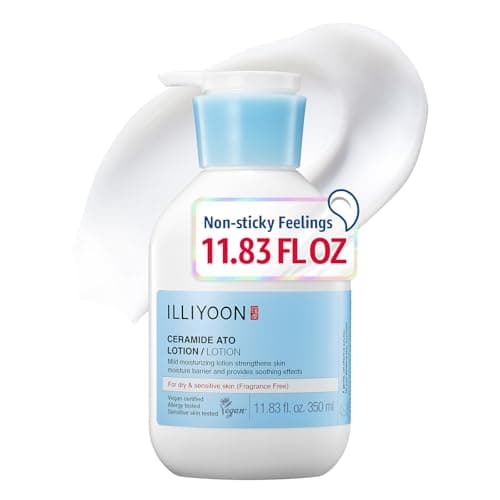
| Illiyoon Ceramide Ato Lotion | Skin between flares, and anyone who hates a thick cream | No | Ceramide NP + cholesterol + phytosphingosine | 11.83 fl oz |
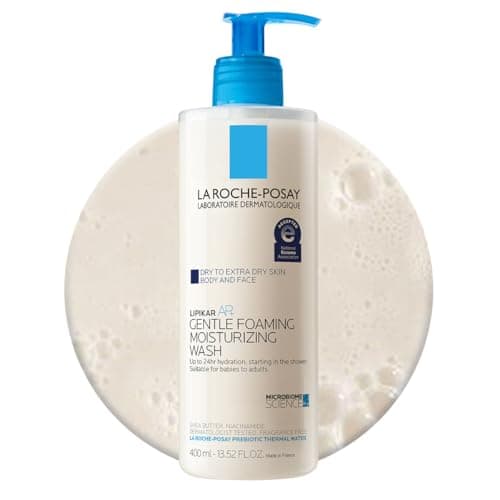
| La Roche-Posay Lipikar AP+ Body Wash | The shower step — where most of the damage happens | No | None disclosed | 13.52 oz |
The short answer
At a glance
| # | Product | Ceramides | Score | Price |
|---|
| 01 | Rough, very dry body skin Eucerin Advanced Repair CreamCeramide-3 plus urea in a 16 oz jar — the pick for genuinely rough, dry body skin, because urea does what humectants alone cannot. | Ceramide-3 (NP) + urea | | $15.78·Amazon $0.99/oz |
| 02 | Best-value ceramide body lotion Curel Ultra Healing LotionCurel is a ceramide-technology brand, and this is its workhorse: a 20 oz bottle of ceramide-complex body lotion for pocket change per ounce. | Ceramide complex (Curel) | | $12.77·Amazon $0.64/oz |
| 03 | Keratosis pilaris and rough, bumpy skin CeraVe SA Lotion for Rough & Bumpy SkinThree ceramides plus salicylic and lactic acid — the barrier-safe way to smooth keratosis pilaris ("chicken skin") without stripping. | Ceramides 1, 3, 6-II + salicylic/lactic acid | | $14.99·Amazon $1.87/oz |
| 04 | Eczema-prone body skin (barrier balm) La Roche-Posay Lipikar Balm AP+MA hugely popular eczema-prone body balm — but be honest about what it is: a niacinamide-and-shea barrier balm, not a ceramide showcase. | Not ceramide-led (niacinamide + shea + glycerin) | | $21.99·Amazon $1.63/oz |
| 05 | Barrier repair on body skin that rejects a cream Illiyoon Ceramide Ato LotionThe rare body lotion that discloses the whole barrier trio — Ceramide NP, cholesterol and phytosphingosine — in a texture light enough to use from the neck down. | Ceramide NP (with cholesterol + phytosphingosine) | | $17.49·Amazon $1.48/oz |
| 06 | | None disclosed — shea butter, niacinamide, glycerin | | $19.99·Amazon $1.48/oz |
#ad · Live prices and cost-per-ounce from the Amazon Product API, as of November 22, 2026. Where we have no verified live price, we show none — a gap beats a number that has rotted.
In detail
The picks, in full
Rough, very dry body skin
Eucerin Advanced Repair Cream
Ceramides: Ceramide-3 (NP) + urea
16 oz jarCeramide-3 + ureaFragrance-freeTriple-complex
Ceramide-3 plus urea in a 16 oz jar — the pick for genuinely rough, dry body skin, because urea does what humectants alone cannot.
- Ceramide profile
- 7
- Barrier support
- 8
- Suitability
- 8
- Formulation
- 8
- Value
- 9
Pros
- +Urea both hydrates and gently smooths rough, scaly skin — a real advantage for feet, elbows, and shins
- +Ceramide-3 in the formula supports the barrier while the urea does the smoothing
- +Large jar at a low cost-per-ounce
Cons
- −Urea can sting on cracked or broken skin
- −The jar format is less hygienic than a pump for a body product
Don't buy this if…
…you have open cracks or actively broken skin. Urea can sting there — reach for a plain fragrance-free barrier balm until it heals, then switch back.
Best-value ceramide body lotion
Curel Ultra Healing Lotion
Ceramides: Ceramide complex (Curel)
20 oz pumpCeramide complexFragrance-freeFor extra-dry skin
Curel is a ceramide-technology brand, and this is its workhorse: a 20 oz bottle of ceramide-complex body lotion for pocket change per ounce.
- Ceramide profile
- 7
- Barrier support
- 7
- Suitability
- 9
- Formulation
- 8
- Value
- 10
Pros
- +Built around Curel's ceramide technology at a body-scale price almost nothing beats
- +Fragrance-free and formulated for extra-dry, sensitive skin
- +Twenty-ounce pump lasts, and the cost-per-ounce is among the lowest on the site
Cons
- −Curel discloses a ceramide complex rather than naming specific types
- −Light body-lotion texture, not a heavy occlusive for the worst cracking
Don't buy this if…
…you need heavy occlusion for badly cracked skin. This is a daily body lotion — for severe dryness a thicker balm or urea cream will hold longer.
Keratosis pilaris and rough, bumpy skin
CeraVe SA Lotion for Rough & Bumpy Skin
Ceramides: Ceramides 1, 3, 6-II + salicylic/lactic acid
8 oz pumpSalicylic + lactic acidCeramides 1·3·6-IIFragrance-free
Three ceramides plus salicylic and lactic acid — the barrier-safe way to smooth keratosis pilaris ("chicken skin") without stripping.
- Ceramide profile
- 8
- Barrier support
- 7
- Suitability
- 6
- Formulation
- 8
- Value
- 8
Pros
- +Combines gentle chemical exfoliation with the three-ceramide barrier blend, so smoothing does not come at the barrier's expense
- +Genuinely effective on keratosis pilaris on arms and thighs
- +Fragrance-free and a fair cost-per-ounce
Cons
- −The exfoliating acids can be too much for sensitive or already-compromised skin
- −Not a plain moisturizer — this is a treatment lotion with a specific job
Don't buy this if…
…your skin is sensitized or your barrier is currently damaged. Exfoliating acids on a broken barrier make things worse — repair first with a plain ceramide cream, then introduce this.
Eczema-prone body skin (barrier balm)
La Roche-Posay Lipikar Balm AP+M
Ceramides: Not ceramide-led (niacinamide + shea + glycerin)
400 mL / 13.5 ozNiacinamideShea butterPrebiotic water
A hugely popular eczema-prone body balm — but be honest about what it is: a niacinamide-and-shea barrier balm, not a ceramide showcase.
- Ceramide profile
- 4
- Barrier support
- 9
- Suitability
- 9
- Formulation
- 8
- Value
- 8
Pros
- +A genuinely effective, well-tolerated balm for itchy, eczema-prone body skin
- +Large tube and a reasonable cost-per-ounce for a dermatologist-shelf balm
- +Niacinamide, shea, and prebiotic thermal water make a soothing, occlusive barrier layer
Cons
- −This is the honest part: Lipikar leans on shea and niacinamide, not a disclosed ceramide blend — if ceramides specifically are your goal, it is the wrong pick
- −Rich enough that it can feel heavy in warm weather
Don't buy this if…
…you specifically want ceramides. Lipikar is an excellent barrier balm, but it is not built around ceramides — for that, the Eucerin ceramide-and-urea creams or a Curel lotion are the on-target body choices.
Barrier repair on body skin that rejects a cream
Illiyoon Ceramide Ato Lotion
Ceramides: Ceramide NP (with cholesterol + phytosphingosine)
11.83 fl ozCeramide NPFragrance-freeVegan certified
The rare body lotion that discloses the whole barrier trio — Ceramide NP, cholesterol and phytosphingosine — in a texture light enough to use from the neck down.
- Ceramide profile
- 9
- Barrier support
- 8
- Suitability
- 9
- Formulation
- 9
- Value
- 6
Pros
- +Lists Ceramide NP alongside cholesterol and phytosphingosine — the lipid trio most body lotions skip
- +Fragrance-free, and the brand markets it as mild enough for babies
- +Thin enough for whole-body use but repairing enough to use on the face too
Cons
- −Costs several times what a drugstore ceramide body lotion does per ounce
- −Illiyoon discloses one ceramide type, not the three CeraVe names
- −Import distribution means availability and price both move around
Don't buy this if…
…you are moisturizing a whole adult twice a day and cost-per-ounce is the deciding number. For that volume of use, the 20 oz Curel pump or the 19 oz CeraVe tub is the rational buy.
Eczema-prone skin, babies included
La Roche-Posay Lipikar AP+ Gentle Moisturizing Body Wash
Ceramides: None disclosed — shea butter, niacinamide, glycerin
13.52 ozNo ceramides listedShea + niacinamideNEA accepted
No ceramides, and still one of the best washes for a damaged barrier: soap-free, shea-rich, niacinamide, and accepted by the National Eczema Association.
- Ceramide profile
- 3
- Barrier support
- 8
- Suitability
- 9
- Formulation
- 9
- Value
- 6
Pros
- +Soap-free, non-stripping and accepted by the National Eczema Association, with a label cleared for babies from two weeks
- +Shea butter and glycerin do the conditioning work, and niacinamide is the best-evidenced soothing addition in the group
- +Foams properly, which makes it the easiest of these to actually use on a whole family
Cons
- −Contains no ceramides at all — if the ceramide is the reason you are shopping, this is not the bottle
- −Premium price per ounce for a cleanser, and the scent status varies by regional version, so check the bottle you are sent
Don't buy this if…
…you specifically want ceramides in the shower. It is on this page because it is a genuinely good wash for a compromised barrier, not because it is a ceramide product.
The shower is doing more damage than the lotion is fixing
If you only change one thing after reading this page, change the wash rather than the lotion. A foaming surfactant bar or gel strips the lipids out of the stratum corneum on its way past, and on psoriasis-prone skin that lands on an already compromised barrier two or three times a week. Hot water makes it worse by melting and carrying away more lipid than warm water does — which is why hot showers and your body wash are the two things we keep sending readers back to.
The practical routine is short. Warm, not hot. Soap-free wash, applied only where you actually need it. Pat dry rather than rub, and moisturize within about three minutes, while the skin is still damp — an emollient applied to damp skin traps water that is already there rather than trying to pull it back in from a dry surface. The dermatology guidance on dry skin has said the same thing for years and it costs nothing to do.
Why ceramides are in this conversation at all
Scale is the visible problem; the barrier underneath it is the one that makes the skin hurt. A plaque is not a watertight surface — water leaves through it faster than through normal skin, which is the tightness and the splitting you feel at the edges. Replacing the lipids skin uses to build that seal is the only part of barrier care you can do from a tub, and the lipid-ratio work is why we care which lipids a product actually names: ceramides alone are less effective than ceramides with cholesterol and fatty acids in roughly the proportion skin uses.
Which is why Illiyoon Ceramide Ato Lotion is on this page despite having no keratolytic and the highest price per ounce in the ranking: it is the one pick whose listing discloses the whole trio— ceramide NP, cholesterol and phytosphingosine. For skin between flares, where there is no scale to lift and the job is simply to keep the barrier stocked, it is the most completely specified thing here. Our ingredient-label guide explains how to read that off a bottle yourself.
Three things worth ignoring on a psoriasis lotion label
- “Psoriasis relief” as a front-of-pack phrase. On a cosmetic moisturizer this describes the dryness around a plaque, not the plaque. The products that can make a disease claim are regulated differently and come from a pharmacy counter or a prescription pad.
- Coal tar in the same breath as a moisturizer.Tar preparations are a real and long-established psoriasis treatment, and they are a different product category with their own instructions — not something to pick between against a ceramide lotion. That is a conversation for whoever is treating you.
- “Dermatologist recommended” without a study. It is a marketing phrase on nearly every mass-market tub on this shelf, including some we rank highly. It tells you nothing the ingredient list does not tell you better.
Fragrance, and why every pick here is fragrance-free or close to it
Plaque skin and the skin immediately around it is more permeable than healthy skin, so anything applied to it meets less resistance on the way in. Fragrance is the most common cause of contact reactions in skincare and the one with the least to offer in return, so on this shelf we treat it as a straightforward disqualifier. Note that fragrance-free and unscented are not the same claim — unscented can mean a masking fragrance was used to cancel out a base smell. Five of the six picks above state fragrance-free on the listing; the Lipikar wash is sold on a soap-free, National Eczema Association-accepted framing instead.
Use far more than you think, and buy accordingly
The most common mistake with psoriasis-prone skin is not the wrong product, it is too little of the right one. Treating both legs, both arms and a torso properly, twice a day, goes through an ounce or more a day — which is exactly why the top of this ranking is dominated by 16 and 20 oz containers rather than elegant 2 oz jars. A product you ration is a product that is not working, and the cheapest pick on this page at the highest usage beats the most sophisticated formula applied sparingly. We publish a live cost-per-ounce on every pick above precisely so you can see which ones you can afford to be generous with. If the running cost is the whole question, the wider ranking is on the best ceramide body lotion under $25.
The honest bottom line
Buy the urea cream if you have scale, the plain balm for the days a plaque is cracked, and the biggest bottle you can of something fragrance-free for everything else. Change the wash while you are at it. Then take the result to whoever is treating you, because the reason this routine is worth doing is that it makes their treatment work better — not that it replaces it. If your skin is also eczema-prone or the rough patches are on your upper arms rather than your joints, keratosis pilaris is a different problem with a different first pick.
Also worth having · under $40
The small stuff that makes this easier
Two cheap things that make a 16 oz jar easier to live with when you are applying it twice a day over large areas.
None of it repairs a barrier — the moisturizer does that. These are cheap conveniences that make the routine easier to actually keep up.
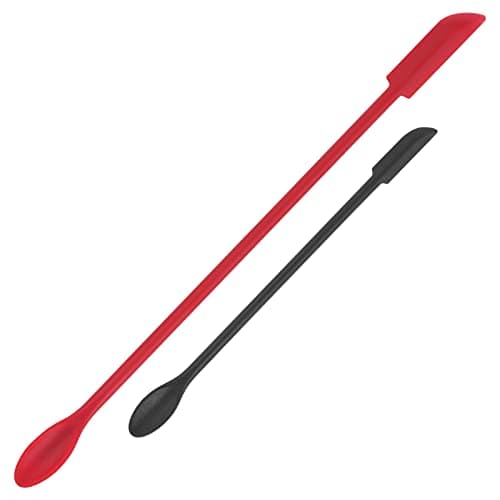
Cuttte Mini Silicone Skincare Spatula Set
2-piece set
A jar is the least hygienic format there is, because every dip puts a finger and a fresh dose of air into the whole remaining product. A spatula is the cheapest way to stop doing that.
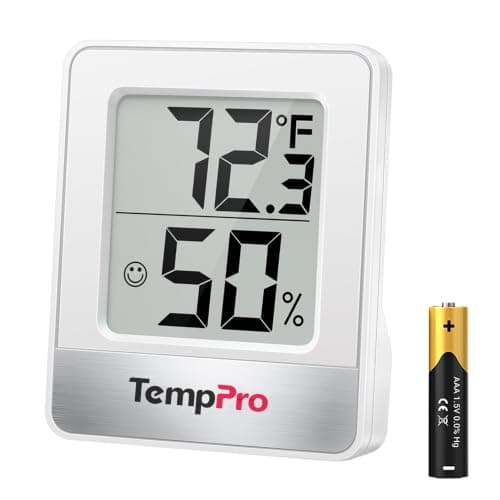
TempPro TP49 Digital Hygrometer
Single unit
We compute cost-per-ounce rather than calling something expensive, and this is the same idea applied to your room: a $9 readout tells you whether the air is actually dry before you buy a humidifier to fix it.
Amazon links, so we may earn a commission at no cost to you — see the affiliate disclosure. We were not given any of these, and nothing here changed which products won this page.
How we picked
We do not run a testing lab
Everyone in this category claims a lab and a testing count. We do not have one, and we will not pretend to. What we do instead: read every INCI list and record the actual ceramide types each formula discloses, note whether it pairs them with cholesterol and fatty acids, and compute the cost-per-ounce from the live price — then score each product against a published rubric. The scores are judgments from that documented research, not measurements we took. Where a claim comes from the manufacturer, we say so and cite it in Sources.
Keep reading
Related on Ceramide Club