Skip to content
Ceramide Club

Hub 06 · Compare

Ceramide Serum vs Ceramide Toner

A serum sells you concentration in one ounce. A toner sells you volume in eight. They are not competing products so much as different answers to how much of a routine you want the ceramide step to be - and one well-known bottle is marketed as both.

By Stephen V.Updated October 25, 2026

#ad Ceramide Club is reader-supported. If you buy through our links we may earn a commission, at no cost to you — it never changes our verdict. How this works.

If you buy one, buy the serum

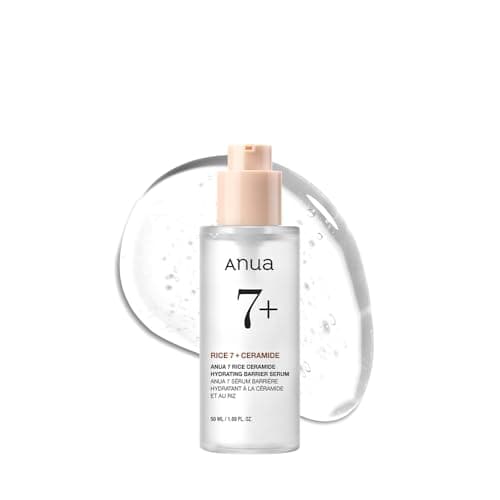
Anua Anua Rice Ceramide 7 Hydrating Barrier Serum

Anua Rice Ceramide 7 Hydrating Barrier Serum

7.2/10
1.69 fl oz3% niacinamideCeramides + panthenolFragrance-free

Between the two formats, the serum wins on the thing you are buying: ceramide per application. The Anua Rice Ceramide 7 Hydrating Barrier Serumis the pick, and we have ranked its own brand's Rice 70 Glow Milky Toner directly beneath it so you can see the trade with the brand held constant: five times the bottle, a fraction of the concentration, a far better cost-per-ounce. Buy the toner as well if you like the ritual and want cheap hydration over a large area. Buy it insteadonly if the alternative is skipping the step entirely — which, honestly, is a real and acceptable reason.

$22.00View on Amazon

≈ $13.02/oz

Price as of October 25, 2026. Prices change — Amazon's is the one that counts.

#ad · we may earn a commission from this link to Anua Rice Ceramide 7 Hydrating Barrier Serum

Why it wins ↓

The difference between a ceramide serum and a ceramide toner is not chemistry. It is concentration and volume, and the two move in opposite directions. A serum puts a higher load of active ingredient into about one fluid ounce, priced accordingly. A toner puts a lower load into five to eight fluid ounces and expects you to use it by the handful. Both formats can carry real ceramides. Neither is a rich enough vehicle to be the only thing you own. The buying question is therefore not “which is better” but “how much of my routine do I want the ceramide step to be, and how much am I willing to spend per application?”

That matters because ceramides are structural lipids — roughly half the lipid content of the stratum corneum, assembled alongside cholesterol and free fatty acids. Cleveland Clinic's overview of what ceramides do for skin is the short version, and the experimental work on optimal topical lipid ratios is why how much you deliver matters as much as whether the ingredient is on the label at all. A watery vehicle with a trace of ceramide in it is not a barrier treatment, however pleasant it is to use.

The honest short answer

  • Buying one product? The serum. More ceramide reaches your face per application, and the step is harder to skip when it is three drops rather than a soaked cotton pad.
  • Buying one product for your whole body-adjacent routine — neck, chest, back of hands? The toner. Volume is the point, and the cost-per-ounce makes the difference obvious in the table above.
  • Oily skin that hates layers? The toner replaces the serum reasonably well, because what oily skin wants from this step is hydration and a fast finish, not lipid volume. Our oily-skin serum ranking explains the finish-first logic that applies here too.
  • Dry or compromised skin? Neither, as the main event. Buy a cream, then add the serum. The dry-skin serum page makes that case at length and says plainly when a serum is the wrong purchase.
  • You already own both and want to know the order?Toner, then serum, then cream — thinnest to thickest. What order to apply skincare products covers the whole sequence.

Why one of these products is sold as both

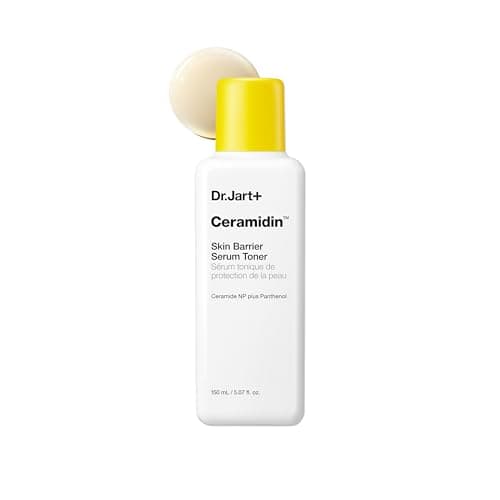
The clearest evidence that this is a marketing boundary rather than a chemical one is the Dr.Jart+ bottle ranked third above. On its own Amazon listing it is a Skin Barrier Repair Face Serum Toner— both words, on one product — and it is a 5.07 fl oz milky fluid, which is serum pricing at toner volume. We rank it as a serum on this site because that is how it behaves in a routine: you use a small amount with your hands rather than sweeping it on with a pad. But a reader standing in front of the shelf cannot resolve that from the label, and nobody should feel confused by it. The category boundary genuinely is blurry, and the brands know it.

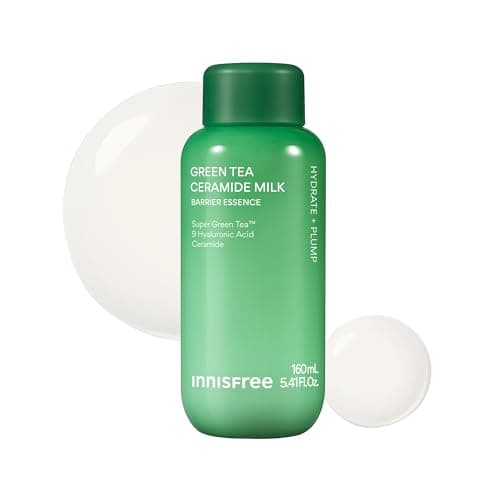
The same blur runs through the K-beauty “milky toner” and “essence” shelf, where the innisfree product above sits. It is labeled a milk barrier essence anda milky toner on the same listing. That is not deception — essence is a real and historically meaningful category in Korean routines — but it does mean the word on the bottle is a poor guide to what you are buying. The reliable guides are the volume, the price, and the ingredient order, which is what our ceramide label guide teaches you to read. If you want the format question settled specifically for Dr.Jart+, Dr.Jart+ cream vs serum handles that pairing directly.

What a toner is actually good at

Three things, all of them real:

  1. Volume over area. Nothing else in a face routine lets you cover your neck, chest and the backs of your hands without thinking about the cost. The cost-per-ounce figures above are the whole argument.
  2. Leaving skin damp for the next step. Every humectant you own works better on damp skin, and a toner is the most pleasant way to get there. Our layering guide for ceramides and hyaluronic acid is built around that one mechanic.
  3. Compliance. People use toners. The step is quick, it feels good, and it does not require a decision. A routine you follow beats a better routine you abandon, which is the same argument we make in how to simplify your skincare routine.

What a toner is not good at is lipid replacement. The StatPearls review of moisturizers separates the three jobs cleanly — humectant, emollient, occlusive — and a watery toner does the first competently, the second barely, and the third not at all. On a barrier that is genuinely impaired, the work on ceramide-enriched lipid mixtures restoring impaired barrier function is about creams. It is not about toners, and we are not going to imply otherwise.

What a serum is actually good at

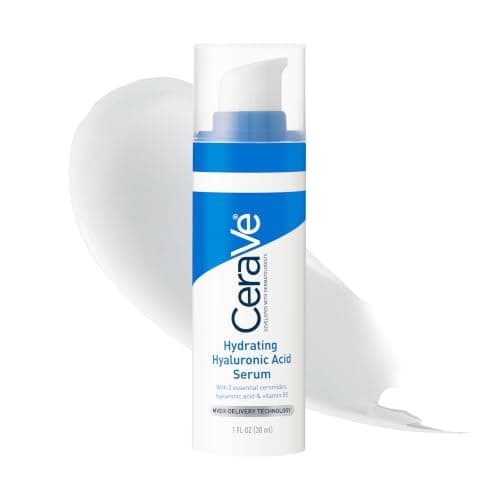
Concentration, and the ability to carry something a toner cannot. Every named-ceramide formula on this site is a serum or a cream, never a toner — the CeraVe serum above names ceramides 1, 3 and 6-II, where both toners name “ceramides” or a brand descriptor and stop. Niacinamide at a stated percentage, panthenol, and anything with a tolerance cost behind it also tend to live in the serum, because a serum is a controlled dose and a toner is not. The published work on niacinamide and stratum corneum structure is the clearest example of an ingredient whose dose you actually want to know.

A serum is also the only one of the two formats that survives the pared-back routine. If you cut your routine to three products, they are cleanser, moisturizer and sunscreen, and the fourth thing you add back is a serum, not a toner. That ordering is not a snobbery about toners — it is just where the active ingredient is.

The cost comparison, done honestly

Cost-per-ounce makes the toner look like an obvious win, and in one sense it is: the figures in the table above are pulled from the live listings and divided by the listed sizes, and the gap is large. But cost-per-ounce is the wrong denominator for this particular comparison, because you do not use the two formats in the same quantity. A serum dose is three or four drops. A toner dose is enough to wet a pad or fill a palm. Per use, the two formats land much closer together than the shelf price suggests, and the serum is delivering more ceramide in that smaller volume.

Which leaves the real answer: the toner is cheap hydration and cheap coverage, the serum is the ceramide purchase, and the honest recommendation to a reader on a budget is to buy the serum and skip the toner rather than the reverse. If you want the general version of that argument, we make it in do you need a toner with ceramides and in how much ceramide moisturizer to use, which is the same dose question from the other end.

Who should own both

A reader with a Korean-style routine, dry-to-normal skin and a neck and chest they moisturize properly. That person gets real value from a toner and real value from a serum, because the two are doing different jobs rather than competing. Our Korean ceramide moisturizer picks is the neighboring page for that routine shape, and where ceramides go in your routine is where the step order is settled.

Everyone else should pick one, and it should be the serum. Then put a cream over it — because whichever of these two you buy, the step that actually holds the water in is still the one after it.
The short answer

At a glance

#ProductCeramidesScorePrice
01
Anua Anua Rice Ceramide 7 Hydrating Barrier Serum

Dry skin that still gets oily by midday

Anua Rice Ceramide 7 Hydrating Barrier Serum

A K-beauty barrier serum built on rice-derived protein, ceramides and 3% niacinamide — the lightest finish of the picks that still claim real barrier support.

Ceramides + rice-derived RICERA 7+ complex
7.2
$22.00Amazon

$13.02/oz

02
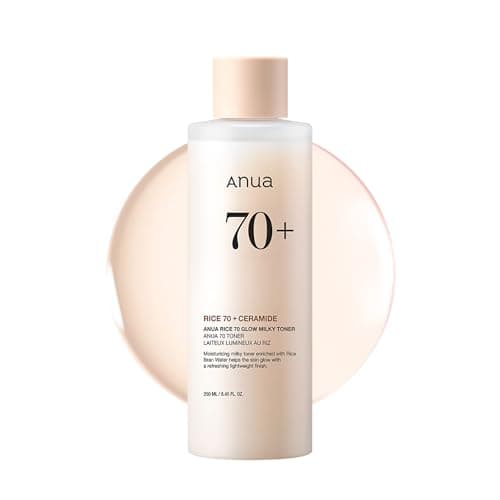
Anua Anua Rice 70 Glow Milky Toner

Daily hydration over a large area, cheaply

Anua Rice 70 Glow Milky Toner

A milky, non-comedogenic toner with rice water, niacinamide and ceramides in a bottle five times the size of a serum — the format to buy when what you need is volume, not concentration.

Ceramides (types not disclosed)
7.2
$20.90Amazon

$2.47/oz

03
Dr.Jart+ Dr.Jart+ Ceramidin Serum

Layering ceramides without added weight

Dr.Jart+ Ceramidin Serum

A milky ceramide serum that layers under a cream without weight — one of the few true ceramide serums worth the shelf space.

Ceramide NP
7.0
$33.60Amazon

$6.63/oz

04
innisfree innisfree Green Tea Ceramide Milk Barrier Essence

Replacing a hydrating serum with a bigger bottle

innisfree Green Tea Ceramide Milk Barrier Essence

A milky toner-essence built on a green tea ceramide with nine hyaluronic acid weights and niacinamide — the clearest case of a toner doing a hydrating serum's job at a toner's price.

Green tea ceramide (type not disclosed)
7.2
$24.00Amazon

$4.44/oz

05
CeraVe CeraVe Hyaluronic Acid Serum

Most dry skin, most of the time

CeraVe Hyaluronic Acid Serum

The default ceramide serum for dry skin: three named ceramides and CeraVe's highest hyaluronic acid concentration, in a fragrance-free gel that layers under anything.

Ceramides 1, 3, 6-II
8.0
$16.97Amazon

$16.97/oz

#ad · Live prices and cost-per-ounce from the Amazon Product API, as of October 25, 2026. Where we have no verified live price, we show none — a gap beats a number that has rotted.

In detail

The picks, in full

01
Anua Anua Rice Ceramide 7 Hydrating Barrier Serum

Dry skin that still gets oily by midday

Anua Rice Ceramide 7 Hydrating Barrier Serum

Ceramides: Ceramides + rice-derived RICERA 7+ complex

1.69 fl oz3% niacinamideCeramides + panthenolFragrance-free
7.2/10

A K-beauty barrier serum built on rice-derived protein, ceramides and 3% niacinamide — the lightest finish of the picks that still claim real barrier support.

Ceramide profile
6
Barrier support
7
Suitability
7
Formulation
9
Value
7

Pros

  • Combines ceramides with panthenol and 3% niacinamide, so the barrier support and the hydration come from three different mechanisms
  • Absorbs fast with an elastic, non-tacky finish — the listing pitches it as a makeup base and that is a fair description
  • Fragrance-free and non-comedogenic at a mid-range price for the bottle size

Cons

  • Niacinamide at 3% plus arbutin is more actives than some reactive skin wants in a barrier step
  • Ceramide types are not disclosed; the 7 in the name refers to the brand's rice complex, not seven ceramides

Don't buy this if…

…niacinamide does not agree with you, or you read the name as seven ceramide types — it is not. Our niacinamide-free picks are the better route in that case.

$22.00View on Amazon

≈ $13.02/oz

Price as of October 25, 2026. Prices change — Amazon's is the one that counts.

#ad · we may earn a commission from this link to Anua Rice Ceramide 7 Hydrating Barrier Serum

02
Anua Anua Rice 70 Glow Milky Toner

Daily hydration over a large area, cheaply

Anua Rice 70 Glow Milky Toner

Ceramides: Ceramides (types not disclosed)

8.45 fl ozRice water + niacinamideCeramidesFragrance-free
7.2/10

A milky, non-comedogenic toner with rice water, niacinamide and ceramides in a bottle five times the size of a serum — the format to buy when what you need is volume, not concentration.

Ceramide profile
5
Barrier support
6
Suitability
8
Formulation
8
Value
9

Pros

  • The cost-per-ounce is in a different universe from any serum on the site, because a toner bottle is built to be used by the handful
  • Fragrance-free and labeled non-comedogenic, which is unusual for a glow-marketed K-beauty toner
  • Milky rather than watery, so it leaves something behind instead of flash-evaporating

Cons

  • A toner is a dilute format by design: the ceramide content per application is lower than a serum's, and the listing does not quantify it
  • Ceramide types are not disclosed, and the headline ingredient on the label is rice water, not the lipid
  • Glow is the marketing promise, so the finish is dewy — the wrong finish under heavy makeup

Don't buy this if…

…you are buying one product to repair a damaged barrier. A toner is the cheapest layer in a routine and the least concentrated one; put the money into a cream first.

$20.90View on Amazon

≈ $2.47/oz

Price as of October 25, 2026. Prices change — Amazon's is the one that counts.

#ad · we may earn a commission from this link to Anua Rice 70 Glow Milky Toner

03
Dr.Jart+ Dr.Jart+ Ceramidin Serum

Layering ceramides without added weight

Dr.Jart+ Ceramidin Serum

Ceramides: Ceramide NP

5.07 ozCeramide NPMilky textureLayerable
7.0/10

A milky ceramide serum that layers under a cream without weight — one of the few true ceramide serums worth the shelf space.

Ceramide profile
7
Barrier support
6
Suitability
7
Formulation
8
Value
7

Pros

  • One of the few serum-format products built around a ceramide: ceramide NP with panthenol and glycerin
  • Milky, watery texture layers cleanly under a moisturizer or sunscreen
  • Generous bottle size for a serum, which helps the cost-per-ounce

Cons

  • A serum this light will not out-repair a proper ceramide cream on its own
  • Lists a single ceramide type; the five-ceramide complex is in the Ceramidin cream, not this serum
  • Contains denatured alcohol and small amounts of geranium, bergamot and sage oils, so patch test it if your skin is reactive
  • Premium price for what is, functionally, a hydrating layer

Don't buy this if…

…you have dry or compromised skin and want one product to fix it. A serum is a layering step — pair it with a cream, or skip straight to the cream if you only buy one thing.

$33.60View on Amazon

$42.0020% off≈ $6.63/oz

Price as of October 25, 2026. Prices change — Amazon's is the one that counts.

#ad · we may earn a commission from this link to Dr.Jart+ Ceramidin Serum

Read our full Dr.Jart+ Ceramidin Serum review →
04
innisfree innisfree Green Tea Ceramide Milk Barrier Essence

Replacing a hydrating serum with a bigger bottle

innisfree Green Tea Ceramide Milk Barrier Essence

Ceramides: Green tea ceramide (type not disclosed)

160 mlGreen tea ceramide9 hyaluronic acidsNiacinamide
7.2/10

A milky toner-essence built on a green tea ceramide with nine hyaluronic acid weights and niacinamide — the clearest case of a toner doing a hydrating serum's job at a toner's price.

Ceramide profile
5
Barrier support
6
Suitability
8
Formulation
8
Value
9

Pros

  • Nine hyaluronic acid molecular weights plus niacinamide is a real hydration formula, not a splash of water with a claim on it
  • The milky texture sinks in without the tack a pure humectant serum leaves behind
  • At 160 ml it costs roughly what a one-ounce serum costs, which is the whole argument for the toner format

Cons

  • Green tea ceramide is a brand descriptor rather than a named ceramide type, so the disclosure is weaker than CeraVe's
  • An essence is still mostly water: on properly dry skin it needs a cream over it or the hydration leaves again
  • Marketed for glow, so the finish is dewy rather than matte

Don't buy this if…

…you want the most ceramide per application you can buy. A 160 ml bottle is volume, not concentration — a serum or a cream wins that comparison every time.

$24.00View on Amazon

≈ $4.44/oz

Price as of October 25, 2026. Prices change — Amazon's is the one that counts.

#ad · we may earn a commission from this link to innisfree Green Tea Ceramide Milk Barrier Essence

05
CeraVe CeraVe Hyaluronic Acid Serum

Most dry skin, most of the time

CeraVe Hyaluronic Acid Serum

Ceramides: Ceramides 1, 3, 6-II

1 ozCeramides 1·3·6-IIVitamin B5Fragrance-free
8.0/10

The default ceramide serum for dry skin: three named ceramides and CeraVe's highest hyaluronic acid concentration, in a fragrance-free gel that layers under anything.

Ceramide profile
8
Barrier support
7
Suitability
9
Formulation
8
Value
8

Pros

  • Names the same three ceramides as the rest of the CeraVe range, so you are not guessing what the lipid content is
  • The listing calls it CeraVe's highest hyaluronic acid concentration, and the gel texture disappears under a cream or sunscreen
  • Fragrance-free, with MVE delivery and panthenol — nothing in it fights reactive skin

Cons

  • It is a hydrating layer, not a repair cream; on genuinely dry skin it needs a moisturizer over the top
  • One ounce is small next to the big-tub CeraVe creams, so the cost-per-ounce looks worse than the brand's usual value

Don't buy this if…

…you only want to buy one product. A serum this light will not hold moisture in on its own — put the money into a ceramide cream first and add this later.

$16.97View on Amazon

$22.9926% off≈ $16.97/oz

Price as of October 25, 2026. Prices change — Amazon's is the one that counts.

#ad · we may earn a commission from this link to CeraVe Hyaluronic Acid Serum

How we picked

We do not run a testing lab

Everyone in this category claims a lab and a testing count. We do not have one, and we will not pretend to. What we do instead: read every INCI list and record the actual ceramide types each formula discloses, note whether it pairs them with cholesterol and fatty acids, and compute the cost-per-ounce from the live price — then score each product against a published rubric. The scores are judgments from that documented research, not measurements we took. Where a claim comes from the manufacturer, we say so and cite it in Sources.

Frequently asked

Questions people actually ask

Is a ceramide toner the same as a ceramide serum?

No, though the labels overlap badly. A toner is a high-volume, low-concentration format meant to be used by the handful; a serum is a low-volume, higher-concentration format meant to be dosed in drops. One product on this page is literally sold as a “serum toner,” which tells you how soft the boundary is. Judge by the volume, the price per ounce and the ingredient order rather than by the word on the bottle.

Can a ceramide toner replace a ceramide serum?

For hydration, often yes. For barrier repair, not really — you are delivering less lipid per application, and no toner on the US market names its ceramide types the way the better serums do. If your skin is oily or normal and comfortable, a toner is a reasonable substitute. If it is dry or compromised, read the dry-skin serum page, which argues for a cream over either format.

Which goes on first, toner or serum?

Toner first, then serum, then moisturizer — thinnest to thickest, with each layer going onto skin that is still slightly damp from the last. What order to apply skincare products has the full sequence including sunscreen and actives.

Do I need a toner at all?

No. Modern toners are optional hydration steps, not the astringent pH-correctors the word used to mean. They are nice, they improve compliance, and they are the cheapest way to cover a large area — none of which makes them necessary. We answer this directly in do you need a toner with ceramides.

Why do ceramide toners never name their ceramide types?

Partly because the amounts are small enough that a named list would invite comparison the product would lose, and partly because the brands marketing toners tend to lead with a botanical — rice water, green tea — rather than the lipid. Neither toner on this page names a type; the CeraVe serum names three. That asymmetry is consistent across the category and it is one of the more useful things to know when you are reading a label.

Keep reading

Show your work

Sources