No, not directly — and anyone telling you a ceramide cream clears acne is overselling a moisturizer. Ceramides are barrier lipids. They do not kill Cutibacterium acnes, do not reduce sebum production and do not unclog a pore. What they do is the thing that quietly decides whether an acne routine succeeds: they make the treatments that do work tolerable enough to keep using. The single most common reason people abandon a retinoid or benzoyl peroxide is the dryness, flaking and stinging that arrive in week two, and a ceramide layer is the standard answer to it.
There is a second, narrower way ceramides matter here, and it is worth stating carefully because it gets exaggerated. Skin with a compromised barrier is more reactive and more inflamed, and inflamed acne tends to leave more marking behind. Supporting the barrier can therefore make a breakout calmer and the aftermath less visible. That is a comfort-and- appearance claim, not a treatment claim, and we are not going to inflate it into one.
What ceramides do and do not do for acne
- Do: reduce the dryness, tightness and flaking caused by retinoids, adapalene, benzoyl peroxide and salicylic acid.
- Do: let you stay on an active for the months it actually needs, which is the difference between a routine that works and one that does not.
- Do: calm the general reactivity and stinging that comes with a leaky barrier.
- Do not: clear existing acne, prevent new spots, or reduce how much oil you make.
- Do not:treat fungal acne, which is a different organism and a different ingredient screen — see fungal-acne-safe ceramides.
What to look for in a ceramide product for acne-prone skin
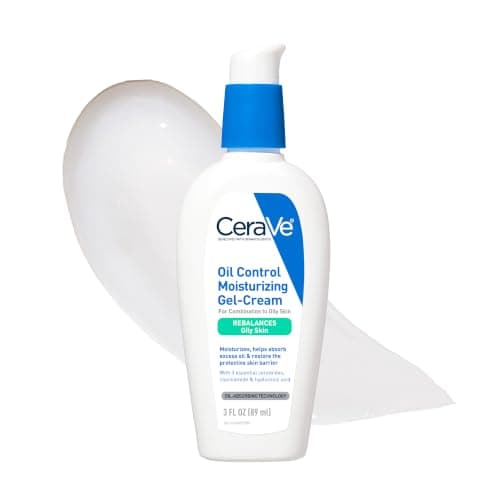
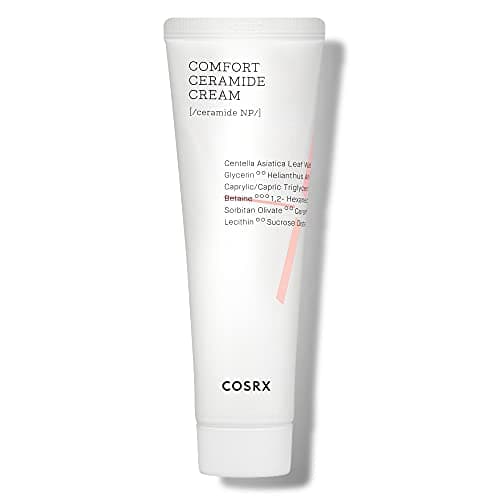
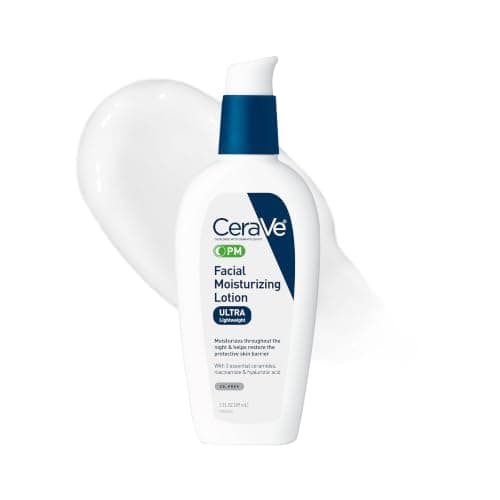
The ceramide count is the least important variable here. What decides it is whether the formula is thin enough to layer and clean enough not to add a problem:
- Oil-free and labeled non-comedogenic. Neither phrase is regulated, but both correlate with the light-ester-and-silicone emollient systems that acne-prone skin tolerates better than heavy plant butters.
- Fragrance-free. Skin being pushed by an active does not need a second irritant.
- Thin enough to go over a treatment. If it pills or rolls under sunscreen you will stop using it. See why your moisturizer pills.
- Niacinamide is a useful extra — the published work on niacinamide and stratum corneum hydration is why it appears in two of the three picks below, and it has its own record on oil balance.
The three picks below are the registry products that pass that filter. The full ranking, including the one ceramide serum we demote for its alcohol and essential-oil content, is on best ceramide serums for acne-prone skin.
How to use ceramides alongside an acne treatment
- Cleanse gently — once at night for most people.
- Apply the acne active to dry skin and let it absorb properly. Rushing this is what causes pilling; see how long to wait between skincare steps.
- Ceramide layer over the top. Barrier products go last in the treat-then-protect order described in where ceramides go in your routine.
- Morning: ceramide layer, then sunscreen. Both are non-negotiable on a retinoid.
- If skin is raw, pause the active for three or four nights and use only the ceramide step. The recovery timeline is in how long it takes to repair a skin barrier.
Will a ceramide moisturizer break me out?
Ceramides are not a recognised comedogenic ingredient, and the lipid they resemble is one your own skin manufactures. When a ceramide product does trigger congestion it is almost always the rest of the formula — richness, heavy occlusives, fragrance — or simply using a cream thick enough to trap everything beneath it. The detailed version of that argument is in do ceramides clog pores, and the purging-versus-breaking-out distinction is in can ceramides cause purging.
What changes in the first six weeks
The reason a ceramide step belongs in an acne routine is easiest to see on a timeline, because the two products move on completely different schedules.
- Week one: the active is doing little visible good and no visible harm. Nothing to report either way.
- Weeks two and three: this is where routines die. Dryness, tightness, flaking around the nose and mouth, makeup refusing to sit. This is the barrier, not the acne, and it is the point at which most people either halve their frequency or stop. A ceramide layer applied from day one is the difference between an uncomfortable fortnight and an abandoned tube.
- Weeks four to six: the active starts earning its place, and the people still using it are the ones who stayed comfortable enough to keep going.
That is the whole contribution, and it is not a small one — adherence is the variable that decides whether an acne treatment works, and comfort is what drives adherence. Nothing about this requires the ceramide product to touch the acne itself. The barrier-side timeline, separately, is in how long ceramides take to work.
The one case where the barrier is the main event
Some people arrive at a dermatologist convinced they have acne and leave with a barrier diagnosis instead: small bumps, congestion-looking texture, redness and sensitivity that appeared after a period of aggressive cleansing or exfoliating. That is over-exfoliation, not acne, and it does not respond to more treatment — it responds to stopping. The symptom list is in signs of a damaged skin barrier and the route out is how to repair over-exfoliated skin. In that specific scenario, a ceramide cream genuinely is the treatment.
When to see a dermatologist instead
Cystic or nodular acne, scarring, or acne that has not responded to several months of consistent over-the-counter treatment is a prescription conversation, not a moisturizer conversation. Nothing on this page is a substitute for that, and a ceramide cream bought instead of a dermatology appointment is money spent on the wrong thing.