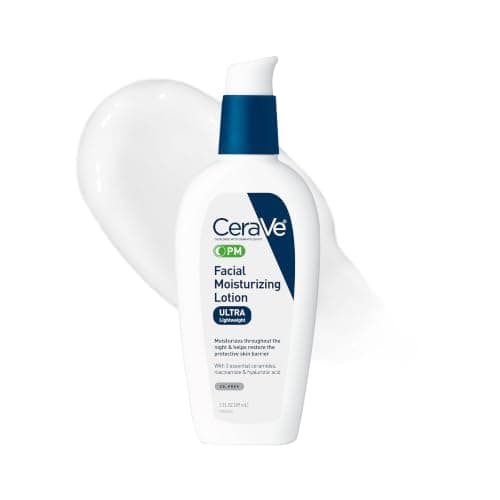
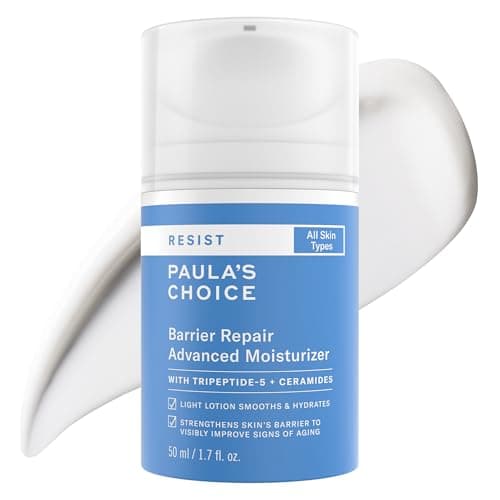
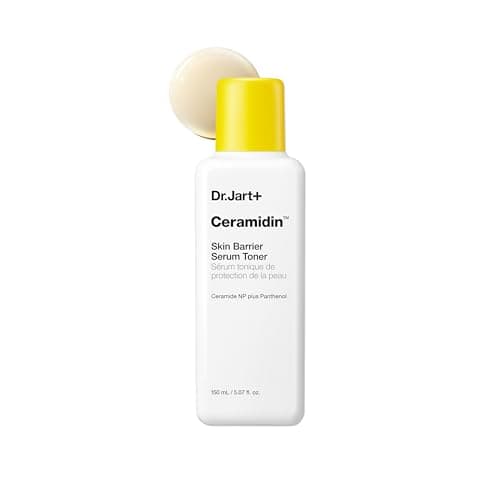
These two serums are sold next to each other and do unrelated jobs. A ceramide serum restocks the barrier lipids that hold water in your skin; a vitamin C serum is an antioxidant treatment aimed at tone, dullness and environmental damage. Neither replaces the other, so the real question is which you buy first— and that has an answer rather than a preference. If your skin is currently tight, flaking, reactive, or stinging when products go on, buy the ceramide step first and leave vitamin C for a few weeks. If your skin is comfortable and your complaint is tone or dullness, vitamin C is the product that will actually change what you see.
One honest disclosure before the picks: this site covers ceramide and barrier products, so we do not maintain a registry of vitamin C serums and we are not going to invent picks for one. The products ranked below are the ceramide side of the matchup only. Where we say something about vitamin C, it is about the categoryand how it interacts with a barrier routine — which is the part of the decision we can actually help with.
What each one is for
A ceramide serumdelivers barrier lipids. Cleveland Clinic's overview of what ceramides do is the plain-English version: they are part of the mortar between your skin cells, and topping them up is how you reduce water loss and the tightness, flaking and sensitivity that come with it. The effect is structural and it builds over weeks.
A vitamin C serumis a treatment active. It is bought for brightness, tone and antioxidant protection, not for comfort, and it is one of the actives most likely to sting on skin whose barrier is not intact — which is the single most useful thing to know when choosing between the two. A barrier in poor shape is more permeable, and more permeable skin feels actives more sharply.
Which to buy first
- Buy ceramides first if your skin feels tight after cleansing, flakes, looks red in patches, stings when products go on, or you have recently over-exfoliated. Those are barrier signals, listed in full on signs of a damaged skin barrier. Vitamin C on that skin is a bad week waiting to happen.
- Buy vitamin C first if your skin is comfortable, you are already using a moisturizer you like, and your complaint is tone, dullness or sun damage. Ceramides will not change pigmentation, and we will not pretend otherwise.
- Buy a ceramide cream rather than a ceramide serum if you are only buying one barrier product. The format argument is on ceramide serum vs cream.
Why this pairing gets blamed for stinging
A specific complaint turns up constantly: someone adds a vitamin C serum, their skin starts stinging, and they conclude the vitamin C is too strong for them. Usually it is not the strength — it is that the barrier was already compromised before the serum arrived, and a more permeable barrier simply lets more of any active through, faster. The tell is whether other products started stinging too. If plain moisturizer or sunscreen also prickles, the problem is the barrier and the vitamin C is just the thing that made it obvious. Repairing first and reintroducing the serum two or three weeks later very often works where the same serum at the same strength did not before, which is the single most useful thing this comparison has to offer. Whether a ceramide product itself should ever sting is covered in is it normal for a ceramide moisturizer to sting.
Using both together
They layer cleanly, and this is the common end state: vitamin C in the morning, the ceramide step over it, then sunscreen. The ordering principle is treat-then-protect — the active goes on first, the barrier layer goes over the top, exactly as it does with a retinoid. The detail, including what to do if the vitamin C stings through the ceramide layer, is in ceramides and vitamin C together. If you are also running niacinamide, the pairing chart in the skincare ingredient pairing chart covers all three at once.
A two-question test for which you need right now
Ask yourself two things, in this order, and the answer falls out.
- Does your skin sting, flake or feel tight at any point in the day? If yes, the barrier is the limiting factor and a ceramide step is the purchase. Adding an antioxidant treatment to skin in that state typically produces a fortnight of stinging followed by an abandoned bottle, which is the most expensive outcome available.
- If no — is your complaint tone, dullness or sun damage? If yes, vitamin C, because ceramides have no mechanism for any of those. If your complaint is instead dryness, texture or sensitivity, you are back to the first answer.
The useful thing about that order is that it is seasonal rather than permanent. Plenty of people need the barrier product in February and the antioxidant in June, and swapping the emphasis twice a year is a more sensible routine than running both at full strength all year. The seasonal version of that argument is in the seasonal ceramide routine, and the winter-specific swaps are in how to winterize your skincare routine.
What a ceramide serum will not do
It will not brighten pigmentation, fade post-acne marks or act as an antioxidant. Those are vitamin C's jobs and a ceramide product does not compete for them. What ceramides reliably change is how comfortable and how hydrated your skin is, how well it tolerates the actives you want to use, and how quickly it recovers from the things that damage it. If you were hoping for a brightening effect from the barrier side of the shelf, the honest answer is on do ceramides help with dark spots.
The verdict
If your skin is uncomfortable, ceramides first — a comfortable barrier is what makes every other active tolerable, and buying the treatment before the foundation is how people end up abandoning both. If your skin is comfortable and tone is the goal, vitamin C first, with a ceramide moisturizer over it rather than a ceramide serum. The ceramide side of this matchup is ranked above with live prices; the vitamin C side is a category we do not cover, and a page that invented picks for it would be worth less to you than this sentence.