Hub 05 · Ceramides 101
Do Ceramide Products Expire? How to Store Them
Ceramide moisturizers do have a shelf life. How to read the period-after-opening symbol, store away from heat, light, and air, and spot a formula that has turned.
#ad Ceramide Club is reader-supported. If you buy through our links we may earn a commission, at no cost to you — it never changes our verdict. How this works.
Yes — ceramide products expire, like any skincare. There are really two clocks running: an unopened shelf life, and a shorter countdown that starts the moment you open the container and expose the formula to air, fingers, and light. The good news is that storing them well is simple, and a few sensible habits keep a ceramide moisturizer working the way it should for its full usable life. Here is how to read the labels, store the product, and tell when it is time to let one go.
Ceramides themselves are lipids — the same class of fats your skin barrier is built from, as Cleveland Clinic's overview of what ceramides do explains — and like other lipids they can slowly degrade over time, especially when exposed to heat, light, and air. The whole point of good storage is keeping those three enemies away from your formula for as long as possible.
Reading the period-after-opening symbol
Flip almost any moisturizer over and you will find a small icon of an open jar with a number followed by the letter M — something like 12M or 24M. That is the period-after-opening, or PAO, symbol, and it tells you how many months the manufacturer considers the product good for once you have opened it. A 12M symbol means roughly twelve months of usable life from first opening. It is a practical guideline, not a precise deadline, but it is the single most useful marking on the package. Some products also print a separate hard expiry or “best before” date; when both exist, respect whichever comes first.
Unopened shelf life is longer
Sealed and unopened, a ceramide product generally keeps considerably longer than its period-after-opening window, because it has not yet been exposed to air or the small amounts of bacteria that come with daily use. That is why buying a sensible amount and rotating through it beats stockpiling a dozen jars that will sit half-used past their prime. If you do keep a backup, store the unopened one somewhere cool and dark, and only start the opened-product clock when you actually break the seal.
Keep products away from heat, light, and air
These three are what actually age a formula. Heatspeeds up the chemical breakdown of ingredients and can cause an emulsion to separate — which is exactly why a steamy bathroom windowsill or a sunny car is one of the worst places to keep skincare. Light, especially direct sunlight, degrades light-sensitive ingredients over time, which is part of why so many products come in opaque or tinted packaging. And air drives oxidation, the same process that turns oils rancid. The clinical overview of how moisturizers are formulated describes these products as emulsions of water and oil held together with preservatives and stabilizers — a balance that heat and air can gradually undo. A cool, dark, dry cupboard, away from the shower steam, is close to ideal. Keep the lid on tightly, and do not decant a product into some prettier open dish.
Jar versus pump: packaging is a hygiene decision
How a product is packaged has a real effect on how well it keeps. An airless pump is the gold standard: the formula sits in a sealed reservoir that dispenses without letting much air back in, and your fingers never touch what is still inside. A tube is nearly as good, since you squeeze out only what you need and little air gets in. A wide-mouth jaris the least hygienic option, because every time you dip a finger in you introduce air and bacteria to the whole remaining product, and the big open surface is exposed to air with each use. Jars are not disqualifying — plenty of excellent creams come in them — but they ask more of you. If you use one, scoop with a clean spatula or clean, dry fingers, and close it promptly.
Signs a ceramide product has gone off
Your senses are a reliable early-warning system. Stop using a product and replace it if you notice any of these:
- Smell.A formula that has turned often smells “off” — sour, rancid, or metallic, or simply different from how it smelled when new. A rancid, oil-gone-bad odor is the classic tell that the lipids have oxidized.
- Color. Yellowing, darkening, or any noticeable color shift suggests oxidation or degradation.
- Separation or texture change. If a once-smooth cream has split into watery and oily layers, gone grainy, thin, or clumpy, the emulsion has broken down.
- The PAO or expiry has clearly passed. Even if it looks fine, a product used well past its opened window is worth retiring, especially anything you put near your eyes.
A degraded product will not necessarily harm you, but it will not perform as intended, and an irritated barrier is the last thing you want to feed a formula that has turned.
Does refrigerating skincare help?
Sometimes, modestly — and it is optional, not a requirement. A cool, stable temperature can slow down the degradation that heat accelerates, and some people simply like the calming, de-puffing feel of a chilled moisturizer. But a dedicated skincare fridge is a nice-to-have, not a need, and it comes with a caveat: repeatedly moving a product between cold storage and a warm bathroom can cause condensation and, for some emulsions, encourage separation. If you want to refrigerate, keep the product consistently cool rather than shuttling it back and forth, and know that a cupboard away from heat and light already does most of the job. Do not freeze skincare — that can wreck the texture outright.
Everyday habits that make a product last
Storage is mostly small, repeatable habits. Close lids fully and promptly. Keep products out of the direct line of the shower and off sunny sills. Use clean, dry hands or a spatula with jars. Do not leave a moisturizer baking in a hot car or a beach bag. Buy sizes you will realistically finish within the opened window rather than hoarding. And if you like tracking it, a small dot of marker with the date you opened something takes the guesswork out of the PAO math later. None of this is fussy — it is just the difference between a product that works to the last scoop and one that quietly turns halfway through. For more on what belongs in a well-kept routine, see our guide to products with ceramides.
Do the ceramides themselves go rancid?
It is a reasonable worry, since ceramides are lipids and lipids are exactly the sort of ingredient that can oxidize over time — the same basic process that turns a cooking oil rancid. In a well-made, well-preserved product stored properly, that degradation is slow, which is what the period-after-opening window is built around. The practical takeaway is not to panic about it but to respect the conditions that speed it up: heat and air are what accelerate lipid oxidation, so a tightly closed container kept somewhere cool and dark is doing the real protective work. This is also a quiet argument for buying a size you will actually finish. A jar that lingers open on a warm shelf for two years has had far more opportunity to turn than one you use up in a few months, whatever the label promises. Fresh, well stored, and finished on time beats hoarded every time.
The short version
Ceramide products do expire — check the period-after-opening symbol for how long a formula lasts once opened, and store it away from heat, light, and air to reach that full life. Favor pumps and tubes over jars for hygiene, use clean hands, and trust your senses: any sour smell, color shift, or separation means it is time to replace it. Refrigeration can help a little but is optional. Treat your ceramide moisturizer well and it will treat your barrier well right down to the last of the tube.
Also worth having · under $40
The small stuff that makes this easier
Two of the habits above cost almost nothing to fix. If your cream lives in a wide-mouth jar, a spatula ends the finger-dipping; if you keep decanting into whatever is handy, a sealing container stops the formula meeting more air than it has to.
None of it repairs a barrier — the moisturizer does that. These are cheap conveniences that make the routine easier to actually keep up.
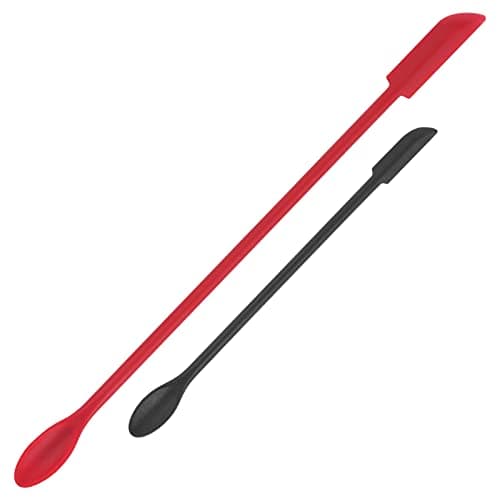
Cuttte Mini Silicone Skincare Spatula Set
2-piece set
A jar is the least hygienic format there is, because every dip puts a finger and a fresh dose of air into the whole remaining product. A spatula is the cheapest way to stop doing that.
$4.99View on Amazon#ad · price as of Sep 14, 2026, and it may change
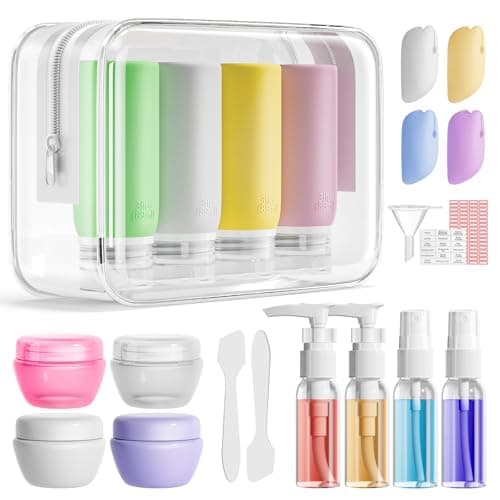
Muslish Leak-Proof Silicone Travel Bottle Set
21 pieces, TSA-approved sizes
Decanting a big tub beats buying a tiny premium mini at four times the cost per ounce. Squeezable silicone also survives a pressure change better than a rigid bottle.
One caveat. Decant into something that seals. A cream left in an open pot degrades faster.
$8.99View on Amazon#ad · price as of Sep 14, 2026, and it may change
Amazon links, so we may earn a commission at no cost to you — see the affiliate disclosure. We were not given any of these, and nothing here changed which products won this page.
Frequently asked
Questions people actually ask
How long do ceramide products last after opening?
Check the period-after-opening symbol — the little open-jar icon with a number and an M, such as 12M for about twelve months. That is the manufacturer's guideline for usable life once the product is opened. Unopened, it generally keeps longer.
How can I tell if my moisturizer has gone bad?
Trust your senses. A sour, rancid, or simply different smell, any yellowing or color change, or a texture that has separated, gone grainy, or split into layers all mean the formula has degraded. When in doubt, replace it — especially for anything used near the eyes.
Should I keep my ceramide moisturizer in the fridge?
You can, but you do not have to. A cool, stable temperature can slow degradation and feels nice, but a cupboard away from heat and light does most of the job. Avoid shuttling products between cold and warm repeatedly, which can cause condensation or separation, and never freeze skincare.
Is a jar or a pump better for keeping a product fresh?
An airless pump or a tube keeps a formula fresher, because less air and fewer fingers reach what is still inside. Jars expose the whole product to air and bacteria with each dip. Jars are fine if you use a clean spatula or clean, dry fingers and close them promptly.
Keep reading
Related on Ceramide Club
- Best ceramide moisturizersFormulas worth storing well and using to the last scoop.
- Products with ceramidesWhat belongs in a well-kept ceramide routine.
- What are ceramides?The barrier lipids behind the products, in plain terms.
- How often to use a ceramide moisturizerUse it enough to finish it within the opened window.
Show your work