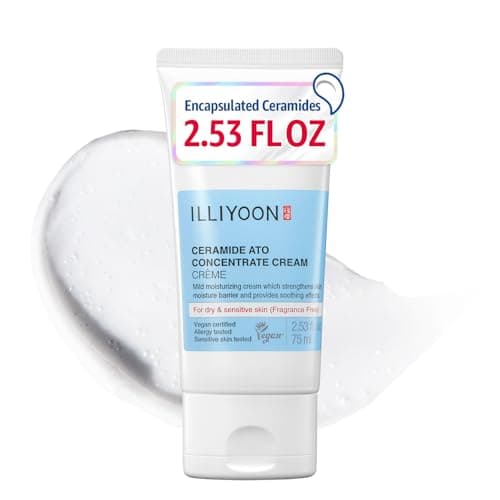
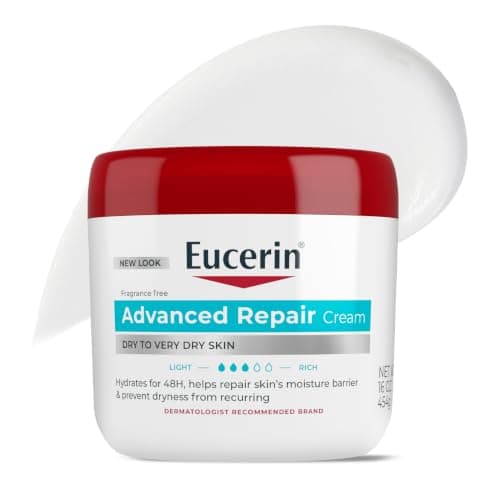
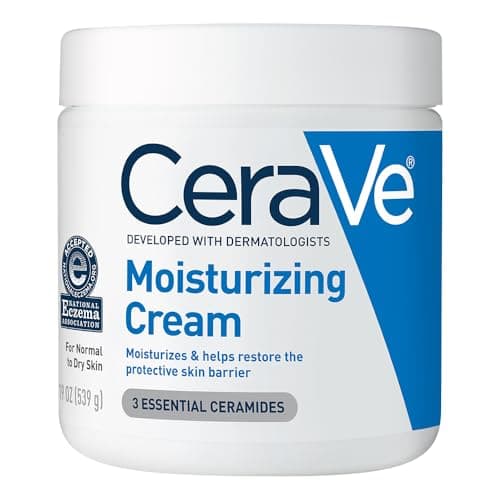
Winter dryness is rarely caused by one dramatic thing. It is a season of small, reasonable-looking decisions — a longer hot shower because the house is cold, a scrub because you can see flakes, skipping sunscreen because the sun is weak, buying four new products at once because your skin is unhappy — that add up to a barrier under more pressure than the weather alone would apply. This page is the list of those habits, why each one backfires, and the unglamorous change that fixes it. The picks below are the richer creams the season actually calls for, ranked as always on the ceramide types they disclose and their live cost-per-ounce.
The mechanism behind all of this is in does cold weather damage your skin barrier, and the positive version of this page — what to change rather than what to stop — is how to winterize your skincare routine.
Mistake 1: hotter, longer showers
The most understandable one and the most costly. Hot water removes barrier lipids efficiently, and a cold house makes a twenty-minute hot shower very appealing. Lukewarm and shorter, then moisturizing within a minute on damp skin, undoes most winter body dryness on its own. Detail in ceramides and hot showers.
Mistake 2: exfoliating the flakes off
Flaking in winter is usually a sign that the barrier is depleted, not that dead skin needs removing. Scrubbing or acid-ing it away removes more of what is left and guarantees a worse round next week. The flakes stop when the barrier is holding water again, which takes consistent moisturizing rather than sanding. If you have already gone too far, follow how to repair over-exfoliated skin.
Mistake 3: dropping sunscreen
Winter sun is weaker, not absent, and snow reflects a meaningful amount of it back at your face. This is the single most common winter routine change and one of the least defensible. Keep it, over the moisturizer, as covered in ceramides and sunscreen.
Mistake 4: replacing the whole routine at once
When skin gets unhappy, the instinct is to change everything. Then something stings and you have no idea which of the five new things did it. Change one product at a time, a week apart, exactly as you would introduce anything else — the method is in how to patch test a new moisturizer.
Mistake 5: under-applying the moisturizer you already own
Most people apply far too little, and winter is when that shows. Before buying a richer cream, try using twice as much of the one you have, twice a day, on damp skin. A large tub at a low cost-per-ounce makes that easy, which is most of why the big drugstore formats keep winning our value comparisons.
Mistake 6: treating a humidifier as the whole answer
It is genuinely useful and it is environmental support, not barrier repair. Running one while washing in hot water and skipping moisturizer will not get you anywhere. Measure the room first — see the best humidity level for skin— then use it alongside a ceramide cream rather than instead of one.
Mistake 7: piling actives on stressed skin
A retinoid and acid schedule that worked in summer can be too much in January, because the weather is already spending part of your skin's irritation budget. Reduce frequency for the season. What can share a night is mapped in our ingredient pairing chart.
The honest limit
Everything above is cosmetic and behavioral. Ceramide creams hydrate and support the barrier; they do not treat conditions, and winter has a habit of aggravating ones that already exist. Skin that cracks, bleeds, itches badly or stays inflamed through a gentle routine belongs with a doctor or dermatologist rather than another product change.