Hub 05 · Ceramides 101
Do Humidifiers Help Dry Skin?
Dry indoor air, especially in winter, pulls water out of skin - so yes, a humidifier helps, and dermatologists suggest it. But it supports a ceramide routine, it does not replace one. How to use it.
#ad Ceramide Club is reader-supported. If you buy through our links we may earn a commission, at no cost to you — it never changes our verdict. How this works.
Yes, a humidifier can genuinely help dry skin, and it is one of the few environmental fixes with real logic behind it. Dry air — especially heated indoor air in winter — is thirsty: it pulls water out of your skin faster, which is a big reason skin turns tight and flaky in the colder months. Adding moisture back to the air slows that water loss, so skin stays more comfortable. Dermatologists routinely list a humidifier among their dry-skin tips for exactly this reason. The important caveat is scope: a humidifier changes your environment, it does not repair your barrier. It works best as a supporting player alongside a ceramide moisturizer that actually seals the skin, not as a replacement for one. Think of it as making the air less hostile while your topical routine does the sealing.
It is a low-effort addition with a decent payoff in the right conditions. Let us look at why dry air dries skin, what a humidifier does and does not do, and how to get the most from one.
Why dry air dries out skin
Skin constantly loses a little water to the air, and how fast depends partly on how dry the surrounding air is. Cold, heated indoor air holds very little moisture, so it draws water out of the skin more aggressively — and if the barrier is already short on the lipids that seal it, as Cleveland Clinic's overview of what ceramides do describes, that loss is worse. It is why so many people find their skin gets tight, flaky, and reactive in winter, and why the seasonal ceramide routine shifts richer for the cold months. A humidifier attacks this from the environmental side by keeping the air less parched.
What a humidifier does and does not do
A humidifier raises the moisture level of the air around you, which reduces how quickly your skin loses water — helpful for tight, dry winter skin, dry lips, and comfort while you sleep. The American Academy of Dermatology includes running a humidifier among its dry-skin tips. What it does not do is reseal the barrier or replace the lipids the skin is missing — only a topical moisturizer does that. So a humidifier makes the conditions kinder, but if the barrier itself is depleted, you still need the ceramide moisturizer to rebuild it. The two work together: less water pulled out by the air, more sealed in by the cream.
How to use one well
- Run it where you spend time.The bedroom overnight is the classic choice — hours of drier air is when a lot of moisture loss happens.
- Aim for comfortable, not tropical. A moderate indoor humidity is the goal; you do not need to fog up the room. Too much moisture can encourage mold, so do not overdo it.
- Keep it clean. Empty and clean it regularly per the instructions so it is not spraying stale water into the air.
- Still moisturize.Pair it with a ceramide moisturizer on damp skin — the humidifier reduces loss, the cream does the sealing and lipid repair.
Keep it in proportion
A humidifier is a nice supporting tool, not a cure. If your skin is very dry, cracked, itchy, or patchy, the moisturizer, gentle cleansing, and — if it persists — a dermatologist matter far more than the air. It earns its place most in dry climates and heated winter homes, and least where the air is already humid. Buy one if dry indoor air is clearly part of your problem; do not expect it to do the barrier repair a ceramide routine is for.
The short version
Humidifiers help dry skin because dry indoor air pulls water out of the skin, and adding moisture back slows that loss — dermatologists recommend one among their dry-skin tips. But it changes your environment, not your barrier: it supports a ceramide moisturizer, it does not replace it. Run it where you sleep, keep it clean and moderate, and still moisturize on damp skin. Most useful in dry, heated winter air; least useful where it is already humid.
Also worth having · under $40
The small stuff that makes this easier
“Comfortable, not tropical” is hard to hit blind, and a humidifier is the expensive half of this fix. Ten dollars of readout tells you whether your air is genuinely dry before you spend anything else, and whether the unit you already own is doing anything.
None of it repairs a barrier — the moisturizer does that. These are cheap conveniences that make the routine easier to actually keep up.
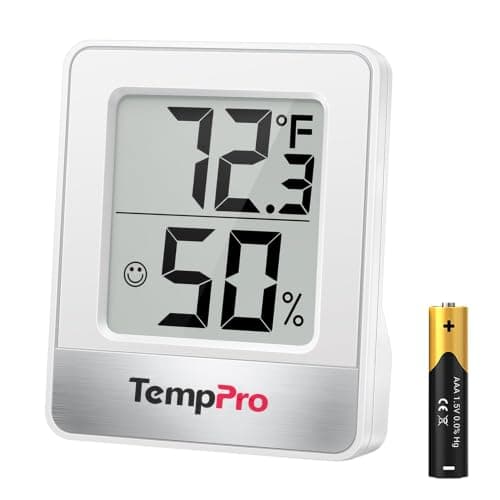
TempPro TP49 Digital Hygrometer
Single unit
We compute cost-per-ounce rather than calling something expensive, and this is the same idea applied to your room: a $9 readout tells you whether the air is actually dry before you buy a humidifier to fix it.
$8.99View on Amazon#ad · price as of Sep 14, 2026, and it may change
Amazon links, so we may earn a commission at no cost to you — see the affiliate disclosure. We were not given any of these, and nothing here changed which products won this page.
Frequently asked
Questions people actually ask
Do humidifiers actually help dry skin?
Yes, especially in dry, heated indoor air. Dry air pulls water out of skin faster; a humidifier adds moisture back and slows that loss, easing tight, flaky winter skin. Dermatologists list it among dry-skin tips — just pair it with a ceramide moisturizer, which does the actual sealing.
Can a humidifier replace moisturizer?
No. A humidifier makes the air less drying, but it does not reseal the barrier or replace the lipids dry skin is missing — only a topical moisturizer does that. Use it to support a ceramide routine, not instead of one.
Where should I run a humidifier for my skin?
The bedroom overnight is the usual choice, since hours in drier air is when a lot of moisture loss happens. Aim for comfortable humidity rather than a foggy room, keep the unit clean, and moisturize on damp skin as well.
Is a humidifier worth it for dry skin?
In dry climates and heated winter homes, yes — it is a low-effort way to reduce water loss. Where the air is already humid it does little. Either way it supports, rather than substitutes for, a ceramide moisturizer and gentle cleansing.
Keep reading
Related on Ceramide Club
- The seasonal ceramide routineAdjusting the routine for cold, dry air.
- Does air conditioning dry out your skin?The dry-indoor-air problem a humidifier answers.
- Does drinking water help dry skin?The internal-vs-topical hydration question.
- Best ceramide moisturizers for winterThe richer picks for cold-weather dryness.
- What is transepidermal water loss?The water-loss mechanism a humidifier slows.
Show your work