Yes, in the way that matters cosmetically — and no, in the way the word “plumping” is usually sold. Ceramides do not add volume to your skin. They are not a filler, they do not build collagen, and they do not swell tissue. What they do is reduce how much water escapes through the surface, and skin that holds onto its water looks fuller, feels softer and shows fine lines less. That is a genuine, visible effect. It is also a hydration effect with a ceiling: once your skin is holding its water normally, more ceramide does not keep making it plumper.
The mechanism is worth understanding because it tells you what to expect and when. Water leaves skin continuously through the stratum corneum — the process explained in transepidermal water loss. The lipids between your skin cells, roughly half of which are ceramides, are what slow it down. Cleveland Clinic's summary of what ceramides do is the short version. Top the lipids up and the water stays; the skin above it sits slightly fuller as a result.
What “plumping” honestly means here
- Real: smoother surface texture, softer feel, fine dehydration lines looking shallower, less of that tight, drawn look late in the day.
- Real but temporary: the immediate post-application effect, which is mostly the humectants in the formula pulling water into the surface. It fades and reappears with each use.
- Real and slower: the cumulative improvement in how well skin holds water on its own, which builds over two to four weeks of consistent use.
- Not real: added volume, filled wrinkles, lifted contours or new collagen. Different category of product entirely.
What to look for if a fuller look is the goal
Three things separate a formula that visibly improves how full skin looks from one that merely contains ceramides:
- Humectants alongside the lipids. Glycerin or hyaluronic acid pull water in; the ceramides keep it there. The work on lipid ratios and barrier recovery is about the lipid half, but the visible plumping needs both halves.
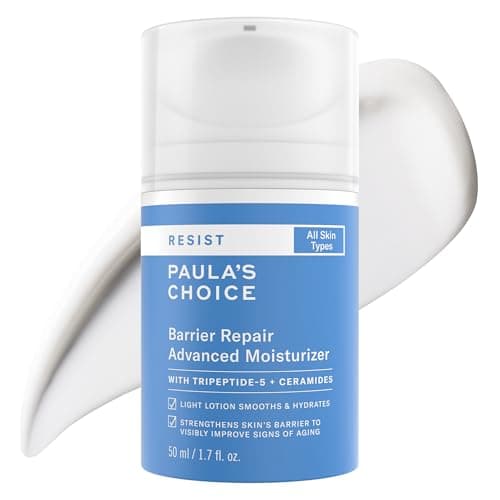
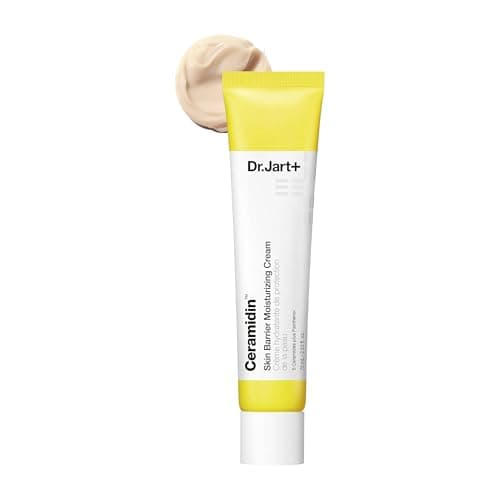
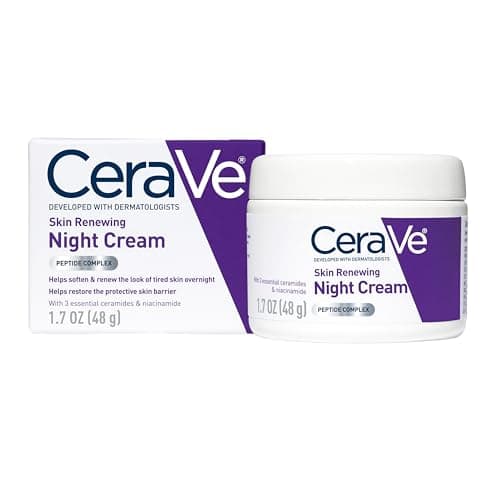
- A richer texture, for this particular goal. The thin lotions that suit oily skin are excellent barrier products and less visibly plumping. All three picks below are creams for that reason.
- Peptides as a bonus, not a reason.Two of the picks carry them. They are a firmness play with weaker evidence than the hydration mechanism doing most of the work here — see ceramides vs peptides vs niacinamide.
- Enough product to apply generously. Under-application is the most common reason this effect disappoints; the amount is in how much ceramide moisturizer to use.
How to get the most of the effect
- Apply to slightly damp skin. There is more water available to hold, and the difference is noticeable.
- Use more than feels necessary, and press rather than rub it in.
- Pair it with a humectant layer if your skin is dehydrated rather than dry — the order is in how to layer ceramides and hyaluronic acid.
- Twice a day for a month before judging it. The immediate effect is the humectants; the real one takes weeks.
- Address the things actively drying you out in parallel: hot water, long showers, low indoor humidity. The AAD's dry skin guidance covers them, and the best humidity level for skin has the number.
Dehydrated or dry? The answer changes the product
Skin that is dehydrated is short of water; skin that is dry is short of oil. Both look flatter than they should and both improve with a ceramide cream, but dehydrated skin responds faster and more dramatically to the humectant-plus-ceramide combination, while dry skin needs the richer, more occlusive end of the shelf. Which one you are is diagnosable in about a minute using ceramides for dehydrated skin, and the ranked picks for each are on the dehydrated skin page and the dry skin page.
Morning fullness and evening fullness are different things
A detail that explains a lot of confusion about whether a product “works”: the plumping you see twenty minutes after applying a cream and the plumping you see at 6pm are produced by different halves of the formula. The immediate effect is humectant-driven — glycerin and hyaluronic acid pulling water toward the surface — and it is real but shallow, and it fades as that water leaves again. The effect that is still there at the end of the day is the lipid half doing its job: fewer escape routes, so the water you started with is still in place. That is why judging a ceramide cream on how your skin looks immediately after application tells you almost nothing about it, and why the useful comparison is how your skin looks and feels late in the day, a fortnight in. It also explains the common complaint that a hydrating serum feels better on application than a ceramide cream does and yet leaves skin tighter by afternoon — that is the humectant half working without the lipid half behind it, covered in why skin feels dry after moisturizing.
Where the ceiling is
This is the part most pages leave out. Once your barrier is holding water normally, adding more ceramide product does not keep increasing fullness — you have taken the hydration variable off the table, and what remains is volume loss, laxity and structural change, which no moisturizer addresses. If you have been using a good ceramide cream consistently for a couple of months and want more than it has given you, the honest next step is a retinoid, a professional treatment or acceptance, not a more expensive moisturizer. What ceramides do and do not do for lines is set out in do ceramides help wrinkles.
The verdict
Ceramides make skin look plumper, by keeping water in rather than by adding anything. The effect is real, visible within a few weeks, best in a richer cream applied generously to damp skin, and capped at the point where your barrier is simply working properly. That is a better deal than it sounds — most people are nowhere near the ceiling — but it is not the filler-in-a-jar the word implies, and we would rather you buy it knowing which one you are getting.