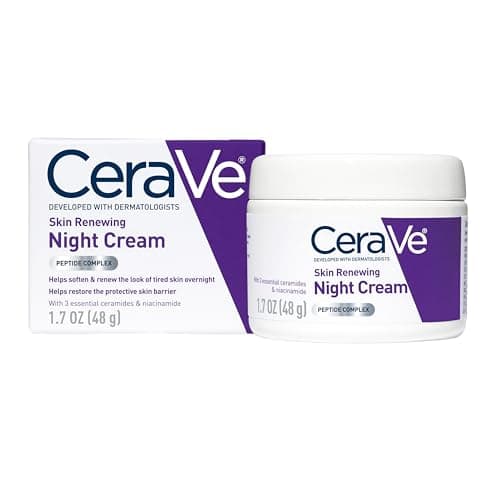
If you are buying one of the three, buy ceramides. All three sit on the same barrier-repair shelf and get marketed in near-identical language, but they are doing different work: ceramides arethe barrier lipid, so applying them replaces something your skin is measurably short of; niacinamide supports your skin's own lipid production and helps with oil balance and tone; peptides are a firmness and signalling play with the loosest connection to barrier repair of the three. That order — ceramides, then niacinamide, then peptides — is also the order of how directly each one addresses the complaint that usually brings people to this shelf: skin that feels tight, flaky and uncomfortable.
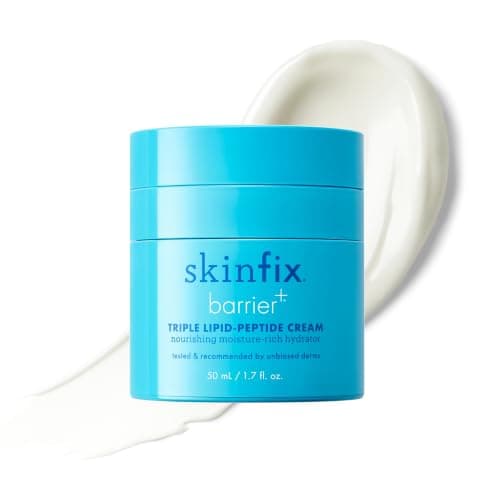
The good news is that you rarely have to choose. Two of the four products ranked above carry two of the three, and the Skinfix cream carries all three. The useful question is therefore not which ingredient wins but which combination you should pay for, and that is what the rest of this page is.
What each one actually does
Ceramidesare roughly half the lipid content of the stratum corneum by weight, and applying them tops up what is depleted. The barrier-recovery evidence is about ceramides delivered with cholesterol and fatty acids in a workable ratio — the study on optimal ratios of topical stratum corneum lipids is the usual citation — which is why the formula that includes all three outranks the ones that do not. Direct replacement of a missing component; the most mechanical of the three.
Niacinamide works upstream instead. The published work on niacinamide and stratum corneum hydration and structure is why it keeps appearing in barrier formulas: it supports the skin's own production of barrier lipids rather than supplying them. It also has a genuine record on oil balance and tone, which ceramides do not. Slower, broader, and the one most likely to irritate at high percentages.
Peptidesare short amino-acid chains sold as signalling ingredients, most often for firmness. They are the weakest of the three on barrier repair specifically and the most variable in the evidence, because “peptide” covers dozens of unrelated molecules. We treat a peptide in a ceramide cream as a bonus rather than a reason to buy, and we price it that way.
Which to buy if you only buy one
- Skin feels tight, flaky, stings at products — ceramides. The whole moisturizer hub is this answer, ranked.
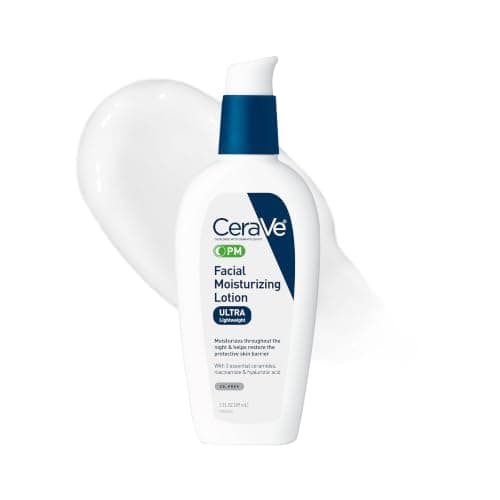
- Oily, congested, uneven tone— niacinamide, in a ceramide base. The CeraVe PM lotion is the cheap version of exactly that combination.
- Lines and loss of firmness, barrier otherwise fine— peptides, but understand you are buying the softest claim of the three. What ceramides will and will not do for wrinkles is on do ceramides help wrinkles.
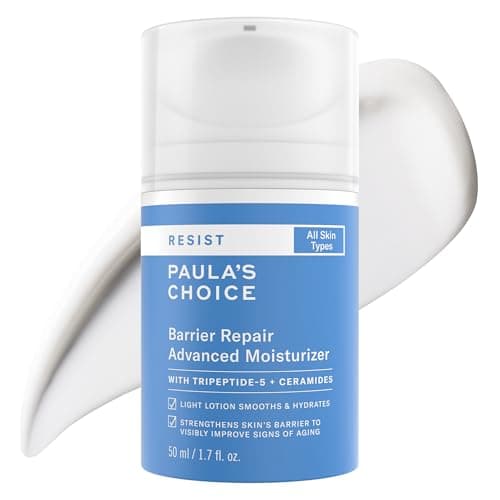
- You genuinely cannot decide— buy a ceramide cream that happens to contain the other two and stop optimising. That is the Skinfix pick, or the Paula's Choice cream for five named ceramides plus a peptide.
Can you use all three together?
Yes. None of the three conflicts with the others, and most products that contain two of them put them in the same formula on purpose. The one real caution is niacinamide tolerance: a minority of people react to it, which is why we maintain the best ceramide products without niacinamide. Stacking peptides, ceramides and niacinamide from three separate products is possible but usually pointless — you add cost and steps for a combination one cream already delivers. If you want the full compatibility map, it is in the skincare ingredient pairing chart.
How to tell which one your routine is missing
Rather than reasoning about mechanisms, read your own symptoms. Each of the three has a characteristic gap it leaves behind.
- Missing ceramides looks like tightness after cleansing, flaking that appears in patches, products that have started to sting when they never used to, and skin that feels worse in winter or on a plane. That is water loss, and it is the most common gap by a wide margin. The checklist is on signs of a damaged skin barrier.
- Missing niacinamide is harder to read, because its effects are slower and less dramatic. The usual tells are visible pores, oil that returns within a couple of hours, and uneven tone on skin that is otherwise comfortable.
- Missing peptidesis not really a symptom at all, which is itself informative. If your skin is comfortable, even-toned and your remaining complaint is firmness, you have reached the tier where peptides are the sensible next spend — and a retinoid is still the better-evidenced option at that point.
What the price buys you
The cost-per-ounce column above tells this story better than prose can, but the shape of it is: niacinamide is cheap and ubiquitous, ceramides are cheap in three-type drugstore form and expensive when paired with cholesterol and fatty acids, and peptides are the thing premium barrier creams charge the most for on the least evidence. The honest ladder is a fragrance-free three-ceramide cream at the bottom, a ceramide-plus-niacinamide lotion beside it, and the complete-trio-plus-peptide creams at the top for skin that is genuinely struggling. Our picks for each rung are on the budget page and the barrier repair page.
The other ingredients that end up on this shortlist
These three are the ones most often weighed against each other, but the barrier shelf is crowded and several other ingredients get pitched as doing the same job. Worth knowing which do and which do not. The genuine barrier-adjacent ones are phytosphingosine, a ceramide precursor that appears in several of our top picks, and fatty alcohols, which are emollients rather than the irritants their name suggests. The soothing tier — allantoin, bisabolol and aloe vera— calms skin without restocking it, which is a real but different benefit. The oils — avocado, rosehip and mineral oil— seal and soften, which overlaps with part of what a ceramide cream does. And the novelty tier — ectoin, snail mucin, amino acids, probiotics and vitamin E— is where the claims most outrun the evidence. The one to actively watch is lactic acid, which depletes barrier lipids rather than supplying them.
The verdict
Ceramides, then niacinamide, then peptides — in that order of how directly each one addresses an uncomfortable barrier. For most people the sensible purchase is a single ceramide cream that also contains niacinamide, which costs very little and covers two of the three. Buy the peptide tier when the barrier is already handled and firmness is the remaining complaint, not instead of handling the barrier. The two 1:1 versions of this comparison are on ceramides vs peptides and ceramides vs niacinamide.