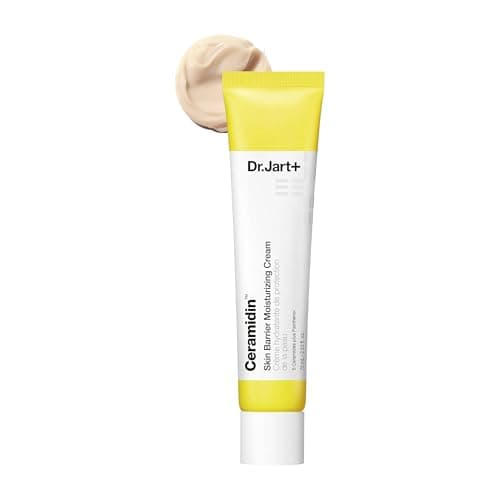
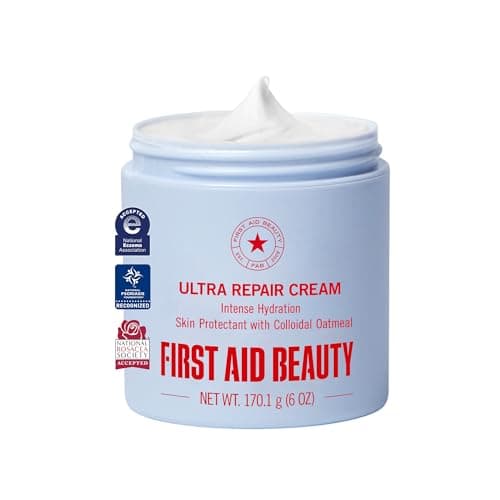
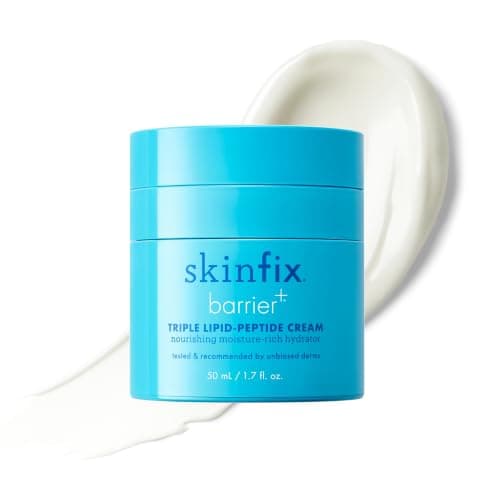
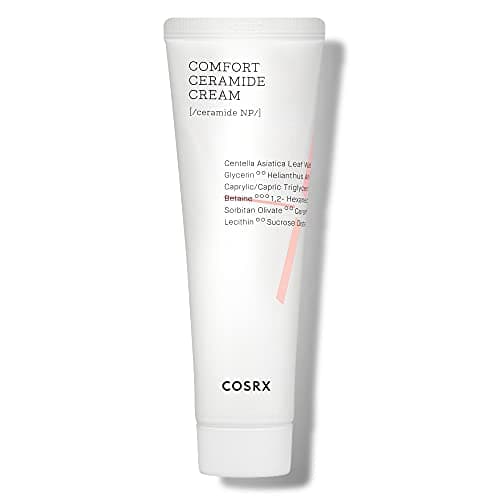
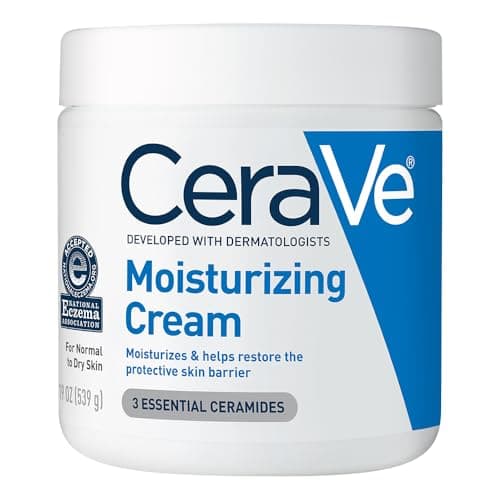
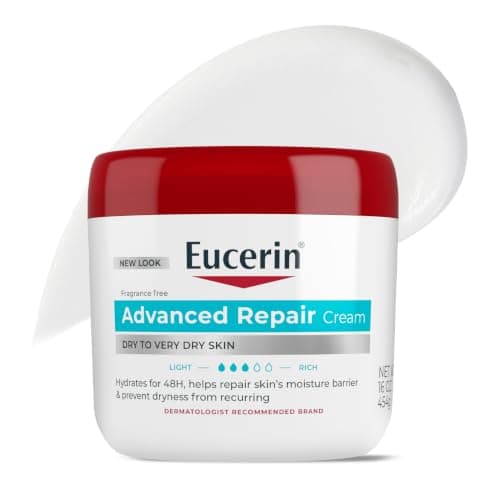
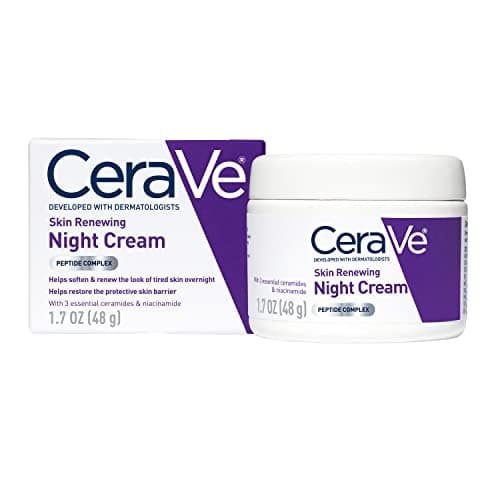
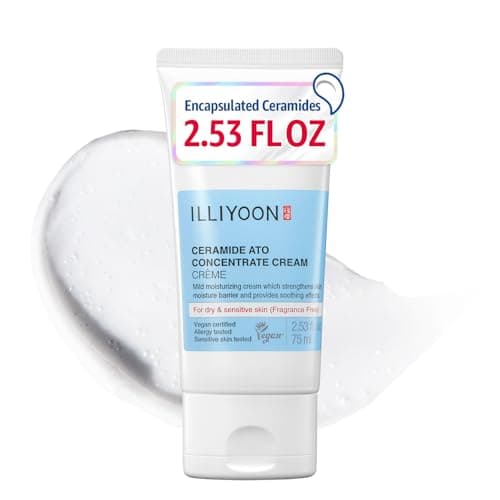
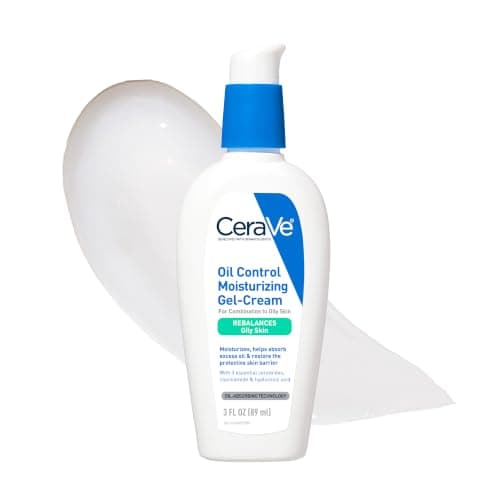
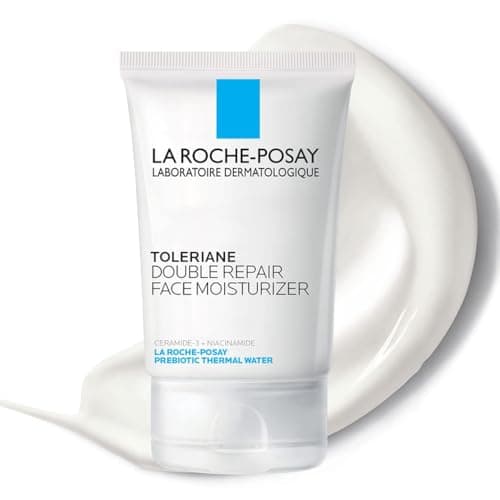
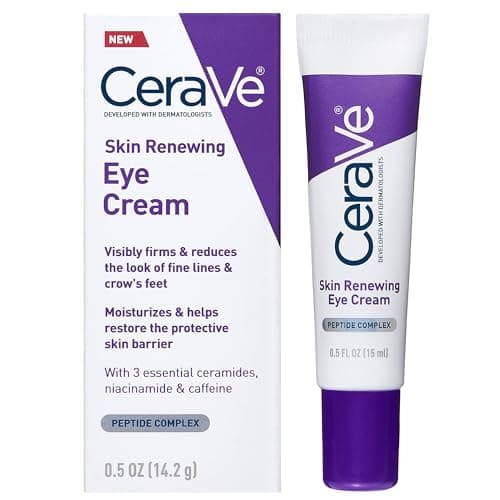
This hub is the heavy end of the shelf. Where our ceramide moisturizers hub covers the light daily lotions you wear under sunscreen, this one is for the thick, cushiony creams you reach for when the barrier is already in trouble — winter flaking, a retinoid that went too hard, eczema-prone patches, or skin that just drinks everything and asks for more.
A richer cream is not automatically a better one. The occlusive feel comes mostly from the oils, butters, and film-formers, and a cream can be gloriously thick while carrying barely any ceramides at all. So we do the same thing we do everywhere: list the ceramide types each formula actually discloses, flag whether it pairs them with cholesterol and fatty acids, and compute the cost-per-ounce. A $12 tub and a $90 jar can contain the same three ceramides — and when they do, we tell you.
The category splits cleanly by job. Barrier-repair creams (fragrance-free, trio-forward) are the safest default for reactive skin. Overnight creams lean richer and often add a humectant or mild active, so they are a night step rather than an all-day one. Hand and body-targeted creams trade elegance for staying power. And a growing slice of the shelf pairs the lipids with a firmness claim — the best ceramide creams with peptides ranks the ones that credibly contain both. We map each pick to its job so you are not buying a face cream to fix your knuckles.
The most common mistake here is buying up. A more expensive cream feels like insurance, but for a damaged barrier the boring fragrance-free drugstore tub is usually the correct answer, and the money is better spent on a second jar for your hands. Start with the roundup below, or if a specific concern is driving you here, jump to the barrier-science guide on how ceramides repair the skin barrier.
How to choose a ceramide cream
Rich does not mean effective
The occlusive, luxurious feel of a cream comes mostly from oils, butters, and film-formers — a jar can be gloriously thick and carry barely any ceramides. So read past the texture to the ingredient list. The best creams here disclose several ceramides, and the technically strongest (Skinfix) includes the full ceramide-cholesterol-fatty-acid trio the barrier actually uses, a point grounded in the classic lipid-ratio research.
Match the cream to the job
Barrier-repair creams (fragrance-free, trio-forward) are the safest default for reactive or eczema-prone skin — see the eczema picks. Overnight creams lean richer and often add a humectant or mild active, so they are a night step rather than an all-day one — the night picks cover those. And if you are here despite having oily skin, the matte, oil-free end of the category is ranked separately in the best ceramide creams for oily skin. For the thinnest skin on your face, the eye-sized versions of these formulas are ranked in the best ceramide eye creams.
The value truth
The most common mistake in this hub is buying up. A more expensive cream feels like insurance, but for a damaged barrier a fragrance-free drugstore tub is usually the correct answer, and the money is better spent on a second jar for your hands. That is why a K-beauty value pick and a drugstore tub both outrank several luxury jars here.