Comparison
Comparison
Ceramides vs Niacinamide
Niacinamide boosts your skin's own ceramide synthesis, so this pair works better together than apart.
Hub 06 · Compare
Straight comparisons of ceramides against the ingredients they get shelved next to — what each actually does, when to pick which, and whether you can just use both.
“Ceramides vs. peptides.” “Ceramides or niacinamide?” These are some of the most-searched skincare questions, and most of the answers online are written by a brand that happens to sell one of the two. This hub answers them straight, because we do not manufacture anything — we just want you to buy the right thing, which is very often both.
The reason these ingredients get compared is that people treat them as competitors when they mostly do different jobs. Ceramides are structural: they are part of the mortar that holds your skin barrier together. Peptides are signaling ingredients. Niacinamide is a multitasker. Hyaluronic acid is a humectant that holds water. Retinol is a renewal active. Asking “ceramides or retinol” is a bit like asking “seatbelt or engine” — they are not on the same axis.
So each comparison here does three things: explains what the two ingredients actually do, says plainly when one is the better single choice, and — most importantly — tells you whether they layer, because usually the honest answer is “use both, in this order.” Every comparison links back to the product roundup for the ceramide side, so you can go from “I understand the difference” to “here is what to buy” in one click.
Start with the one that brought you here — ceramides vs. peptides is the most common — or browse the full set below. For the underlying science that all of these draw on, the what-are-ceramides guide is the foundation.
Three of these pages answer a buying question rather than an ingredient question, and they are the ones to read if you have not chosen a product yet: ceramide skincare brands compared ranks seven brands on nothing but what each one actually publishes about its ceramides, ceramide serum vs cream settles the format decision, and ceramides vs peptides vs niacinamide is the three-way for anyone deciding which of the barrier-shelf ingredients to pay for first.
Beyond the headline matchups, the set goes deep on the ingredients that get shelved beside ceramides without doing the same job. The soothers — allantoin, aloe vera and bisabolol — calm skin without restocking it. The oils and emollients — avocado oil, rosehip oil, mineral oil and fatty alcohols — soften and seal, which is adjacent to what ceramides do and not the same thing. And the hydration-and-novelty tier — ectoin, snail mucin, amino acids and probiotics — is where the marketing is loudest and the mechanisms are most often overstated.
Three more are worth singling out because they are the ones most often mistaken for ceramides outright: phytosphingosine is a genuine ceramide precursor and appears in several of our top picks, vitamin E is an antioxidant that gets filed as a barrier ingredient because it is oil-soluble, and lactic acid is the one on this list that actively depletes barrier lipids, which makes the pairing question a real one rather than an academic one.
Start here
Ceramides repair the barrier; peptides signal your skin to firm. Different jobs, so use both.
Read the guide →
Everything in this hub
Comparison
Niacinamide boosts your skin's own ceramide synthesis, so this pair works better together than apart.
Comparison
Hyaluronic acid holds water, ceramides seal it in — pair them and layer HA first.
Comparison
Ceramides buffer retinol's irritation, so you can keep renewing skin without wrecking the barrier.
Comparison
Ceramides rebuild the barrier; squalane softens and seals. Different jobs, and they layer beautifully.
Comparison
Ceramides rebuild the barrier; collagen is the firmness protein. Different jobs — and topical collagen is oversold.
Comparison
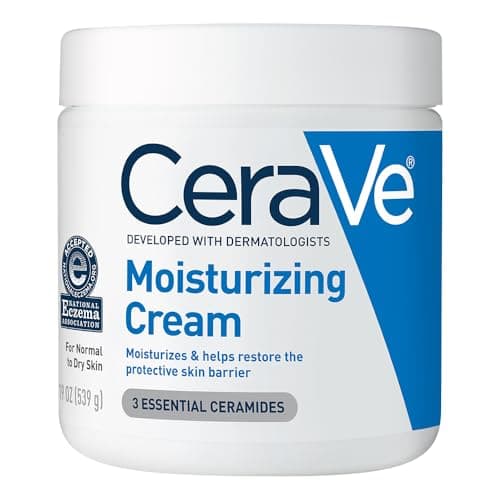
CeraVe Moisturizing Cream vs La Roche-Posay Toleriane — ceramide count and value versus a gel-cream for reactive skin. Who each one is for.
Comparison
Cream, lotion, serum, or balm — the same ceramides in four textures. Which format to buy for your skin type and season.
Comparison
Ceramides rebuild the barrier; shea butter seals and softens the surface. Different jobs, so layer both.
Comparison
Petroleum jelly seals water in; ceramides rebuild the barrier. The strongest move is to use both.
Comparison
Glycerin draws water into skin; ceramides seal it in and rebuild the barrier. Teammates, not rivals.
Comparison
Snail mucin hydrates and adds glow; ceramides rebuild the barrier. Layer both for comfort and structure.
Comparison
Ceramides and cholesterol are two of the skin's three barrier lipids. The full trio beats either alone.
Comparison
Panthenol soothes and hydrates the surface; ceramides rebuild the barrier. Complementary, so layer both.
Comparison
Centella (cica) calms redness and irritation; ceramides rebuild the barrier. Different jobs, so use both.
Comparison
Urea hydrates and smooths rough, scaly skin; ceramides seal and rebuild the barrier. Complementary, so pair both.
Comparison
Colloidal oatmeal calms itch and inflammation; ceramides rebuild the barrier. Allies on itchy skin, so use both.
Comparison
Dimethicone smooths and seals the surface; ceramides rebuild the barrier. Different jobs, so use both.
Comparison
Lanolin richly seals water in; ceramides rebuild the barrier. Different jobs - layer both, with a lanolin allergy caveat.
Comparison
Fatty acids are the third barrier lipid, alongside ceramides and cholesterol. Complementary, not competing - use both.
Comparison
Coconut oil seals and softens but can clog some skin; ceramides rebuild the barrier. Different jobs, with a comedogenicity caveat.
Comparison
Jojoba is a light, sebum-mimicking emollient that softens and soothes; ceramides rebuild the barrier. Different jobs, so use both.
Comparison
Mineral oil is a safe, inert occlusive that seals in moisture but adds no barrier lipids; ceramides rebuild the wall. Use both.
Comparison
Aloe vera calms and hydrates but is mostly water and evaporates without a seal; ceramides rebuild the barrier. Use both.
Comparison
Vitamin E is an antioxidant and emollient that softens skin and protects formulas; ceramides rebuild the barrier. Complementary, so use both.
Comparison
Ceramides are the barrier's structural lipid; argan oil is a nourishing emollient that softens and adds slip. Complementary, not competing - ceramides for barrier repair, argan for conditioning.
Comparison
Cocoa butter is a rich occlusive-emollient that seals and softens, especially on the body; ceramides rebuild the barrier's structure. Complementary - ceramides to repair, cocoa butter to seal dry skin.
Comparison
Beeswax is a protective occlusive that shields and seals, common in balms and lip care; ceramides rebuild the barrier's structure. Complementary jobs - and beeswax, being animal-derived, is not vegan.
Comparison
Allantoin is a gentle soothing, skin-conditioning ingredient that calms and smooths; ceramides rebuild the barrier's structure. Complementary - allantoin to comfort, ceramides to repair, and they pair well.
Comparison
Fatty alcohols like cetyl and stearyl alcohol are gentle emollients and texture-builders, not the drying alcohols people fear; ceramides rebuild the barrier. Complementary - they routinely appear together in the same moisturizer.
Comparison
Phytosphingosine is a sphingoid base - a building block related to ceramides - while ceramides are the finished barrier lipid. Closely related and often listed together; here is how each contributes.
Comparison
Polyglutamic acid is a humectant that pulls water into the skin - often marketed as a stronger hyaluronic acid - while ceramides are the barrier lipid that seals it in. Complementary, not competing.
Comparison
Beta-glucan is a soothing, water-binding ingredient prized for calming and hydrating; ceramides are the barrier lipid that seals and repairs. Complementary, especially on sensitive skin - here is how each helps.
Comparison
Amino acids are part of the skin's natural moisturizing factor - humectants that help skin hold water - while ceramides are the barrier lipid that seals it in. Different roles in the same barrier; they pair well.
Comparison
Bakuchiol is a plant-derived ingredient marketed as a gentle natural retinol alternative - a renewal active - while ceramides are the barrier lipid that seals and repairs. Complementary, not competing; here is how each helps.
Comparison
Sunflower seed oil is a lightweight plant oil rich in linoleic acid, reputed to be barrier-supportive; ceramides are the structural barrier lipid that seals and repairs. The oil complements ceramides rather than replacing them.
Comparison
Ectoin is a protective, water-binding extremolyte used for hydration and to help skin resist environmental stress; ceramides are the sealing barrier lipid. Complementary - ectoin hydrates and shields, ceramides seal and repair.
Comparison
Lactic acid is an AHA that gently exfoliates and has a humectant side; ceramides are the barrier lipid that seals and repairs. Not really a head-to-head - the acid does its work while ceramides support the barrier.
Comparison
Probiotic and microbiome skincare (ferments, prebiotics, postbiotics) is a soothing, supportive angle; ceramides are the structural repair lipid that seals the barrier. Complementary - a promising soother, not a barrier-lipid replacement.
Comparison
Marula oil is a lightweight plant oil rich in fatty acids and antioxidants that adds emollience; ceramides are the structural barrier lipid that seals and repairs. The oil complements ceramides rather than replacing them.
Comparison
Avocado oil is a rich, heavier emollient plant oil high in fatty acids - a good finishing layer for dry skin - while ceramides are the structural barrier lipid that seals and repairs. Complementary, not a swap.
Comparison
Rosehip oil is a popular fatty-acid-rich plant oil reputed to help the look and tone of skin; ceramides are the structural barrier lipid that seals and repairs. The oil is an emollient companion, not a barrier lipid.
Comparison
Bisabolol is a soothing ingredient derived from chamomile that calms the surface; ceramides are the structural repair lipid that seals the barrier. Complementary - bisabolol soothes, ceramides repair.
Comparison
Tremella (snow mushroom) is a humectant that binds and holds water, much like hyaluronic acid; ceramides are the sealing barrier lipid. Complementary - tremella adds water, ceramides seal it in.
Comparison
CeraVe Moisturizing Cream vs Daily Lotion — identical ceramide blend, two textures. Which format fits your skin and season.
Comparison
CeraVe Moisturizing Cream vs Illiyoon Ceramide Ato — Western drugstore value against Korea's best-selling barrier cream. Which wins for your skin.
Comparison
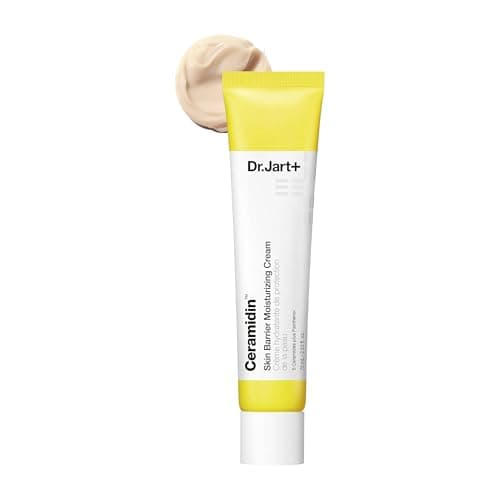
Dr.Jart+ Ceramidin Cream vs CeraVe Moisturizing Cream — premium five-ceramide texture against unbeatable drugstore value. What you pay for.
Comparison
CeraVe vs Cetaphil — one is ceramide-led, the other a gentle classic that mostly isn't. Which drugstore moisturizer actually repairs the barrier.
Comparison
CeraVe Moisturizing Cream vs Eucerin Advanced Repair Cream — three ceramides against ceramide-3-plus-urea. Which drugstore tub to buy.
Comparison
CeraVe Moisturizing Cream vs First Aid Beauty Ultra Repair Cream — three-ceramide value against an oatmeal soother for itchy skin.
Comparison
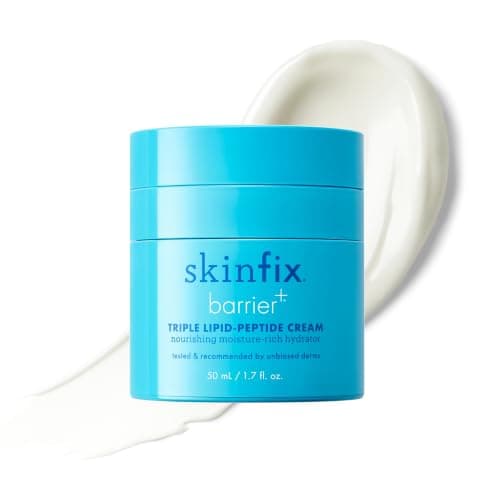
Skinfix Triple Lipid-Peptide Cream vs CeraVe Moisturizing Cream — the full barrier-lipid trio plus peptides against three-ceramide drugstore value.
Top pick · Skinfix Barrier+ Triple Lipid-Peptide Cream
$54.00View on Amazon#ad · $31.76/oz · price may change
Comparison
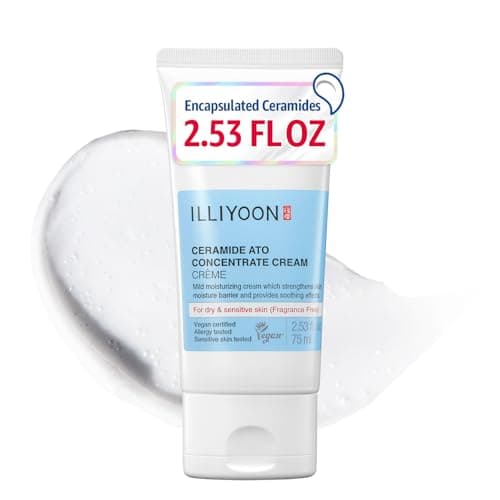
Illiyoon Ceramide Ato vs Dr.Jart+ Ceramidin Cream — Korea's value best-seller against a five-ceramide premium. Which K-beauty barrier cream to buy.
Top pick · Illiyoon Ceramide Ato Concentrate Cream
$17.99View on Amazon#ad · $7.11/oz · price may change
Comparison
CeraVe Moisturizing Cream vs COSRX Balancium Comfort Ceramide Cream — three-ceramide value against a centella-rich matte cream for redness-prone, combination skin.
Comparison
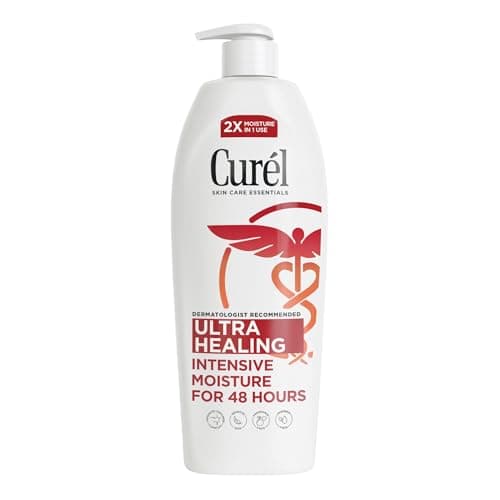
Curel Ultra Healing Lotion vs Eucerin Advanced Repair Lotion — best-value ceramide-complex daily lotion against a ceramide-plus-urea lotion for rough, scaly skin.
Comparison
CeraVe Moisturizing Cream vs The INKEY List Bio-Active Ceramide Moisturizer — three-ceramide drugstore value against a nicer-feeling mid-tier step-up.
Comparison
Dr.Jart+ Ceramidin Cream vs Serum — the same line in two formats. A rich five-ceramide cream against a milky ceramide NP serum, and why they pair.
Comparison
CeraVe Moisturizing Cream vs Paula's Choice RESIST Barrier Repair - three disclosed ceramides in a big value tub against five named ceramides plus cholesterol and a peptide in a small fragrance-free tube.
Comparison
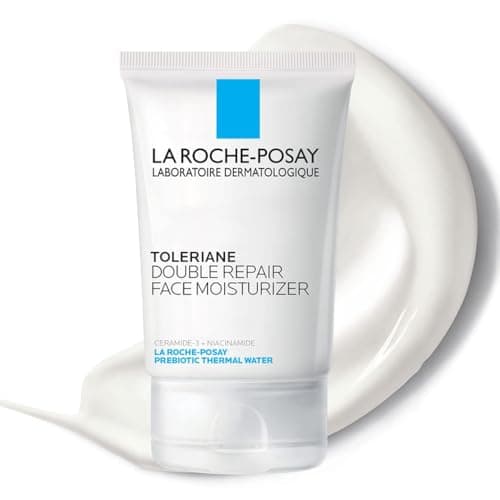
La Roche-Posay Toleriane Double Repair vs First Aid Beauty Ultra Repair Cream - a light oil-free ceramide gel-cream for reactive skin against a whipped colloidal-oatmeal-and-ceramide cream for itch and flakes.
Top pick · La Roche-Posay Toleriane Double Repair Face Moisturizer
$24.99View on Amazon#ad · $7.39/oz · price may change
Comparison
Skinfix Barrier+ Triple Lipid-Peptide vs Dr.Jart+ Ceramidin Cream - the complete ceramide-cholesterol-fatty-acid trio plus peptides against a rich five-ceramide complex in an especially elegant texture.
Top pick · Skinfix Barrier+ Triple Lipid-Peptide Cream
$54.00View on Amazon#ad · $31.76/oz · price may change
Comparison
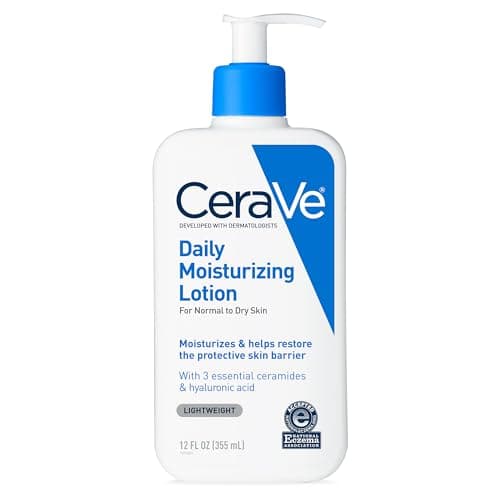
CeraVe Daily Moisturizing Lotion vs Curel Ultra Healing Lotion - a three-ceramide, oil-free daily lotion for face and body against a big-bottle ceramide-complex body lotion for extra-dry skin.
Comparison
COSRX Balancium Comfort Ceramide Cream vs Illiyoon Ceramide Ato Concentrate - a matte centella-and-ceramide-NP cream for redness-prone combination skin against Korea's best-selling value barrier concentrate.
Top pick · Illiyoon Ceramide Ato Concentrate Cream
$17.99View on Amazon#ad · $7.11/oz · price may change
Comparison
Paula's Choice RESIST Barrier Repair vs Skinfix Barrier+ Triple Lipid-Peptide - five named ceramides with cholesterol against the one cream that gets the full ceramide-cholesterol-fatty-acid trio right.
Top pick · Skinfix Barrier+ Triple Lipid-Peptide Cream
$54.00View on Amazon#ad · $31.76/oz · price may change
Comparison
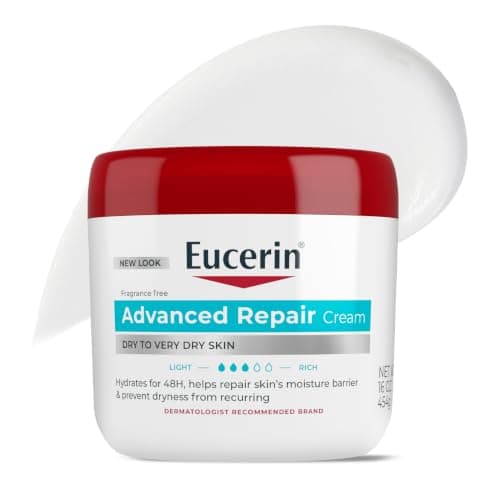
Eucerin Advanced Repair Cream vs Lotion - the same ceramide-3-and-urea formula in two textures. The jar cream for rough, very dry patches; the pump lotion for fast-absorbing everyday maintenance.
Comparison
Curel Ultra Healing vs La Roche-Posay Lipikar Balm AP+M - a ceramide-technology body lotion against a hugely popular eczema-prone barrier balm that leans on shea and niacinamide, not ceramides. The honest split.
Comparison
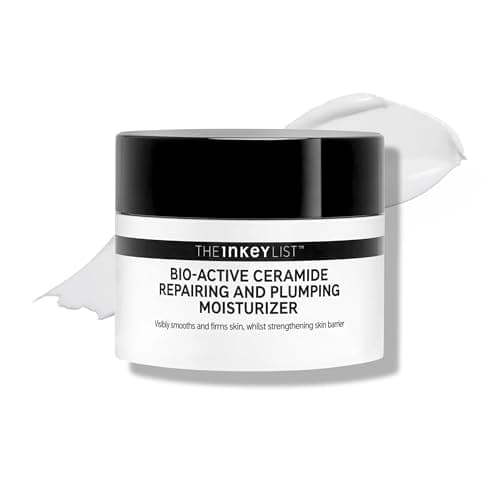
The INKEY List Bio-Active Ceramide vs Paula's Choice RESIST Barrier Repair - a mid-priced ceramide moisturizer against a premium five-ceramide cream with cholesterol. What the step up in price actually buys you.
Top pick · The INKEY List Bio-Active Ceramide Moisturizer
$22.00View on Amazon#ad · $12.94/oz · price may change
Comparison
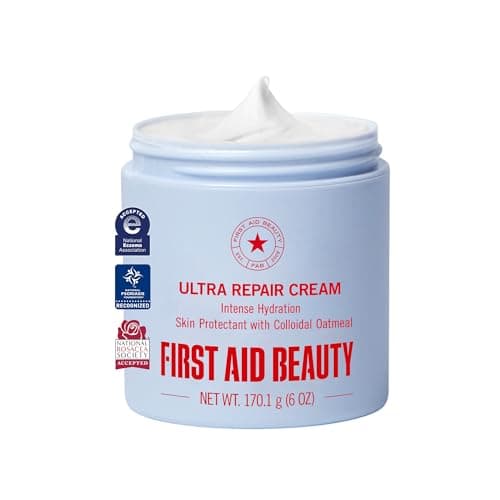
First Aid Beauty Ultra Repair Cream vs COSRX Balancium Comfort Ceramide - a whipped colloidal-oatmeal cream for itchy, reactive skin against a matte, centella-forward cream for redness-prone combination skin.
Comparison
La Roche-Posay Toleriane Double Repair vs COSRX Balancium Comfort Ceramide - a dermatologist-shelf oil-free gel-cream against a matte, centella-heavy K-beauty cream, both aimed at sensitive, redness-prone skin.
Top pick · La Roche-Posay Toleriane Double Repair Face Moisturizer
$24.99View on Amazon#ad · $7.39/oz · price may change
Comparison
Skinfix Barrier+ Triple Lipid-Peptide vs The INKEY List Bio-Active Ceramide - the most complete barrier formula on the site against a genuinely mid-priced ceramide moisturizer. When the premium trio is worth paying for.
Top pick · Skinfix Barrier+ Triple Lipid-Peptide Cream
$54.00View on Amazon#ad · $31.76/oz · price may change
Comparison
Dr.Jart+ Ceramidin Cream vs Paula's Choice RESIST Barrier Repair - two premium creams that both disclose five ceramides. Cushiony texture against named types, cholesterol and a fragrance-free formula.
Comparison
La Roche-Posay Toleriane Double Repair vs Paula's Choice RESIST Barrier Repair - an affordable oil-free ceramide gel-cream against a premium five-ceramide cream with cholesterol. Everyday tolerance vs a deeper ceramide list.
Top pick · La Roche-Posay Toleriane Double Repair Face Moisturizer
$24.99View on Amazon#ad · $7.39/oz · price may change
Comparison
First Aid Beauty Ultra Repair Cream vs Illiyoon Ceramide Ato Concentrate - a premium whipped colloidal-oatmeal-and-ceramide cream for itchy skin against Korea's best-value ceramide concentrate. Soothing premium vs value concentrate.
Comparison
The INKEY List Bio-Active Ceramide vs Illiyoon Ceramide Ato Concentrate - a mid-range Western ceramide moisturizer against a K-beauty value concentrate. Which value pick to grab, and why.
Top pick · The INKEY List Bio-Active Ceramide Moisturizer
$22.00View on Amazon#ad · $12.94/oz · price may change
Comparison
Slugging seals water in behind an occlusive layer. A ceramide cream restocks the lipids that hold water in. Different jobs - and if you only do one of them, do the cream. Includes who should skip slugging.
Comparison
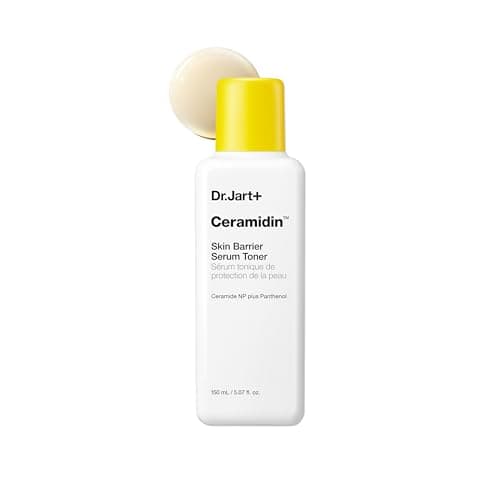
Ceramides are lipids, so the deepest ceramide ingredient lists all belong to creams. The serum format wins on layering and on oily skin - here is the format decision with live prices for both sides.
Comparison
Ceramide serums repair the barrier; vitamin C serums treat tone and antioxidant damage. Which to buy first depends on whether your skin is currently comfortable - and a compromised barrier makes vitamin C sting.
Comparison
Seven ceramide brands compared on disclosure rather than marketing: which ceramide types each publishes, whether cholesterol and fatty acids are in the formula, and the live cost-per-ounce of each brand's flagship.
Comparison
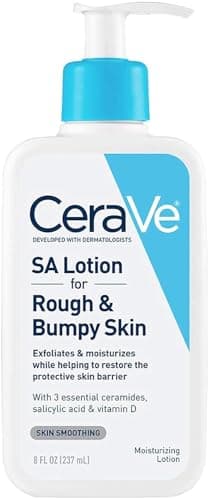
Salicylic acid exfoliates and unclogs; ceramides replace the barrier lipids that exfoliation depletes. Which to buy first, how to run both, and the single registry product that contains both at once.
Top pick · CeraVe SA Lotion for Rough & Bumpy Skin
$14.99View on Amazon#ad · $1.87/oz · price may change
Comparison
Ceramides replace barrier lipids, niacinamide supports the skin's own lipid production and oil balance, peptides are a firmness play. Which of the three to buy first, and the picks that carry two or all three.
Top pick · Skinfix Barrier+ Triple Lipid-Peptide Cream
$54.00View on Amazon#ad · $31.76/oz · price may change
Comparison
Eucerin vs La Roche-Posay on disclosed ceramides, texture and live cost-per-ounce. Eucerin's ceramide-and-urea body creams versus La Roche-Posay's tolerance-first face range - and which brand to buy for which job.
Comparison
Illiyoon Ceramide Ato against La Roche-Posay's Toleriane and Lipikar on disclosed ceramides, texture and live cost-per-ounce - including the awkward fact that La Roche-Posay's best-known barrier balm is not ceramide-led.
Top pick · Illiyoon Ceramide Ato Concentrate Cream
$17.99View on Amazon#ad · $7.11/oz · price may change
Comparison
Skinfix's full ceramide-cholesterol-fatty-acid trio against First Aid Beauty's colloidal-oatmeal-and-ceramide cream, on disclosed ingredients and live cost-per-ounce - with the eye treatments from both brands compared too.
Top pick · Skinfix Barrier+ Triple Lipid-Peptide Cream
$54.00View on Amazon#ad · $31.76/oz · price may change
Comparison
What a ceramide moisturizer does that a normal one does not, who actually needs the upgrade, and the honest case for a plain moisturizer - with live prices for a ceramide-led cream and a very good non-ceramide balm side by side.
Comparison
First Aid Beauty Ultra Repair vs Dr.Jart+ Ceramidin on disclosed ceramide types, texture and live cost-per-ounce - plus the eye cream and serum each brand adds, and which pairing is worth the money.
Comparison
Eucerin's ceramide-and-urea jars against First Aid Beauty's oatmeal-and-ceramide cream, on disclosed ingredients and live cost-per-ounce - rough skin versus itchy skin, and why that distinction decides the purchase.
Comparison
Skinfix Barrier+ versus La Roche-Posay Toleriane and Lipikar, on disclosed lipids, texture, tolerance and live cost-per-ounce - the complete lipid trio against the cream reactive skin almost never rejects.
Top pick · La Roche-Posay Toleriane Double Repair Face Moisturizer
$24.99View on Amazon#ad · $7.39/oz · price may change