Skip to content
Ceramide Club

Hub 06 · Compare

Ceramide Moisturizer vs Regular Moisturizer

Ceramides do a job plain humectants and occlusives cannot: they replace a structural lipid your barrier is missing. That matters enormously for damaged skin and barely at all for healthy skin - here is how to tell which you have, and what to buy either way.

By Stephen V.Updated October 11, 2026

#ad Ceramide Club is reader-supported. If you buy through our links we may earn a commission, at no cost to you — it never changes our verdict. How this works.

The answer for almost everyone

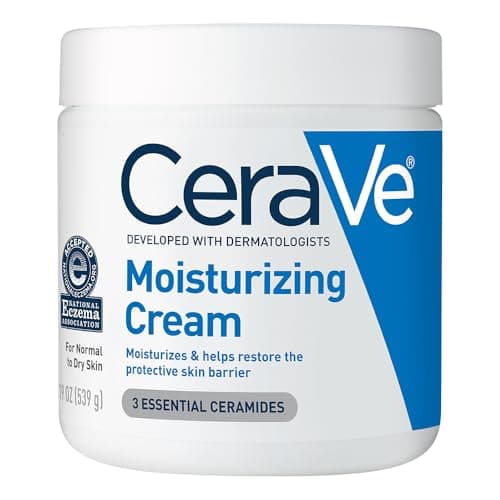
CeraVe CeraVe Moisturizing Cream

CeraVe Moisturizing Cream

8.8/10
19 oz tubFragrance-freeCeramides 1·3·6-IIMVE delivery

You do not have to choose between a ceramide moisturizer and an affordable one. The CeraVe Moisturizing Creamdiscloses three ceramides plus cholesterol in a 19 oz tub at the lowest cost-per-ounce on this site — which means the ceramide “upgrade” costs essentially nothing and the whole debate is mostly moot at the drugstore end of the shelf. The genuinely good non-ceramide comparison point is the La Roche-Posay Lipikar Balm: an excellent moisturizer that is not ceramide-led, included here deliberately so you can see what you do and do not give up. Pay more than the CeraVe only for a reason you can name — texture, a deeper disclosed list, or the full lipid trio.

$18.96View on Amazon

≈ $1.00/oz

Price as of October 23, 2026. Prices change — Amazon's is the one that counts.

#ad · we may earn a commission from this link to CeraVe Moisturizing Cream

Why it wins ↓ · Full review

A “regular” moisturizer does two things: it pulls water into the outer skin with humectants like glycerin, and it slows that water escaping with occlusives like petrolatum or dimethicone. Both work, both are well understood, and for healthy skin they are enough. A ceramide moisturizer adds a third thing, and it is a different kind of thing: it supplies a structural lipid that the skin barrier is built out of. Humectants and occlusives manage water. Ceramides are part of the wall. If the wall is intact, the third mechanism adds little. If it is not, nothing else substitutes for it.

That is the whole comparison, and it means the useful question is not “which type of moisturizer is better” but “is my barrier actually compromised?”. The reference that separates the three mechanisms cleanly is the StatPearls chapter on how moisturizers work, and the evidence that replacing the lipids specifically changes barrier recovery is the work on optimal ratios of topical stratum corneum lipids. Cleveland Clinic's plain-language version of what ceramides do for skin is the short read.

Pick in ten seconds

The short answer

At a glance

#ProductCeramidesScorePrice
01
CeraVe CeraVe Moisturizing Cream

Most people, most of the time

CeraVe Moisturizing Cream

The default answer to "what ceramide cream should I buy" — three ceramides, a huge tub, and a cost-per-ounce nothing else here touches.

Ceramides 1, 3, 6-II
8.8
$18.96Amazon

$1.00/oz

02
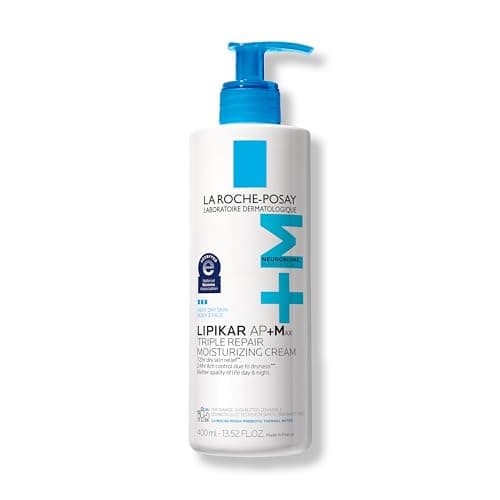
La Roche-Posay La Roche-Posay Lipikar Balm AP+M

Eczema-prone body skin (barrier balm)

La Roche-Posay Lipikar Balm AP+M

A hugely popular eczema-prone body balm — but be honest about what it is: a niacinamide-and-shea barrier balm, not a ceramide showcase.

Not ceramide-led (niacinamide + shea + glycerin)
7.6
$20.99Amazon

$1.55/oz

03
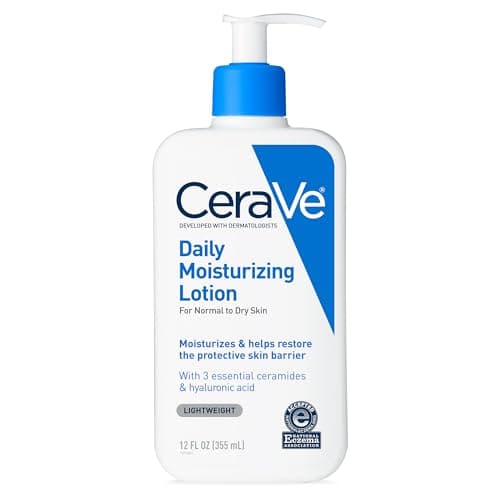
CeraVe CeraVe Daily Moisturizing Lotion

Lightweight daily face and body use

CeraVe Daily Moisturizing Lotion

The same three-ceramide blend as the tub in a lighter, pump-bottle lotion that dresses over in seconds. The everyday-daytime pick.

Ceramides 1, 3, 6-II
8.4
$14.97Amazon

$1.25/oz

04
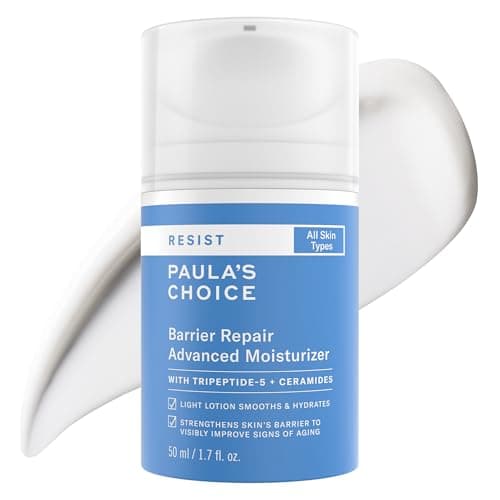
Paula's Choice Paula's Choice RESIST Barrier Repair Advanced Face Moisturizer

Five ceramides plus a firmness angle

Paula's Choice RESIST Barrier Repair Advanced Face Moisturizer

Five named ceramides with cholesterol and a peptide — one of the deepest ceramide lists on the site, in a fragrance-free cream that stays light. You pay premium per ounce for it.

Ceramides NP, AP, AS, NS, EOP + cholesterol
8.0
$45.00Amazon

$26.47/oz

05
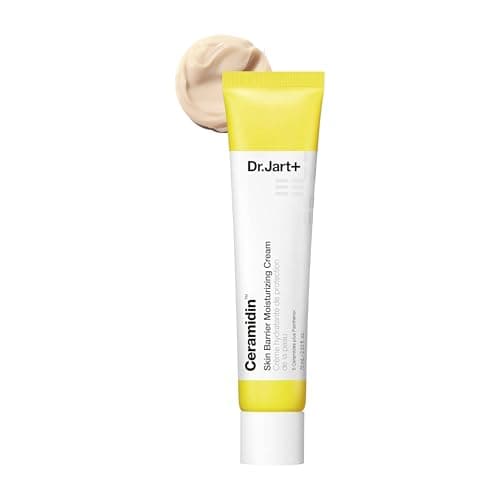
Dr.Jart+ Dr.Jart+ Ceramidin Cream

A premium, elegant barrier cream

Dr.Jart+ Ceramidin Cream

A five-ceramide complex in a cushiony, elegant cream. The nicest to use in the category — and priced like it knows.

5-Cera Complex (five ceramides)
8.0
$62.00Amazon

$24.51/oz

#ad · Live prices and cost-per-ounce from the Amazon Product API, as of October 23, 2026. Where we have no verified live price, we show none — a gap beats a number that has rotted.

In detail

The picks, in full

01
CeraVe CeraVe Moisturizing Cream

Most people, most of the time

CeraVe Moisturizing Cream

Ceramides: Ceramides 1, 3, 6-II

19 oz tubFragrance-freeCeramides 1·3·6-IIMVE delivery
8.8/10

The default answer to "what ceramide cream should I buy" — three ceramides, a huge tub, and a cost-per-ounce nothing else here touches.

Ceramide profile
9
Barrier support
9
Suitability
9
Formulation
7
Value
10

Pros

  • Lists three of the ceramides your barrier actually uses, plus cholesterol and phytosphingosine
  • The 19 oz tub makes the cost-per-ounce the lowest of any pick on the site
  • Fragrance-free, non-comedogenic, and boring in the best way — nothing in it fights reactive skin

Cons

  • The tub is unhygienic to finger-dip and too stiff to pump
  • Thick enough that oily skin will find it heavy for daytime under makeup

Don't buy this if…

…you want something that sinks in fast for daytime wear under makeup. This is a rich cream — reach for the Daily Moisturizing Lotion or a serum for mornings.

$18.96View on Amazon

≈ $1.00/oz

Price as of October 23, 2026. Prices change — Amazon's is the one that counts.

#ad · we may earn a commission from this link to CeraVe Moisturizing Cream

Read our full CeraVe Moisturizing Cream review →
02
La Roche-Posay La Roche-Posay Lipikar Balm AP+M

Eczema-prone body skin (barrier balm)

La Roche-Posay Lipikar Balm AP+M

Ceramides: Not ceramide-led (niacinamide + shea + glycerin)

400 mL / 13.5 ozNiacinamideShea butterPrebiotic water
7.6/10

A hugely popular eczema-prone body balm — but be honest about what it is: a niacinamide-and-shea barrier balm, not a ceramide showcase.

Ceramide profile
4
Barrier support
9
Suitability
9
Formulation
8
Value
8

Pros

  • A genuinely effective, well-tolerated balm for itchy, eczema-prone body skin
  • Large tube and a reasonable cost-per-ounce for a dermatologist-shelf balm
  • Niacinamide, shea, and prebiotic thermal water make a soothing, occlusive barrier layer

Cons

  • This is the honest part: Lipikar leans on shea and niacinamide, not a disclosed ceramide blend — if ceramides specifically are your goal, it is the wrong pick
  • Rich enough that it can feel heavy in warm weather

Don't buy this if…

…you specifically want ceramides. Lipikar is an excellent barrier balm, but it is not built around ceramides — for that, the Eucerin ceramide-and-urea creams or a Curel lotion are the on-target body choices.

$20.99View on Amazon

$22.999% off≈ $1.55/oz

Price as of October 23, 2026. Prices change — Amazon's is the one that counts.

#ad · we may earn a commission from this link to La Roche-Posay Lipikar Balm AP+M

Read our full La Roche-Posay Lipikar Balm AP+M review →
03
CeraVe CeraVe Daily Moisturizing Lotion

Lightweight daily face and body use

CeraVe Daily Moisturizing Lotion

Ceramides: Ceramides 1, 3, 6-II

12 oz pumpFragrance-freeCeramides 1·3·6-IIOil-free
8.4/10

The same three-ceramide blend as the tub in a lighter, pump-bottle lotion that dresses over in seconds. The everyday-daytime pick.

Ceramide profile
9
Barrier support
7
Suitability
9
Formulation
8
Value
9

Pros

  • Carries the same ceramide blend as the flagship cream in a far lighter texture
  • Oil-free and fast-absorbing, so it works for face and body without a greasy film
  • Pump bottle is more hygienic than the tub

Cons

  • Too light to be enough on its own for very dry or actively flaking skin
  • Not occlusive enough for overnight barrier repair

Don't buy this if…

…your skin is very dry or compromised right now. This is a maintenance lotion — during a flare you want the richer cream on top of it.

$14.97View on Amazon

$17.9917% off≈ $1.25/oz

Price as of October 23, 2026. Prices change — Amazon's is the one that counts.

#ad · we may earn a commission from this link to CeraVe Daily Moisturizing Lotion

Read our full CeraVe Daily Moisturizing Lotion review →
04
Paula's Choice Paula's Choice RESIST Barrier Repair Advanced Face Moisturizer

Five ceramides plus a firmness angle

Paula's Choice RESIST Barrier Repair Advanced Face Moisturizer

Ceramides: Ceramides NP, AP, AS, NS, EOP + cholesterol

1.7 oz5 ceramides + cholesterolPalmitoyl tripeptide-5Fragrance-free
8.0/10

Five named ceramides with cholesterol and a peptide — one of the deepest ceramide lists on the site, in a fragrance-free cream that stays light. You pay premium per ounce for it.

Ceramide profile
9
Barrier support
9
Suitability
9
Formulation
8
Value
5

Pros

  • Names five ceramide types — NP, AP, AS, NS and EOP — and pairs them with cholesterol, so two of the three barrier lipids are covered outright
  • Palmitoyl tripeptide-5 and watermelon seed oil add a genuine firmness angle, with no fragrance in the formula
  • Squalane and shea butter sit high in the ingredient list, which is why a tube this lightweight still reads as properly nourishing

Cons

  • Premium cost-per-ounce, and 1.7 oz does not last long on a face-and-neck routine
  • No free fatty acids, so it stops one lipid short of the complete barrier trio

Don't buy this if…

…cost-per-ounce is what decides it for you. Five ceramides with cholesterol is a genuinely strong list, but you are paying a premium per ounce for a small tube — a three-ceramide drugstore cream in a big tub covers most barriers for a fraction of the running cost.

$45.00View on Amazon

≈ $26.47/oz

Price as of October 23, 2026. Prices change — Amazon's is the one that counts.

#ad · we may earn a commission from this link to Paula's Choice RESIST Barrier Repair Advanced Face Moisturizer

Read our full Paula's Choice RESIST Barrier Repair Advanced Face Moisturizer review →
05
Dr.Jart+ Dr.Jart+ Ceramidin Cream

A premium, elegant barrier cream

Dr.Jart+ Ceramidin Cream

Ceramides: 5-Cera Complex (five ceramides)

2.53 ozFive ceramidesPanthenolRich texture
8.0/10

A five-ceramide complex in a cushiony, elegant cream. The nicest to use in the category — and priced like it knows.

Ceramide profile
9
Barrier support
9
Suitability
8
Formulation
9
Value
5

Pros

  • Discloses a five-ceramide complex — one of the broadest ceramide profiles on the site
  • The texture is genuinely lovely: rich, cushiony, and fast to settle
  • Panthenol adds soothing on top of the ceramide blend

Cons

  • Expensive per ounce — several times the drugstore three-ceramide picks
  • The richness is more than oily or acne-prone skin needs

Don't buy this if…

…you are buying strictly on ceramide count per dollar. A CeraVe tub gives you three ceramides for a fraction of the price — this one is a texture-and-experience upgrade, and you should buy it knowing that is what you are paying for.

$62.00View on Amazon

≈ $24.51/oz

Price as of October 23, 2026. Prices change — Amazon's is the one that counts.

#ad · we may earn a commission from this link to Dr.Jart+ Ceramidin Cream

Read our full Dr.Jart+ Ceramidin Cream review →

What ceramides do that glycerin and petrolatum cannot

Glycerin is a humectant: it is hygroscopic, it holds water in the outer layers, and it is genuinely one of the most useful ingredients in skincare. Petrolatum is an occlusive: it forms a film that cuts water loss dramatically, and it is the benchmark against which other occlusives are measured. Neither is a structural component of the stratum corneum. Ceramides are — they make up roughly half the lipid matrix that holds corneocytes together, alongside cholesterol and free fatty acids. When that matrix is depleted, you can hold water in with humectants and seal it in with occlusives and the underlying structure is still depleted. Replacing the lipid is a different intervention from managing the water.

The clearest real-world case is atopic skin. The lipid abnormalities documented in ceramide abnormalities in atopic dermatitis are a measured deficit, not a theory, and that is why ceramide-containing emollients are the standard daily layer in eczema-prone skin rather than a luxury. The same logic applies in a milder form to over-exfoliated skin, retinoid-irritated skin, winter-damaged skin and rosacea-prone skin.

When a regular moisturizer is the right buy

We are an affiliate site that sells ceramide products, so this section matters: there are real cases where the non-ceramide option is correct.

  • Itch is the main symptom.Colloidal oatmeal, niacinamide and shea are doing comfort work that ceramides do not. The Lipikar balm ranked above is the honest example — it is one of the most widely recommended body moisturizers in dermatology, and it is not ceramide-led.
  • You need maximum occlusion tonight.For a cracked heel or a windburned face, plain petrolatum outperforms almost any ceramide cream at sealing. The right move is usually both — see ceramides and slugging and ceramides vs petrolatum.
  • Your skin is healthy and your budget is tight. A cheap glycerin lotion used twice a day beats an expensive ceramide cream used twice a week. Frequency is the variable that moves the outcome most.
  • You react to something in the ceramide product. The ceramides are almost never the problem, but the rest of a formula can be. A plain moisturizer you tolerate is better than a sophisticated one you cannot use.

The price argument is weaker than you think

The assumption behind this comparison is usually that ceramides cost extra. At the premium end they do — the Dr.Jart+ and Paula's Choice picks above are several times the price per ounce of a drugstore tub, and what you are buying there is a deeper disclosed list and a nicer texture rather than a different mechanism. But at the drugstore end the premium has essentially vanished: a 19 oz tub disclosing three ceramides and cholesterol costs less per ounce than most unscented “regular” creams on the same shelf. The live per-ounce figures in the table above are computed from the current prices, so you can check that claim rather than trust it. In practice, “should I pay more for ceramides?” is the wrong question, because at the sensible end of the market you do not have to.

How to tell whether your barrier is actually compromised

The signs are specific rather than vague: tightness after cleansing that does not settle, stinging from products you used to tolerate, flaking that moisturizer does not fix for long, new redness or roughness, and a general sense that your skin has become reactive. The full list, and what each sign indicates, is in signs of a damaged skin barrier. If several apply, you are in the group where a ceramide product does something a plain one does not, and the repair sequence is in how to repair a skin barrier. If none apply and your skin is just a bit dry in winter, you are in the group where almost any decent moisturizer used consistently will do — and where buying the ceramide version anyway costs you nothing at the drugstore price.

Does every moisturizer secretly contain ceramides now?

No, and this is where label-reading earns its keep. Plenty of products marketed with barrier language contain no disclosed ceramide at all, and plenty that do list one at a position in the INCI suggesting a trace. The three-ceramide blends are easy to verify because the brands name the types; a vague “ceramide complex” is a claim you cannot audit. How to read it off the back of the box is in how to read a ceramide ingredient label, and the survey of what is actually in the category is in do all moisturizers have ceramides.

The verdict

If your skin is compromised in any of the ways listed above, a ceramide moisturizer is doing something a regular one cannot, and the case is strongest for eczema-prone and over-exfoliated skin. If your skin is healthy, the mechanism matters much less than applying something twice a day — but since a 19 oz CeraVe tub disclosing three ceramides is also the cheapest thing per ounce we track, the sensible move is to buy the ceramide one regardless and spend the saved decision elsewhere. Pay the premium above that only for a reason you can articulate: the full lipid trio (Skinfix), a five-ceramide disclosed list (Dr.Jart+), or a texture you will actually enjoy using. The complete ranking is on the best ceramide moisturizers.
How we picked

We do not run a testing lab

Everyone in this category claims a lab and a testing count. We do not have one, and we will not pretend to. What we do instead: read every INCI list and record the actual ceramide types each formula discloses, note whether it pairs them with cholesterol and fatty acids, and compute the cost-per-ounce from the live price — then score each product against a published rubric. The scores are judgments from that documented research, not measurements we took. Where a claim comes from the manufacturer, we say so and cite it in Sources.

Frequently asked

Questions people actually ask

Is a ceramide moisturizer better than a normal moisturizer?

For compromised skin, yes — ceramides replace a structural lipid the barrier is missing, which humectants and occlusives do not do. For healthy skin the difference is small, and consistency matters more than which type you buy. Since the cheapest cream we track also discloses three ceramides, there is usually no cost reason to choose the plain one.

Do I need ceramides if my moisturizer already has hyaluronic acid or glycerin?

They are not substitutes. Hyaluronic acid and glycerin are humectants that hold water in the outer skin; ceramides are part of the structure that stops it leaving. A product containing both is doing two useful things, which is why most good barrier creams include humectants alongside the lipids. See ceramides vs hyaluronic acid and ceramides vs glycerin.

Are expensive ceramide creams better than drugstore ones?

Not on mechanism. The premium picks buy you a deeper disclosed ceramide list, sometimes the full ceramide-cholesterol-fatty-acid trio, and a nicer texture. None of those is the difference between working and not working. A 19 oz drugstore tub with three disclosed ceramides is the value answer, and it is our top pick on this page for that reason.

Can a regular moisturizer repair my skin barrier?

Partly. Reducing water loss gives the skin conditions to rebuild its own lipids, so a plain occlusive moisturizer used consistently does help. Supplying the lipids directly is faster and is the better-supported approach for atopic and over-exfoliated skin. The timeline either way is in how long it takes to repair a skin barrier.

Keep reading

Show your work

Sources