Yes, ceramides can be taken orally, and no, that is not the same as saying you should. The evidence is more substantial than skincare sceptics assume and much thinner than the supplement aisle implies: a handful of small randomised, placebo-controlled trials, several of them funded by the ingredient manufacturers, showing measurable improvements in skin hydration over six to twelve weeks. That is a real finding. It is also a modest one measured against the alternative of putting the lipids directly where they are needed, for less money, with a faster effect you can feel within days.
What the trials found is worth being precise about. A twelve-week randomised, double-blind, placebo-controlled study of oral ceramide in adults concerned about dry skin reported significantly improved stratum corneum hydration at a dose of 0.8 mg of dihydroceramide per day, with no adverse effects reported in any participant. A separate six-week trial of oral konjac glycosylceramides in 51 volunteers reported significant decreases in self-assessed skin dryness, redness, itching and oiliness. Both are genuine studies with control groups. Both are also small, short, and in a field where the manufacturers fund most of the research.
What to look for if you are buying anything here
We do not sell supplements and we do not have a supplement in our registry, so this section is advice rather than a shopping list — the picks below are the topical products we would buy with the same money.
- A named ceramide source and a stated dose.The trials above used specific compounds at specific doses — 0.8 mg of dihydroceramide, 5 mg of glycosylceramides within a 100 mg extract. A bottle that says “phytoceramides” with no compound and no quantity cannot be compared to any published result.
- Scepticism about the marketing claims.“Five clinical trials” on an ingredient supplier's page is not the same as five independently published trials you can read. We could not verify several such claims against primary records.
- Realistic expectations about the endpoint. What improved in these trials was measured hydration and self-reported dryness. Not wrinkles, not elasticity you can see in a mirror, not a barrier repaired in a week.
- A conversation with your doctor if you take anything else. Supplements are ingested; they are a different risk category from a moisturizer, and that is genuinely outside what a review site should be opining on.
Why topical is still the better buy
Three reasons, in order of how much they matter.
Mechanism and location. The barrier problem is in the outermost 10 to 20 micrometres of your skin. A topical ceramide cream puts the lipid exactly there. An oral dose has to survive digestion, enter circulation, and then be used by the body wherever it decides to use it, with the skin as one claimant among many. The work on optimal ratios of topical stratum corneum lipids found that barrier recovery depends on the ratio of ceramides to cholesterol and fatty acids applied to the skin — a variable an oral route gives you no control over at all.
Cost. A month of a branded phytoceramide supplement generally costs more than the 19 oz tub ranked first above, which is enough ceramide cream for several months of twice-daily whole-body use. The live per-ounce figures are in the table.
Speed and feedback.You can feel a good barrier cream working within a few days, and if it is not working you know to change something. An oral supplement's twelve-week endpoint gives you no such signal, and twelve weeks is a long time to be wrong.
Who might reasonably try one anyway
There is a case, and we would rather state it than pretend the answer is a flat no. If you are already applying a good ceramide moisturizer twice a day, have fixed the obvious aggravators — hot showers, stripping cleansers, low indoor humidity — and still have generalised dryness over a large area, then a supplement is a low-risk thing to add with a modest published basis. The trials reported no adverse effects. What it should not be is the first thing you try, or a replacement for a topical, or a purchase made because a page implied the oral route is somehow more thorough. Start with why your ceramide moisturizer is not working instead, because the answer is usually in that list.
What about collagen, and the general supplement question?
The pattern is the same across ingestible skincare: small trials, measurable but modest endpoints, manufacturer funding, and a much cheaper topical alternative for the specific problem. Our take on the ceramide-versus-collagen framing is on ceramides vs collagen, and the more general question of whether any of this changes how skin ages is in skincare vs no skincare aging. Water intake gets the same treatment in does drinking water help dry skin — the short answer there being that hydration from the inside is necessary but not the lever people hope it is.
What we would actually buy
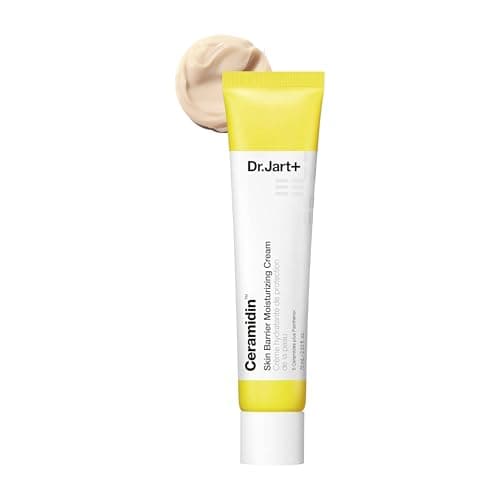
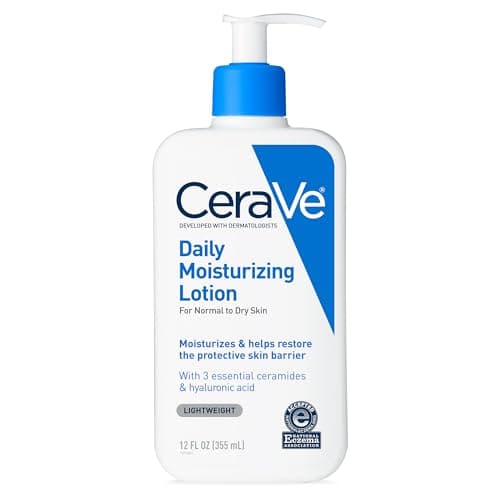
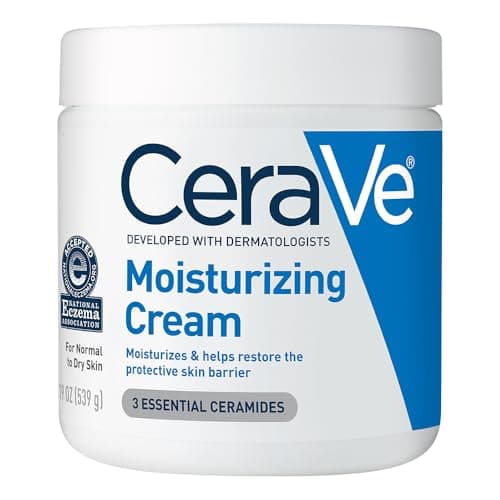
The CeraVe Moisturizing Cream, and whatever is left over goes nowhere. Three disclosed ceramides plus cholesterol, 19 oz, the lowest cost-per-ounce we track, applied twice a day to the skin that has the problem. If you want the deepest disclosed ceramide list and a texture you look forward to, the Dr.Jart+ Ceramidin Cream is the premium version of the same intervention and its five-ceramide complex is the broadest profile on the site. The CeraVe Daily Moisturizing Lotion is the pick if you want the same three ceramides in something light enough for daytime and large areas. All three put the lipid where the barrier is, today, for less than a month of capsules.
If you do buy a supplement, buy it as an addition to that rather than instead of it, and buy one that names its compound and its dose. We have no affiliate relationship with any supplement and no product in our registry to sell you here, which is precisely why this page can end with “probably not worth it for most people”.