Usually not — and the exceptions are specific enough to list. A drugstore ceramide cream that discloses three ceramide types, costs a few dollars an ounce and comes in a tub you will not ration covers the barrier job for most people. The three things a premium cream genuinely buys are a deeper disclosed lipid list, a better texture, and occasionally an ingredient the cheap tier does not carry at all. What it never buys is a different category of result, because the mechanism is the same mechanism.
It is worth being precise about where the money goes, because “expensive” in this category spans a 20-fold range in cost per ounce. A 19 oz drugstore tub and a 1.7 oz premium jar are not two versions of one product; they are different purchases for different frequencies of use. The per-ounce figures we publish under every price on this site exist precisely so you can see that gap instead of guessing at it.
What the price gap actually buys
- A deeper disclosed lipid list. Real, and the one upgrade with research behind it. The stratum corneum lipid-ratio work found barrier recovery depends on applying ceramides, cholesterol and fatty acids in sensible proportions — and the formulas that publish all three sit in the premium tier. If your barrier is genuinely compromised, that is worth paying for, at least for a course.
- Texture and finish. Also real, and consistently undersold as a reason. A cream you enjoy applying is a cream you apply twice a day. If the cheap tub feels so heavy that you skip nights, the expensive jar is the better product for you in the only sense that matters.
- An ingredient the cheap tier lacks. Encapsulated retinoids, peptides at meaningful levels, a disclosed percentage complex. Sometimes worth it, often a small increment on top of an unremarkable base.
- Packaging, scent and the shop. This is most of the difference above a certain price, and there is nothing wrong with buying it as long as you know that is what you are buying.
What it never buys
A fundamentally different result. Ceramides work the same way in a $12 tub and a $90 jar, and no moisturizer at any price repairs photoaging, removes wrinkles, or substitutes for sunscreen. The categories where the premium tier genuinely outperforms are narrow: completeness of the lipid list, and formulation elegance. Everything beyond that is positioning, and we would rather say so on a page that earns a commission than pretend otherwise.
Four questions that settle it
- Is your barrier actually damaged, or just dry? Damaged barriers justify a better lipid formula for a few weeks. Check the signs before upgrading.
- How much surface are you covering? Face only, a small jar lasts. Face, neck and chest twice a day, and a premium jar becomes a monthly expense.
- Will you ration it? This is the one people get wrong. An expensive cream used sparingly loses to a cheap cream used properly, every time.
- Does the cheap one work for you? If yes, the question answers itself. If it stings or feels unwearable, you are not comparing like for like.
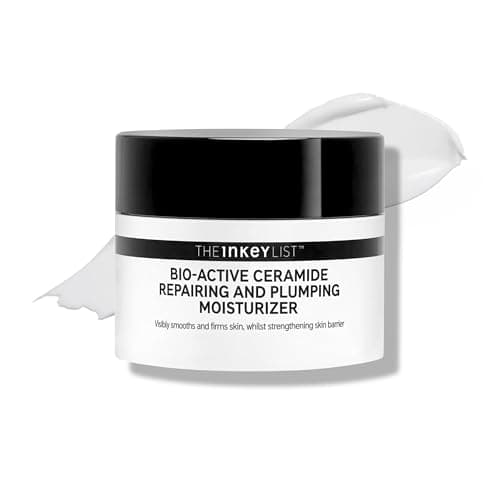
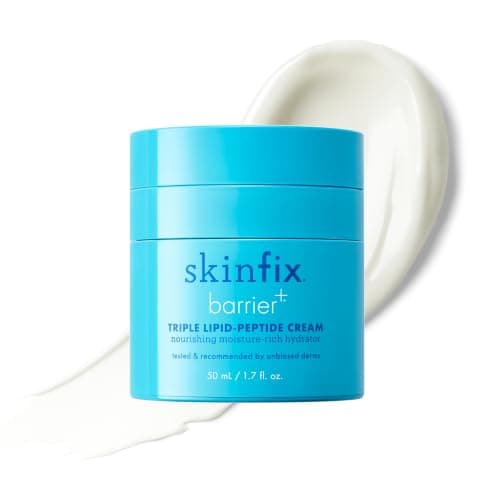
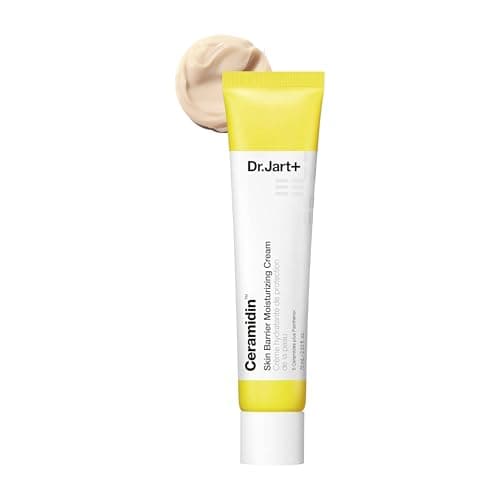
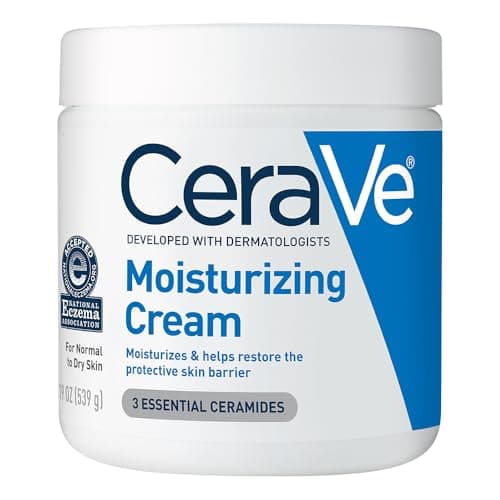
Four creams across the full range, so you can see what each tier actually costs per ounce:
The rationing trap
Dose is the variable almost nobody controls for. Barrier repair depends on applying enough product, often enough, for long enough — and the natural response to a jar that cost real money is to use less of it. We have watched this logic play out in every category on this site: the premium cream scores higher on the formula and lower on the outcome, because the person using it is applying a third of what they would apply from a tub. If you buy the expensive one, use it like it was cheap. How much ceramide moisturizer to use has the amounts.
The split that usually makes sense
Buy cheap for volume and premium for the specific job. A large drugstore tub for body, neck and chest, and for nights when your face wants a thick layer; a premium cream as a repair course when the barrier is struggling, or as the daytime cream if texture is what keeps you consistent. That is how we would spend it, and it is the pattern behind most of the verdicts on this site — see Skinfix vs CeraVe and Dr.Jart+ Ceramidin vs CeraVe, which put the question to the two most-cross-shopped premium creams, and the budget ceramide moisturizer picks if you want the cheap end ranked properly.
Where the mid-range sits
Between a drugstore tub and a luxury jar there is a tier that is easy to overlook and often the sensible answer: better texture than the cheapest option, a fraction of the premium price, and no pretence of being a clinical formula. It suits people who find drugstore creams unpleasant but cannot justify the top tier. The standard account of how moisturizers work is a reminder that the functional ingredients at every tier are largely the same short list — the differences are in proportion, elegance and disclosure.
The honest summary
If you have healthy skin and want a ceramide moisturizer, buy the cheap one; the money is better spent on sunscreen you will reapply. If your barrier is compromised, a complete lipid formula is worth a course and possibly worth keeping. If texture is what determines whether you use anything at all, buy the one you like and stop apologising for it — consistency beats formula depth in practice. What does not hold up is the idea that spending more buys a different mechanism. It buys a better version of the same one, and sometimes a nicer jar.