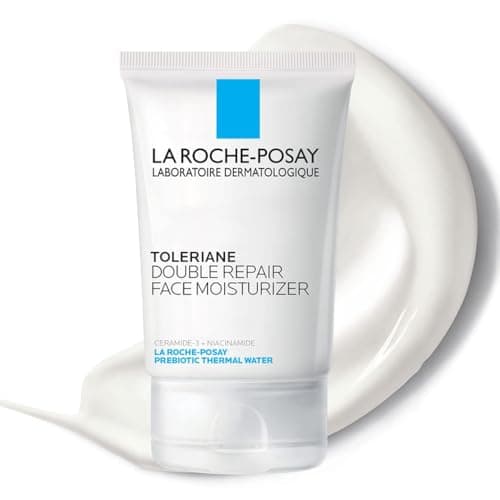
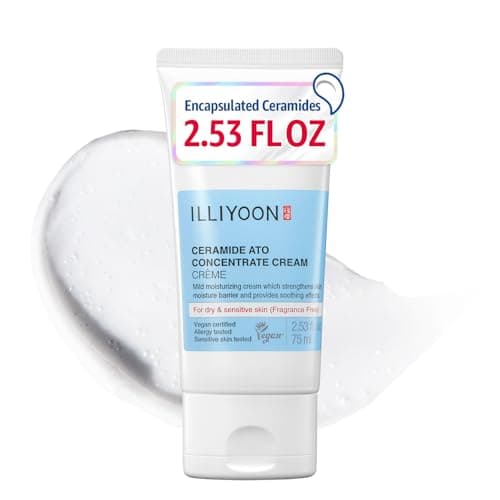
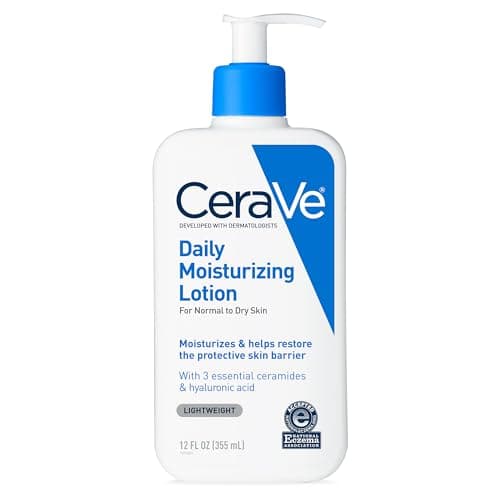
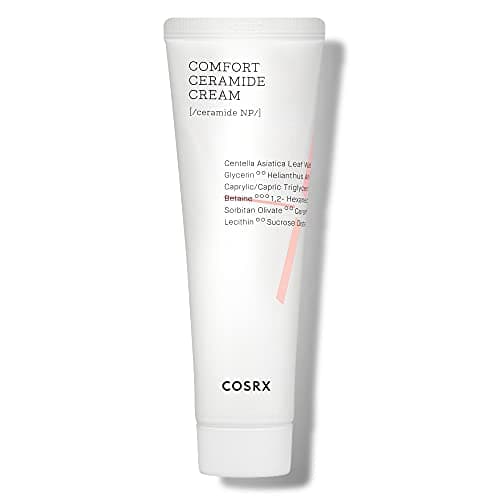
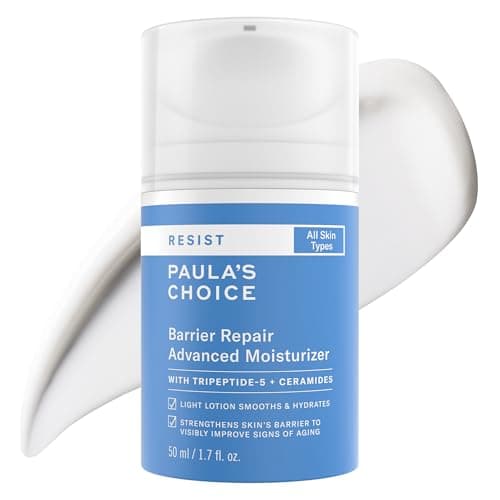
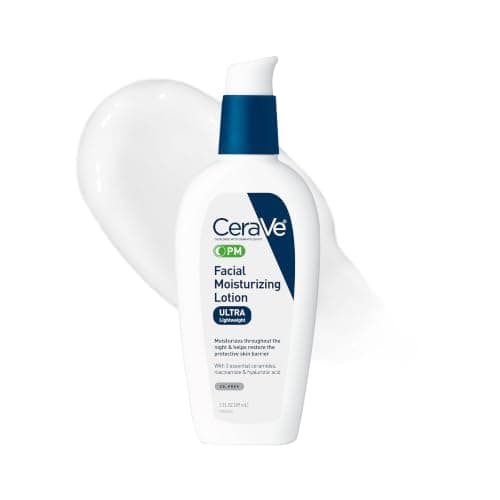
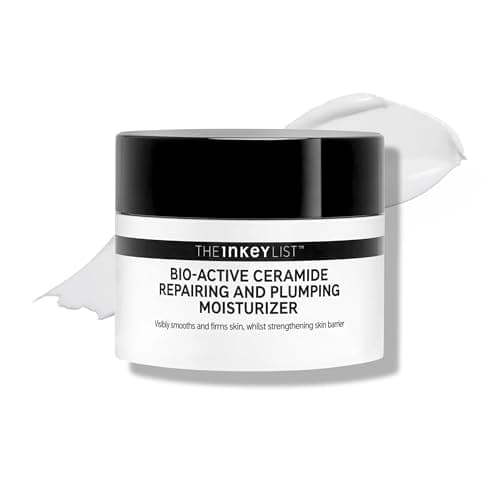
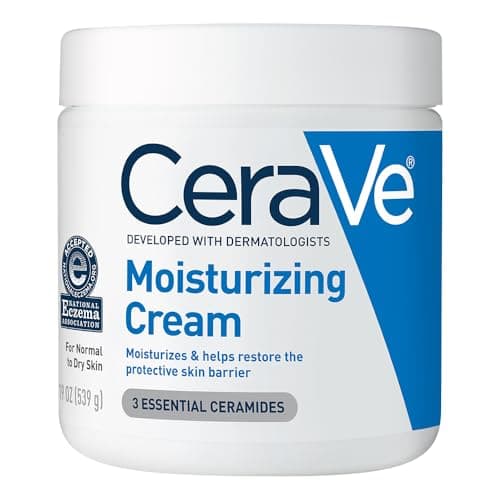
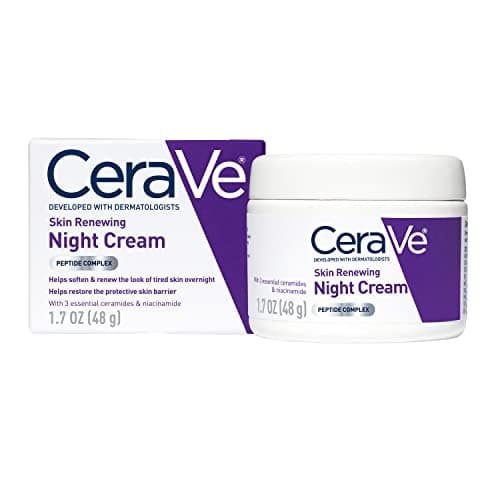
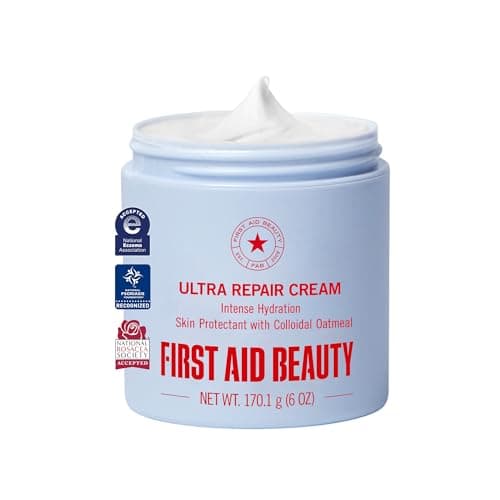
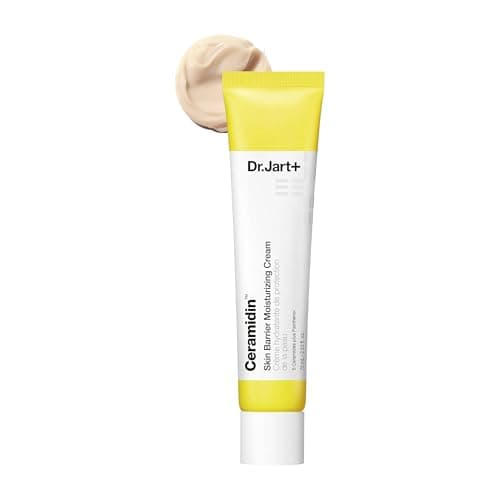
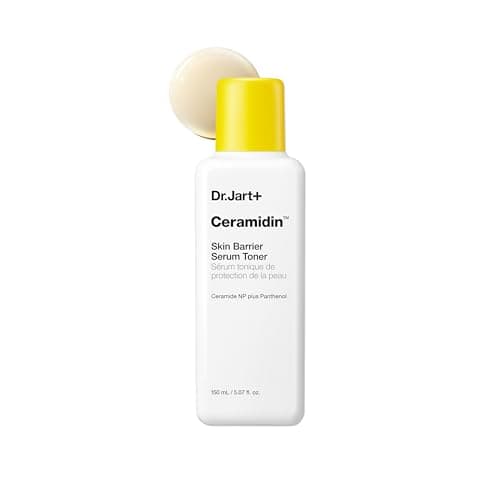
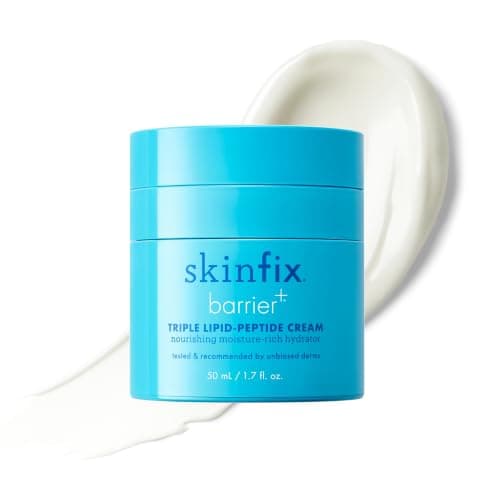
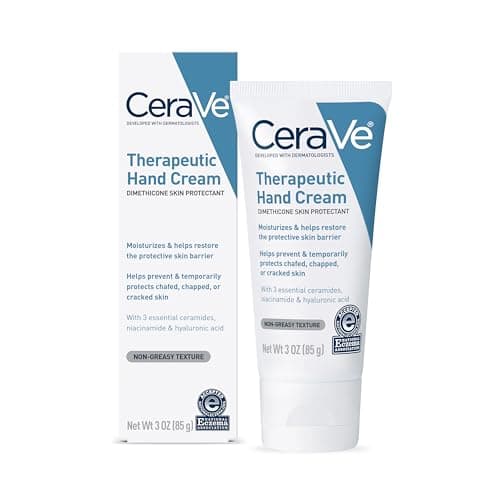
This is the everyday-face hub: light-to-medium lotions and gels you can wear under sunscreen in the morning and layer at night. If you want a thick, occlusive barrier cream for cracked hands, eczema flares, or a heavy night treatment, that lives one hub over in our ceramide creams roundup — we split the two deliberately so we are not recommending the same tub twice under two names.
Almost every moisturizer now prints “ceramides” on the front. That word alone tells you almost nothing. What matters is which ceramides, whether the formula pairs them with the cholesterol and fatty acids your barrier actually assembles them with, and how far up the ingredient list they sit. So that is what we list for every pick: the ceramide types the manufacturer discloses, whether the barrier trio is present, and the cost-per-ounce we calculated from the live price and the size — because “expensive” should be a number, not a vibe.
The short version of what we have found: the best everyday ceramide moisturizer for most people is a drugstore product, and it has been for years. The premium tier buys you nicer textures, cleaner fragrance-free formulas, and occasionally a genuinely better barrier blend — but it rarely buys you more ceramides. We say so on every page, even when the more expensive link pays us more.
Use the “best for” picks below if you know your skin type, or start with the flagship roundup and its sortable table. Not sure what ceramides even do first? Read what ceramides are — it is the five-minute version that makes every product page here make sense.
How to choose a ceramide moisturizer
The category is designed to confuse. Here is what actually matters, in order.
Which ceramides — and how many
A formula listing several ceramides (the CeraVe trio of 1, 3, and 6-II, or a K-beauty five-ceramide complex) is generally a fuller barrier match than one with a single ceramide. It is not the only thing that matters, but it is the thing the marketing hides, so we surface it first. Cleveland Clinic's primer is a good plain-English starting point on what ceramides do.
The barrier trio
Your skin builds its barrier from ceramides plus cholesterol and fatty acids, in roughly a 1:1:1 to 3:1:1 ratio — a point established in the classic lipid-ratio work on barrier recovery. Most moisturizers skip the cholesterol. The ones that include all three (Skinfix is the standout) are the technically strongest, though for a basically healthy barrier the trio is a nice-to-have, not a requirement.
Cost-per-ounce, not sticker price
A big tub at a low per-ounce price is the single most reliable value signal here, because you use a facial moisturizer daily and often on your neck and hands too. We compute the cost-per-ounce live and show it on every pick. It is why the drugstore cream keeps winning: it delivers the same ceramides the premium jars do, for a fraction per ounce.
Texture and skin type
The rest is fit. Oily and acne-prone skin wants a light, oil-free lotion — we rank the best ceramide moisturizer for oily skin separately. Dry and mature skin wants a richer cream; reactive skin wants fragrance-free above all. Use the by-concern picks below to skip straight to the right texture. If your skin is very dry or actively flaring, the richer ceramide creams are the better hub to start in.