Hub 05 · Ceramides 101
Ceramides and Hot Showers
Hot water and long showers strip the barrier lipids that keep skin soft, leaving it dry and tight. The fix is lukewarm water, less time, a gentle cleanser, and sealing on damp skin - and ceramides restock what hot water strips.
#ad Ceramide Club is reader-supported. If you buy through our links we may earn a commission, at no cost to you — it never changes our verdict. How this works.
A long, hot shower feels wonderful and does quiet damage to your skin at the same time, and both things are true at once. Hot water and time in the water strip away the oils and barrier lipids that keep skin soft and sealed, which is why so many people step out feeling clean but tight, dry, and itchy — especially in winter, and especially on the arms, legs, and back. This is not a scare story, and you do not have to give up warm showers to fix it. The barrier recovers, and the practical fix is simple: turn the temperature down to lukewarm, keep the shower shorter, use a gentle cleanser instead of a harsh one, and — the part most people skip — moisturize right after while your skin is still damp, so you seal the water in rather than letting it evaporate off. A ceramide moisturizer earns its place here because it restocks exactly the barrier lipids that hot water washes away. This guide explains what the heat actually does, why the after-shower minute matters more than the shower itself, and how to keep the comfort without the dryness.
None of this means hot showers are ruining your skin beyond repair — it means a few small habits make the difference between stepping out tight and stepping out comfortable. Let us look at what heat does to the barrier, then the routine that fixes it.
What hot water actually does to your skin
Your skin's outer layer is held together by a mix of oils and lipids that seal the surface and keep water in — the structure Cleveland Clinic's overview of what ceramides do describes as the mortar between the skin cells. Hot water is very good at dissolving and lifting oils, which is exactly why it feels so cleansing — but it does not stop at the dirt and sweat. It also strips the barrier lipids that are supposed to stay put, and the hotter and longer the shower, the more of that protective layer goes down the drain. With the seal thinned, water escapes faster than the skin can hold it, so paradoxically a long soak in hot water can leave you drier than before you got in. That tight, squeaky, sometimes itchy feeling afterward is the barrier telling you it has been stripped, and it is the same tightness we cover for the face in skin tightness after cleansing. Cold, dry indoor air in winter makes it worse, because the surrounding air pulls even more moisture out of the freshly stripped skin.
The after-shower minute is the whole game
Here is the part that quietly matters most: what you do in the minute or two after you towel off. A moisturizer works by drawing in water with humectants, softening with emollients, and sealing with occlusives — the three-part action described in the primer on how moisturizers work — and it does that job best when there is still water on the skin to trap. Apply a ceramide moisturizer while your skin is still slightly damp and you seal that surface water in; wait until you are bone-dry and dressed, and much of it has already evaporated into the room. The ceramides do a second job on top of the sealing: they replenish the barrier lipids the hot water just stripped, restocking the very thing that got washed away. So the after-shower moisturizer is not an optional finishing touch — on skin that has just been through hot water, it is the step that decides whether you feel comfortable or tight an hour later. For the body specifically, a richer lotion suits the job, and the picks are in our ceramide body lotion for dry skin roundup.
How to shower without drying out
- Turn it down to lukewarm. Warm, not hot. You do not need steaming water to get clean, and cooler water strips far fewer of the lipids that keep skin sealed.
- Keep it shorter. The longer you stay in, the more barrier oil dissolves away. A brisk shower is kinder to your skin than a long soak.
- Use a gentle cleanser.Skip harsh, heavily foaming soaps and stripping body washes on dry areas — a mild, fragrance-free cleanser removes dirt without scouring the barrier.
- Pat, do not scrub, dry.Blot with the towel and leave the skin slightly damp rather than rubbing it fully dry — that leftover moisture is what your moisturizer seals in.
- Moisturize within a couple of minutes. Apply a ceramide moisturizer or body lotion to damp skin before it dries out, restocking the lipids the hot water stripped.
When it is more than a hot-shower problem
Most post-shower dryness settles once you cool the water down, shorten the time, and seal with a moisturizer — and that gentle, seal-and-protect approach echoes the American Academy of Dermatology's dry-skin tips. But it is honest to name the limit of what a routine tweak can do. If your skin stays intensely itchy, red, cracked, or inflamed no matter how gentle you make your showers, or if you see a rash, weeping, or patches that will not calm down, that is no longer ordinary hot-water dryness and it belongs with a doctor or dermatologist rather than another layer of lotion. Ceramide care supports and hydrates the barrier; it does not diagnose or treat a skin condition, and persistent trouble deserves a professional look. If the dryness is stubborn but not condition-like, the fuller recovery plan is in how to repair your skin barrier, which builds on exactly these gentle-cleansing and sealing habits.
The short version
Hot water and long showers feel great but strip the barrier lipids that keep skin soft, which is why you can step out tight, dry, and itchy — drier, in fact, than before you got in. The fix keeps the comfort without the dryness: lukewarm water, a shorter shower, a gentle cleanser, and, most importantly, moisturizing on slightly damp skin within a couple of minutes so you seal the water in. A ceramide moisturizer restocks the lipids the heat washed away. And if the skin stays inflamed, cracked, or intensely itchy despite all that, see a doctor — that is beyond what a shower tweak can fix.
Also worth having · under $40
The small stuff that makes this easier
Everything above is free except one thing: patting dry is easier with a small, soft, dedicated cloth than with the heavy bath towel you just used on the rest of you.
None of it repairs a barrier — the moisturizer does that. These are cheap conveniences that make the routine easier to actually keep up.
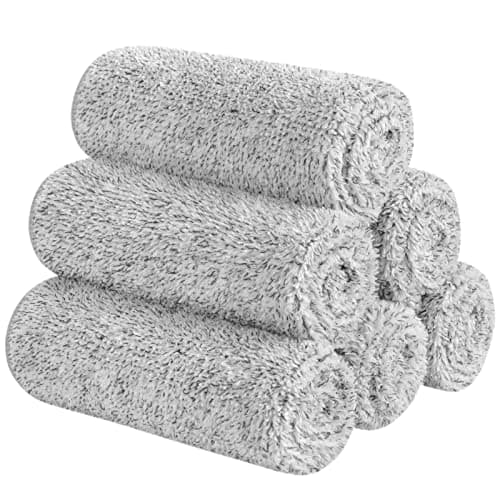
SINLAND Microfiber Face Towels, 12 x 12 in
6 pack
A small, soft, dedicated face cloth makes it easy to blot dry and leave skin slightly damp, which is the state a ceramide moisturizer wants to go on to.
One caveat. Blot, do not scrub. Dragging a cloth across the face is mechanical stress the barrier does not need.
$12.99View on Amazon#ad · price as of Sep 14, 2026, and it may change
Amazon links, so we may earn a commission at no cost to you — see the affiliate disclosure. We were not given any of these, and nothing here changed which products won this page.
Frequently asked
Questions people actually ask
Do hot showers really dry out your skin?
Yes. Hot water dissolves and lifts away the barrier oils and lipids that seal your skin, and the hotter and longer the shower, the more of that protective layer goes down the drain. With the seal thinned, water escapes faster, so a long hot shower can leave skin tighter and drier than before you got in.
How do I stop my skin feeling tight after a shower?
Cool the water to lukewarm, keep the shower shorter, use a gentle cleanser, and pat the skin only half-dry. Then moisturize within a couple of minutes while the skin is still slightly damp — a ceramide moisturizer seals in that surface water and restocks the lipids the hot water stripped.
Should I moisturize on damp or dry skin after showering?
Damp. Applying a moisturizer while there is still water on the skin lets it trap that moisture rather than letting it evaporate into the room. Wait until you are fully dry and dressed and much of the surface water has already gone, so the after-shower minute is the one that matters most.
Keep reading
Related on Ceramide Club
- Skin tightness after cleansingThe same stripped-barrier tightness, on the face.
- Best ceramide body lotion for dry skinThe richer seal for skin after a hot shower.
- Ceramides and hard waterAnother water-side stressor on the barrier.
- How to repair your skin barrierThe fuller recovery plan for stubborn dryness.
Show your work