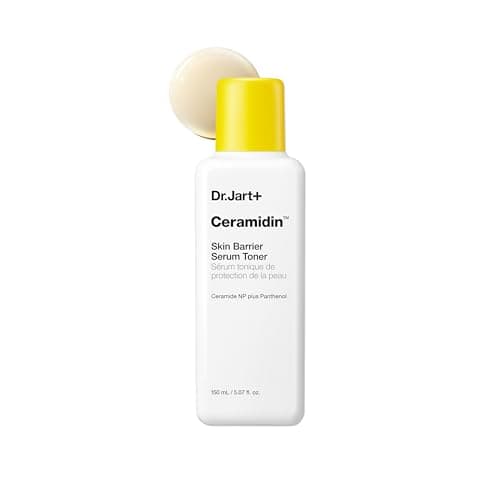
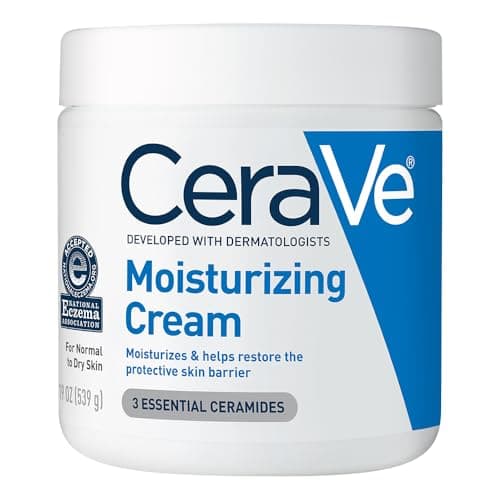
This comparison has an unglamorous answer that the category does not advertise: ceramides are lipids, and lipids formulate far more easily into a cream than into a water-based serum. That single fact is why the deepest ceramide ingredient lists on the market — three, five, sometimes more disclosed ceramide types, often with cholesterol and fatty acids alongside — all belong to creams, and why the serum shelf in this category is so thin that the best-known entry discloses exactly one ceramide. So if you are buying one product, buy the cream. The serum is a layering tool, and there are two situations where it is genuinely the better buy.
What a serum is nothere is a more concentrated or more active version of the cream. In other categories — vitamin C, exfoliating acids, retinoids — the serum format usually does mean a higher-strength delivery vehicle. With barrier lipids the relationship inverts: the cream is the stronger delivery format, because the emollients and occlusives that make it a cream are themselves part of how it works, as the reference on how moisturizers work sets out. A serum has to leave most of that out to stay a serum.
What each format actually gives you
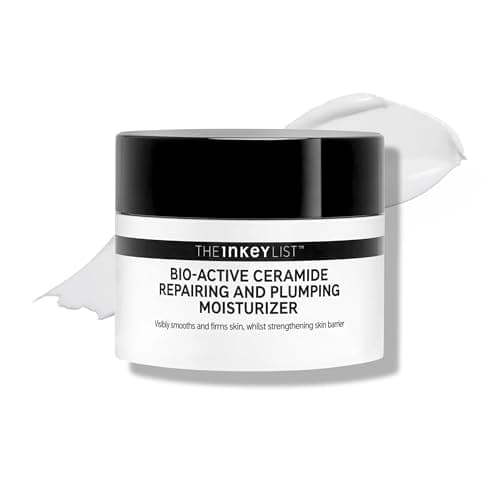
A ceramide cream carries the lipids plus humectants plus a degree of occlusion, all in one step. That combination is what the barrier-recovery literature is built on: the work on optimal ratios of topical stratum corneum lipids is about ceramides delivered with cholesterol and fatty acids, which is a cream problem rather than a serum problem. Creams also tend to be larger and cheaper per ounce, which matters on a product you use twice a day indefinitely.
A ceramide serumgives you a thin, fast-absorbing layer you can put under something else. That is a real benefit in exactly two cases. First, oily or acne-prone skin that finds creams heavy and wants barrier support without the cushion. Second, a layered routine where you want hydration plus a little lipid support before a separate moisturizer or sunscreen — the dewy-finish, multiple-thin-layers approach. Outside those two, the serum is a second product doing part of the job the cream already does.
The head-to-head
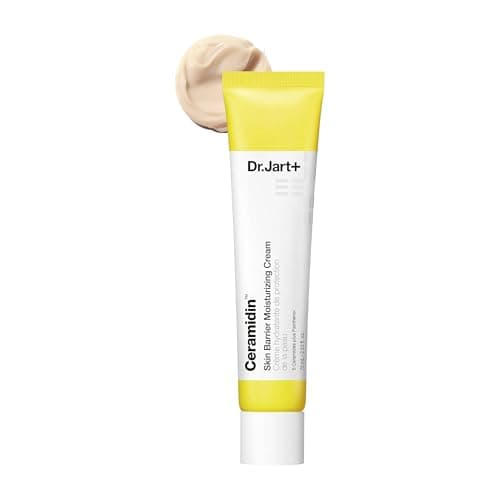
- Depth of ceramide list— cream wins, decisively. Our deepest disclosed lists are the Dr.Jart+ Ceramidin Cream's five-ceramide complex and the Paula's Choice RESIST Barrier Repair five plus cholesterol. The serum discloses one.
- Cost-per-ounce— cream wins. The 19 oz CeraVe tub sets a per-ounce floor nothing in serum format approaches.
- Weight and layerability— serum wins, which is the whole reason the format exists.
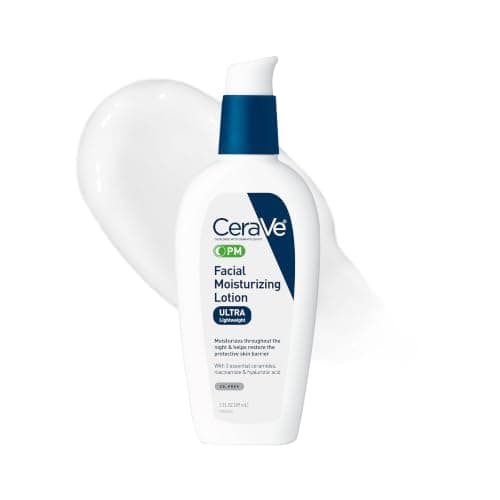
- Suitability for oily skin— serum format wins on paper, but a thinlotion usually beats both: the CeraVe PM lotion is oil-free, carries three ceramides and niacinamide, and costs a fraction of a premium serum.
- Tolerance on reactive skin— cream wins here too, awkwardly for the serum. The Dr.Jart+ serum's published list includes denatured alcohol plus trace geranium, bergamot and sage oils; the drugstore creams are fragrance-free.
Do you need both?
Usually not. Stacking a ceramide serum under a ceramide cream is the most common way people overspend in this category: you are buying the same class of ingredient twice and the cream was already going to deliver it. The case for both is narrow — very dry skin in deep winter, or a dehydrated-but-oily combination where you want the water layer separate from the lipid layer. The full version of that argument, with the order to apply them in, is on do you need both a ceramide serum and a moisturizer.
Which to apply first if you do use both
- Cleanse and leave skin slightly damp.
- Serum first — thinnest texture always goes nearest the skin.
- Wait a moment so the serum is absorbed rather than wet, or the two will pill. See why your moisturizer pills.
- Cream on top, more generously than feels necessary.
- Sunscreen last in the morning.
The general version of that ordering, including where actives fit, is in where ceramides go in your routine.
The option neither side mentions: a lotion
The serum-or-cream framing hides the format that actually solves this for most people who find creams heavy. A ceramide lotion sits between the two: thin and fast-absorbing like a serum, but formulated as a complete moisturizing step like a cream, and usually sold in a far larger bottle than either. Two of the five picks above are lotions for exactly that reason. If your objection to a cream is weight rather than the fact that it is a cream, the lotion is the cheaper and better-disclosed answer than a premium serum — the CeraVe PM lotion carries three named ceramides and niacinamide in a texture that genuinely disappears, and it costs a fraction of what the serum does. The texture ladder across the whole site, from gel-cream to balm, is on ceramide cream vs lotion, and the lightest end is ranked on the gel-cream page. We flag this because “serum vs cream” is how the question gets asked and “lotion” is frequently the honest answer, and a page that only argued the two options in the title would be leaving out the pick we would actually hand someone.
The verdict
Buy the cream. It holds the better ceramide list, the better cost-per-ounce and the better tolerance profile, and it does the whole job in one step. Buy the serum if you have oily skin that genuinely dislikes creams, or if you run a deliberately layered routine and want the lipid step to be weightless — and in the first of those cases price the thin CeraVe lotion against the serum before you commit, because it is the same idea for much less money. If you want this same decision at the level of one brand's two products, that is Dr.Jart+ Ceramidin cream vs serum, and the serum-versus-serum question is on ceramide serum vs vitamin C serum.