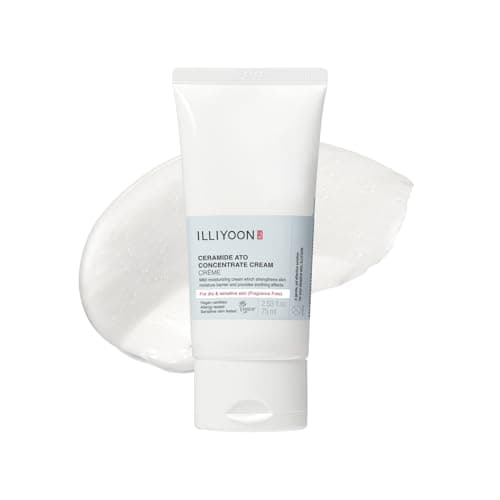
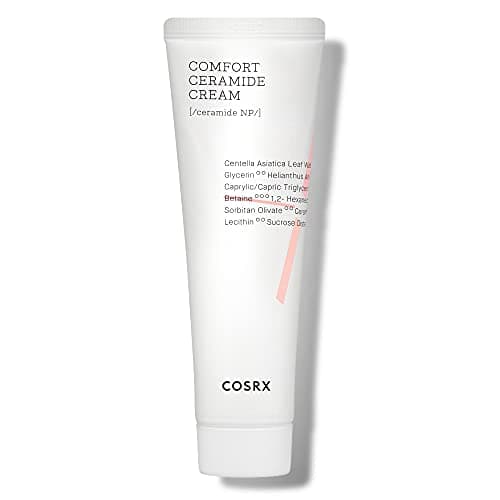
The best ceramide cream for combination skin is COSRX Balancium Comfort Ceramide Cream — a matte-finish ceramide NP balm with a high centella load — for skin that is shiny in the T-zone, tight on the cheeks, and reactive in patches. The budget pick is Illiyoon Ceramide Ato Concentrate Cream, which is richer and cheaper and belongs on the dry zones only. The whole page is organized around that distinction, because combination skin has two legitimate strategies and the shelf never tells you which one you are buying into.
Strategy one: one light product, everywhere. Pick a thin, oil-free lotion, apply it to the whole face, accept that the cheeks are slightly under-served. Simpler, cheaper, and the right answer for most people — the best ceramide moisturizers for combination skin ranks that tier and you should read it first.
Strategy two: a real cream, zone-applied.Buy a cream rich enough to actually fix dry cheeks and simply do not put it on the T-zone. More effective on the dry parts, a slightly fussier two-minute routine, and the strategy this page is for. The ranking criterion below is therefore not “how light is it” but how far toward the nose can you take it before it causes a problem.
Zone map: what goes where
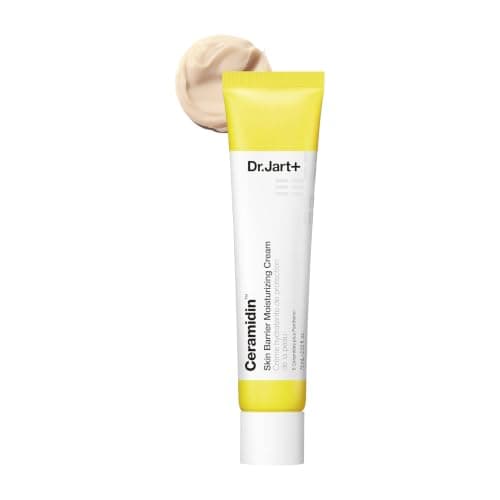
- Cheeks, jaw, around the mouth — the dry zones. Anything on this page works, and the richer the better in winter: Illiyoon, Dr.Jart+, or a night cream.
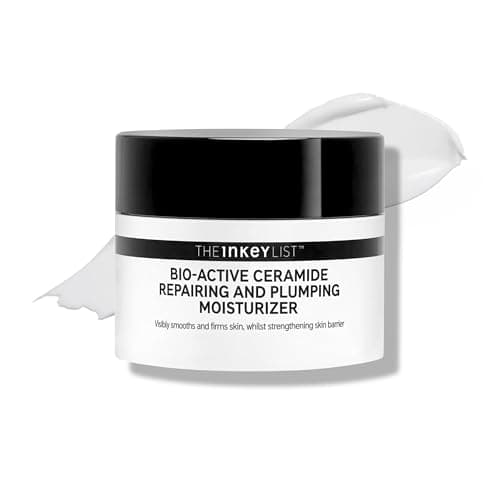
- Forehead edges and temples — usually middle ground. A medium cream like The INKEY List Bio-Active Ceramide is the safe default.
- Nose, inner forehead, chin — the oily zone. Either skip the cream here entirely, or use the one matte-finish pick: COSRX. If your T-zone is the dominant problem rather than a strip, you want the best ceramide creams for oily skin instead.
- Under-eye — thinner skin, different buy. See the best ceramide eye creams.
The night-only shortcut
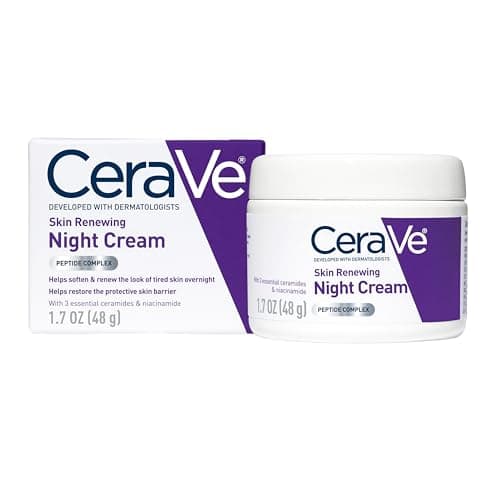
There is a third option almost nobody mentions, and for a lot of combination skin it is the best one: use a light lotion in the morning and a proper cream at night, everywhere. Oil production and shine matter in the daytime, when you are seen and wearing sunscreen and possibly makeup. Overnight, nobody cares about a dewy finish and the barrier does most of its repair work anyway. CeraVe Skin Renewing Night Cream is on this list for that pattern; our morning vs night routine guide sets out the reasoning.
Specs, side by side
| Pick | Best for | Size | Finish | Ceramides disclosed |
|---|
| COSRX Balancium Comfort Ceramide Cream | Whole-face use on combination skin — top pick | 2.82 oz | Matte | Ceramide NP |
| Illiyoon Ceramide Ato Concentrate Cream | Dry cheeks, zone-applied — budget pick | 2.53 oz | Rich, no shine | Ceramide NP (Ato concentrate) |
| The INKEY List Bio-Active Ceramide Moisturizer | The safe middle ground across the whole face | 1.7 oz | Medium | Bio-active ceramides (types not disclosed) |
| CeraVe Skin Renewing Night Cream | Night-only use, with an early-aging angle | 1.7 oz | Rich, overnight | 1, 3, 6-II |
| Dr.Jart+ Ceramidin Cream | Very dry cheeks on an otherwise oily face | 2.53 oz | Very rich | Five ceramides |
How to choose a ceramide cream for combination skin
Finish decides everything, and it is the one thing listings hide
Ceramide content tells you whether a cream can repair; finish tells you whether you will keep using it. For combination skin the useful question is not “is this rich” but “does it dry down”. A matte-finish formula can go everywhere. A dewy one cannot, however good the ingredient list is. That is the whole reason a single-ceramide K-beauty balm outranks a five-ceramide premium cream on this specific page.
Do not buy two full-size products
The classic combination-skin mistake is buying a light lotion and a rich cream in full size and using neither up. Buy one cream, zone-apply it, and if the T-zone genuinely needs something, use a thin layer of whatever lotion you already own rather than a second purchase. Cost-per-ounce only counts when the bottle gets finished.
Shine is not the same as hydration
Oily skin can be dehydrated at the same time — sebum on the surface is a different thing from the lipids holding water in. A T-zone that is shiny by noon and tight by evening is a barrier problem, not an oil problem, and the answer is still a ceramide layer, just a thinner one. Do you need ceramides if you have oily skin takes that apart properly.
Seasonal drift is normal
Combination skin usually moves: more oily in summer, drier in winter. Expect the zone map to change twice a year rather than treating your skin type as a fixed fact, and shift the same cream to a smaller area rather than rebuying. The seasonal routine guide covers what to change and when.