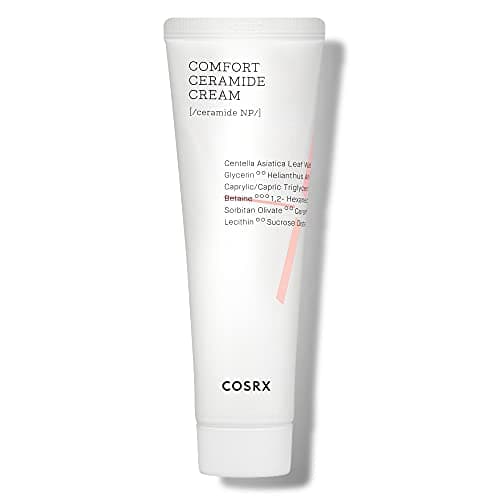
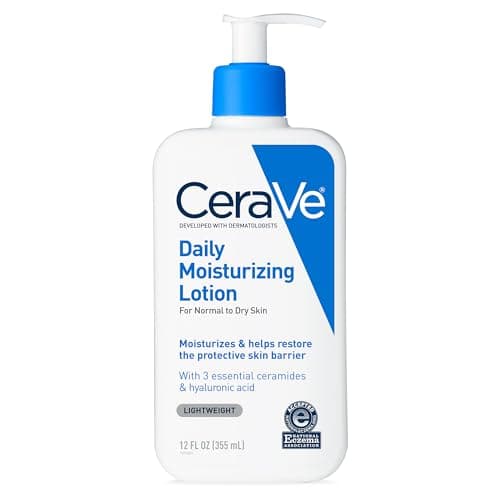
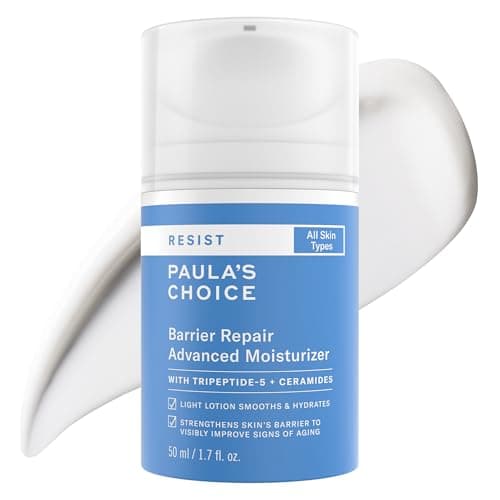
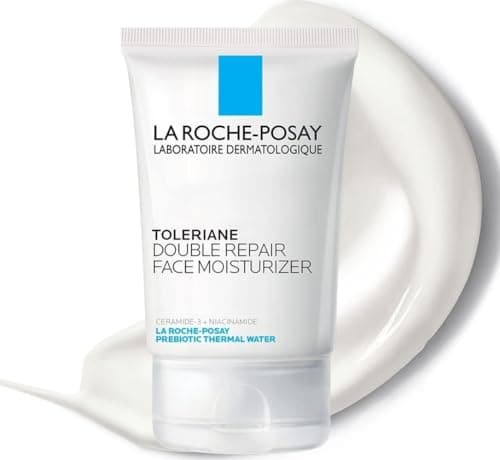
Combination skin is the awkward middle: an oily T-zone that shines by lunch and cheeks that can still feel tight and flaky. The mistake most people make is choosing for one zone and punishing the other — a mattifying gel that leaves the cheeks parched, or a rich cream that slicks the forehead. The right ceramide moisturizer splits the difference: light and oil-free enough for the center of the face, but with the barrier lipids the drier edges are missing.
That is exactly what ceramides do well here. Combination skin is usually a barrier that is uneven rather than broken, so a formula that pairs ceramides with a humectant and a non-greasy finish keeps the whole face comfortable without tipping either zone. Every pick below leans light, and several add niacinamide, which supports the barrier and helps moderate oil at the same time. If your T-zone is genuinely oily rather than just combination, the oily and acne-prone picks go lighter still.
How to choose a moisturizer for combination skin
The goal is one product that works everywhere, so you are not layering two moisturizers on two halves of your face. Here is what actually decides it.
Oil-free, gel-cream textures win
A gel-cream or thin lotion sinks in fast, sits invisibly under sunscreen and makeup, and does not add shine to the T-zone. That rules out the heaviest occlusive creams for daytime — save those for the dry patches at night if you need them. Oil-free does not mean moisture-free: the humectants and ceramides do the hydrating, the missing oils are what keep it from greasing.
Ceramides plus niacinamide is the combination-skin pairing
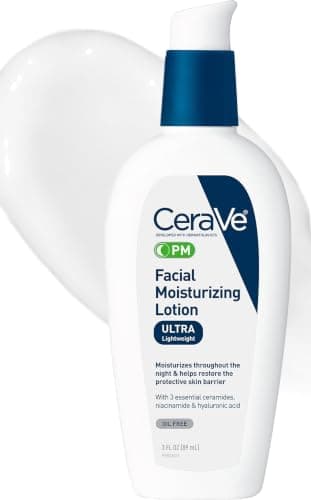
Niacinamide is the multitasker combination skin actually wants: it supports the barrier, and it helps the skin make its own ceramides, which is why several of the best combination-skin picks put the two together. It is the quiet reason the La Roche-Posay and CeraVe PM lotions punch above their weight here. For the full picture on that pairing, see ceramides vs niacinamide.
Treat the zones, not the whole face
If one product genuinely cannot satisfy both zones, the fix is not a fancier moisturizer — it is a light base everywhere plus a thin layer of a richer cream on the dry patches only. That is cheaper and more effective than chasing a single “perfect” product, and it is how most combination skin is best managed.
The whole combination-skin routine, at three budgets
The two-zone approach works better written out in full. We have built the complete combination-skin routine at each budget: the drugstore version, the mid-range version and the premium version, each covering how to treat a shiny T-zone and dry cheeks without buying six products.