The best ceramide moisturizer for oily skin is a thin, oil-free lotion that discloses real ceramides on its ingredient list — not a “mattifying” gel that promises to control shine. Oily skin still has a barrier, and acne treatments (benzoyl peroxide, retinoids, salicylic acid) tear that barrier down, which is precisely when ceramides earn their place. The trick is getting them in a texture that does not feel like a film of grease.
Every pick below is oil-free and non-comedogenic, and leans light: gel-creams and thin lotions that layer under everything. They are ranked on the two things that actually decide the question and that almost nobody else publishes — the ceramide types each formula discloses on its INCI list, and the live cost-per-ounce. Several pair ceramides with niacinamide, which is a genuinely smart combination for barrier support plus oil balance.
If you are also fungal-acne-prone, the fungal-acne-safe guide is the page you want. And if a lotion leaves your skin tight by the afternoon, or you specifically want a matte-finish cream rather than a thin layer, that question is answered separately in the best ceramide creams for oily skin.
Pick in ten seconds
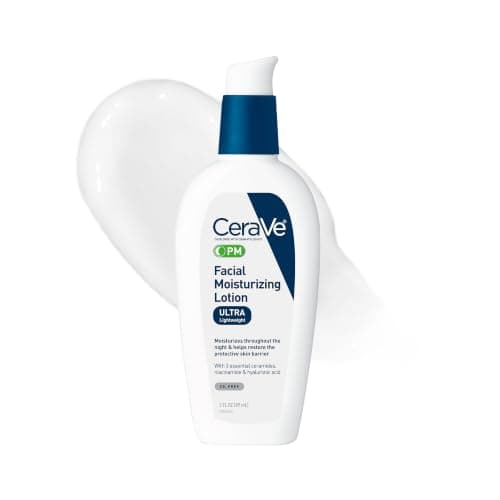
- You want the lightest thing that still has three ceramides: CeraVe PM Facial Moisturizing Lotion.
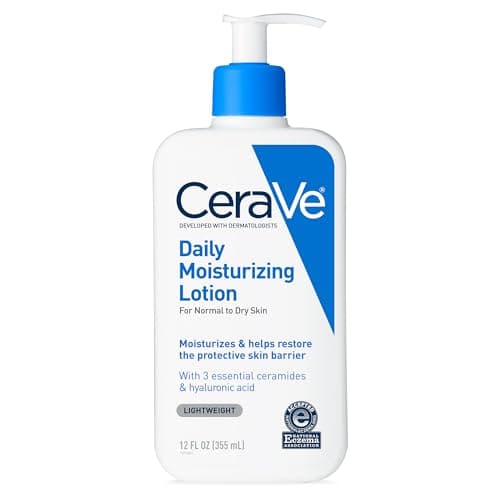
- You want the same three ceramides at the lowest cost per ounce: CeraVe Daily Moisturizing Lotion, in the 12 oz pump.
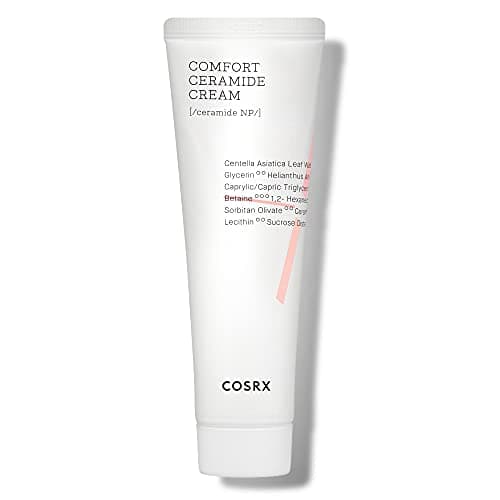
- You want a matte finish and your skin runs red as well as oily: COSRX Balancium Comfort Ceramide Cream.
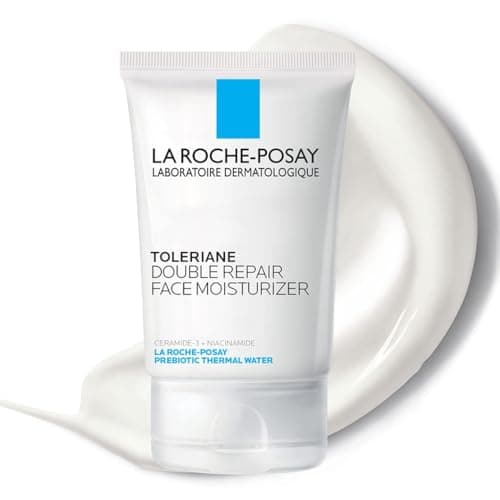
- You are oily and reactive, and fragrance-free is non-negotiable: La Roche-Posay Toleriane Double Repair.
The whole oily-skin routine, at three budgets
For the rest of the routine rather than just the moisturizer, we have written the complete oily and acne-prone routine at each budget: the drugstore version, the mid-range version and the premium version— which is the one that argues hardest against spending more.
How to choose a ceramide moisturizer for oily skin
Oily skin gets sold the wrong product constantly: either something so light it is basically water, or a rich barrier cream written for dry skin with an “oil-control” sticker on the front. Here are the decision factors that actually separate the picks above, roughly in the order they should decide your choice.
1. Texture first — a lotion or gel-cream, not a balm
The single biggest predictor of whether a moisturizer works for oily skin is whether you keep using it. Thin, fast-absorbing lotions and oil-free gel-creams sit under sunscreen and makeup without pilling or sliding. Balms and rich butter-based creams do not, and by week two they are in a drawer. Texture is also why we rank the CeraVe PM lotion above the richer formulas here despite its worse cost-per-ounce: it is the one oily skin tolerates twice a day. If your skin is not just oily but actively breaking out, the serum-and-light-layer version of this ranking is on the best ceramide serums for acne-prone skin, and whether the ceramides do anything for the acne itself is answered on do ceramides help with acne.
2. What “oil-free” and “non-comedogenic” actually promise
“Oil-free” is a formulation fact you can check on the ingredient list — no plant butters, no mineral oil, no heavy esters near the top. “Non-comedogenic” is not a regulated term: it is a manufacturer claim, not a guarantee, and no agency certifies it. We report it where the brand states it and we do not treat it as proof. Judge the ingredient list, not the front of the box.
3. Which ceramides — and whether the barrier trio is there
A formula disclosing several ceramides (the CeraVe trio of 1, 3 and 6-II) is generally a fuller barrier match than one listing a single ceramide NP, and stratum-corneum lipid research points at ratios of ceramides, cholesterol and fatty acids rather than a single lipid doing the work. The COSRX and La Roche-Posay picks each disclose one ceramide type and earn their place on other grounds — finish and tolerability. That trade-off is the reason the Ceramides column exists in the table above; it is the specification the marketing hides. Cleveland Clinic's primer is a good plain-English starting point on what ceramides do.
4. Niacinamide alongside the ceramides
Three of the four picks pair ceramides with niacinamide, and for oily skin that pairing is the most useful thing on the label after the ceramides themselves — published work associates topical niacinamide with improved stratum corneum hydration and structure. It is not an acne treatment and we will not present it as one, but it is a sensible companion ingredient in a barrier product you are wearing over actives.
5. Cost-per-ounce, not sticker price
Oily skin uses moisturizer the same way every other skin type does, so size matters more than the shelf price. A 3 oz bottle at a low sticker price can cost several times more per ounce than a 12 oz pump. The table above computes cost-per-ounce from the live Amazon price every time the page is built, which is why the ranking and the value scoring do not always agree — the light texture can be worth paying a premium for, but you should at least see the premium.
6. Will it survive your acne actives?
If you use benzoyl peroxide, adapalene or a prescription retinoid, the moisturizer is doing repair work, not decoration. Two practical rules: keep the formula fragrance-free so you are not stacking an irritant on already-stressed skin, and apply the ceramide layer either a few minutes after the active has absorbed or, if you are peeling, before it as a buffer. Both CeraVe lotions and the La Roche-Posay gel-cream are fragrance-free and thin enough to work in either position.
7. If the breakouts might not be acne
Small, uniform, itchy bumps across the forehead and chest that never come to a head are often malassezia (fungal) folliculitis rather than acne — DermNet has a clear description of the pattern. It responds to different products, and several fatty-acid and ester ingredients common in moisturizers can feed it. If that sounds like your skin, start with the fungal-acne-safe picks instead of this list.
8. What to skip
- Mattifying claims as a reason to buy. A matte finish is a cosmetic result, usually from silicones or powders. It does not reduce how much oil your skin makes.
- Anything fragranced. Fragrance is the most common avoidable irritant in a routine that already includes actives.
- Skipping moisturizer entirely. Moisturizers work by adding humectants and then slowing water loss (the StatPearls overview is the short version). Leaving the step out does not make skin produce less oil; it usually makes a stripped barrier worse.
- Alcohol-heavy “oil-control” toners layered underneath. They undo the thing you bought the ceramides to do.
The same argument applies from the neck down, and it is a separate shopping decision: oily back and chest skin still loses water through a weak barrier, but will not tolerate a thick body cream. The body-format version of this ranking is on best ceramide body lotion for oily skin.