Dry skin is short of two things: water, and the lipids that keep water from leaving. A serum is very good at the first and usually hopeless at the second, which is why so many people with dry skin buy one, feel better for an hour, and conclude that skincare does not work on them. The fix is not a better serum. It is knowing which of the two problems you have, and then buying a serum that brings lipids with it instead of only water. That is what this ranking measures.
Ceramides make up roughly half the lipid content of the stratum corneum, and the barrier assembles them alongside cholesterol and free fatty acids — Cleveland Clinic's overview of what ceramides do for skin is the short version, and the experimental work on optimal topical lipid ratios is why ratio matters as much as presence. Serums are a hard format for that chemistry: lipids are oils, oils do not dissolve in water, and a watery serum that carries real lipid content has to be engineered rather than mixed. There are only a handful of serums on the US market that manage it, and this page is most of them.
Pick in ten seconds
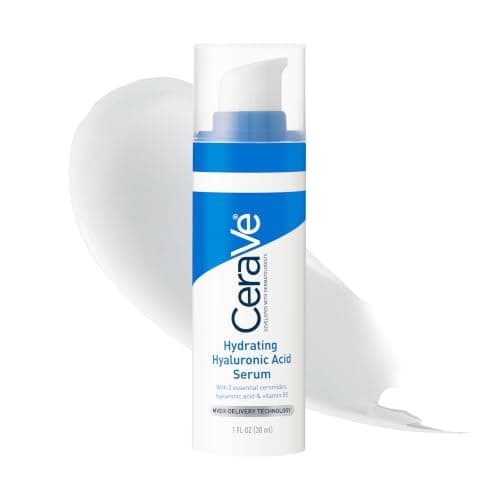
- You want the safe answer — the CeraVe Hyaluronic Acid Serum. Named ceramides, fragrance-free, cheap, stocked everywhere.
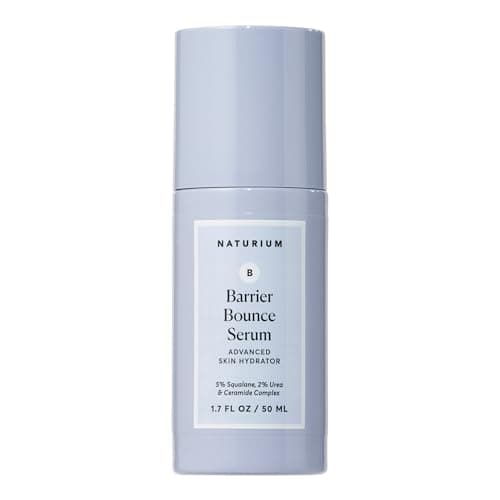
- Your skin flakes and feels tight by midday — the Naturium Barrier Bounce Serum. Squalane and urea on top of a ceramide complex; the closest thing here to a moisturizer.
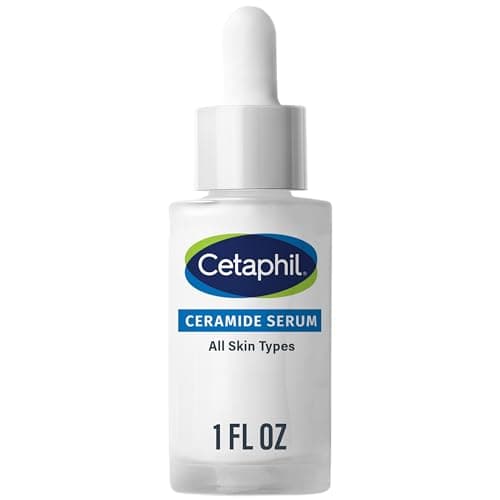
- Dry and reactive — stinging, redness, patch-test failures— the Cetaphil Ceramide Serum, for the centella alongside the ceramides. Check stock before you plan around it.
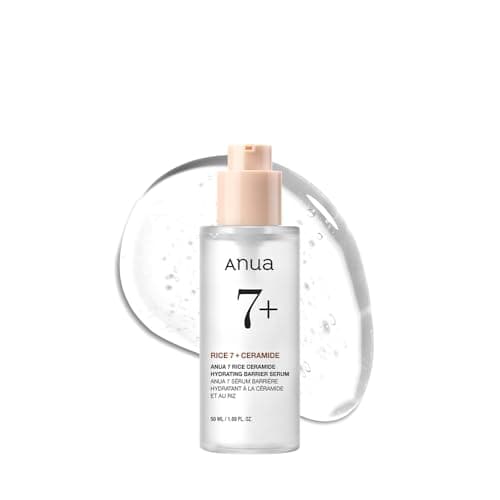
- Dry in winter, oily in summer — the Anua Rice Ceramide 7. Lightest finish that still claims real barrier support.
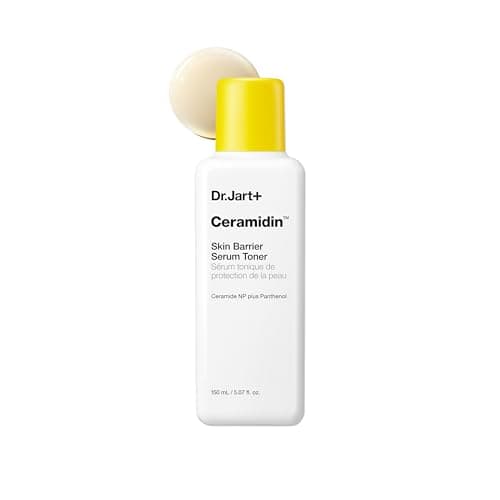
- You want a serum that layers invisibly under a cream — the Dr.Jart+ Ceramidin Serum, with the alcohol caveat in its con list.
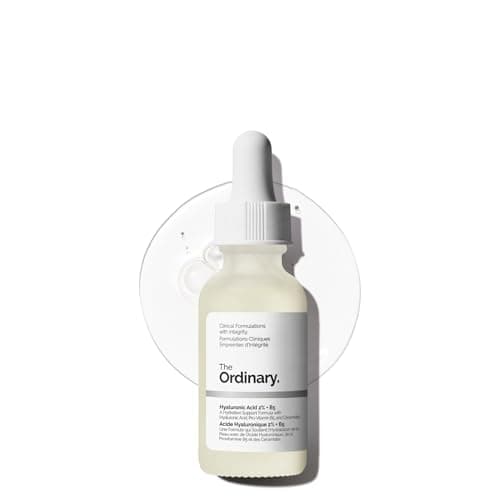
- You want to spend as little as possible — the Ordinary Hyaluronic Acid 2% + B5 with Ceramides. Hydration with a barrier bonus, priced like hydration.
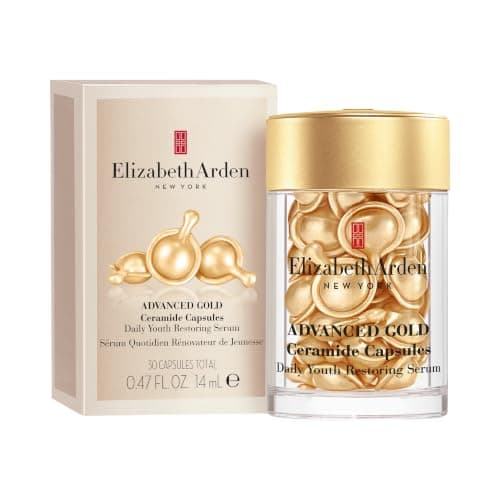
- Your brief is firmness as much as dryness — the Elizabeth Arden Advanced Gold Ceramide Capsules, if the cost per dose does not bother you.
- Your skin is cracked, stinging or peeling right now— buy a cream, not a serum. Start with the best ceramide creams for dry skin.
Dry or dehydrated? The answer changes what you buy
The two words get used interchangeably and they are not the same condition. Dehydrated skin is short of water: it looks dull, feels tight, and plumps up visibly within minutes of a humectant going on. Dry skin is short of lipids: it flakes, it feels rough rather than just tight, and a humectant alone makes it feel worse within an hour because the water you added leaves again and takes some of yours with it. Our dehydrated-skin explainer walks through how to tell which one you have, and why skin can feel dry right after moisturizing is the specific failure mode this page is trying to stop you buying into.
It matters here because four of the seven serums below are primarily humectant serums with ceramides added, and three bring meaningful emollience of their own. If you are dehydrated, the humectant serums are a genuine bargain. If you are properly dry, the ranking order on this page is the order you should read it in, and the honest answer may still be the cream.
How we ranked these
Five things decide a ceramide serum for dry skin, and only the first is about the ceramide.
- Whether the ceramides are named.“With ceramides” is not a specification. Two picks here name types — CeraVe's 1, 3 and 6-II, and Dr.Jart+'s ceramide NP — and the rest say “ceramides” or “ceramide complex” and leave it there. That is not automatically bad, but a named list is information and an unnamed one is a claim, so the scoring separates them. Our guide to reading a ceramide label shows how to check for yourself.
- What else is in the bottle to hold water in. This is where dry skin is won or lost. Squalane, urea, panthenol, glycerin, jojoba and shea all keep the water a humectant pulled in from evaporating straight back off. The StatPearls review of moisturizers is the clearest statement of the humectant / emollient / occlusive division of labor, and a serum that only does the first job will disappoint dry skin every time.
- Fragrance and alcohol.Dry skin is frequently reactive skin. Five of these seven are fragrance-free; the Dr.Jart+ serum carries denatured alcohol and trace essential oils, and the Elizabeth Arden capsules carry fragrance. None of that makes a product bad — it makes it unsuitable for a specific reader, which is what the con lists are for.
- Texture against your actual routine.A serum's whole job is to go under something else. If it pills, rolls or refuses to sit under sunscreen, you will stop using it, and an unused serum repairs nothing. If that is already happening, the fix is in why your moisturizer pills.
- Cost-per-ounce, computed from the live price. Serums are small and frequently sold on how the bottle looks. Every price in the table above is pulled from the live listing and divided by the listed size, which is how a $10 bottle and a $56 box of capsules end up comparable at all.
Why the cheap CeraVe beats the expensive serums
Nothing on this page out-specifies the CeraVe Hyaluronic Acid Serum on the thing the page is about. It names three ceramide types, which the $56 capsules and the $24 oil-serum do not. It is fragrance-free, which half the premium picks are not. It carries panthenol, whose barrier effects are among the better-documented of the common additives — see the dexpanthenol barrier-function trial — and it uses the same MVE delivery system as the CeraVe creams, which is the brand's one genuinely distinctive piece of formulation.
What you pay more for elsewhere is texture, format and a story. The Naturium serum earns its premium honestly, because squalane and urea do something a gel cannot. The Anua serum earns it on finish. The capsules earn it on hygiene and the anti-aging framing. The rest of the price range on this shelf is brand. If that reasoning is new to you, we argue it out in are expensive moisturizers worth it.
The serum that is really a moisturizer, and why it is second
The Naturium Barrier Bounce is a 5% squalane, 2% urea oil-serum with a ceramide complex, and on the driest skin it is the most effectiveproduct on this page. It is second rather than first for two reasons we would rather state than bury. First, it does not say which ceramides are in it, so the headline ingredient of this site is the least transparent part of the formula. Second, a dewy oil-serum is the wrong texture for a meaningful number of readers — under makeup, in summer, on a combination T-zone. Urea is a genuinely useful addition for flaky skin, and we compare the two ingredients directly in ceramides vs urea.
How to layer a ceramide serum so it actually does something
- Cleanse with something that does not strip. If the tightness starts in the shower rather than after it, the problem is upstream of your serum — see the best ceramide body washes and cleansers and skin tightness after cleansing.
- Apply the serum to damp skin. Every humectant on this page works better with water already present; on bone-dry skin a hyaluronic acid serum has nothing local to bind and will pull from deeper in the skin instead.
- Give it thirty seconds, not ten minutes. Our waiting-time guide covers where the real pauses matter, and this is not one of them.
- Seal it. A ceramide serum under nothing, in dry indoor air, is a wasted step. A cream on top is the whole reason the serum keeps working — do you need both a serum and a moisturizer answers the obvious follow-up.
- Mornings: serum, cream, then sunscreen. Evenings: serum, then your richest cream. If firmness is also on your list, the overlap between the two briefs is on the best ceramide creams with peptides.
When not to buy a serum at all
If your skin is cracked, stinging, visibly peeling or raw, close this page and buy a cream. A barrier in that state needs occlusion and lipid replacement in volume, and no serum in any price bracket delivers either — the work on ceramide-enriched lipid mixtures restoring impaired barrier function is about creams, not toners. The American Academy of Dermatology's dry-skin guidance says the same thing in plainer language: ointments and creams, applied to damp skin, in a humidified room.
A serum is an addition to a working routine, not a rescue. Build the routine first — how to build a barrier-repair routine is the step-by-step — and come back for the serum when the cream alone has stopped being enough.
What we would actually buy
The CeraVe serum, and the Naturium one if the skin in question flakes. That is the whole recommendation. Both are under the price of a single Elizabeth Arden month, both are fragrance-free, and between them they cover the two versions of dry skin this page opened with: short of water, and short of lipids. The Cetaphil serum is the one we would hand someone whose skin stings at everything, stock permitting. The Dr.Jart+ serum remains the best texturein the category and is the right buy for a reader who layers a lot and has calm skin. The Ordinary serum is a legitimate $10 purchase that we would not describe as a barrier treatment. And the capsules are a luxury format doing a job a $17 bottle already does — which is a reasonable thing to buy, as long as you know that is what you are buying.
Also worth having · under $40
The small stuff that makes this easier
Two cheap things that make a ceramide serum work better: a soft cloth so you can leave skin damp instead of bone-dry, and a readout telling you whether your room is the reason the hydration keeps vanishing.
None of it repairs a barrier — the moisturizer does that. These are cheap conveniences that make the routine easier to actually keep up.
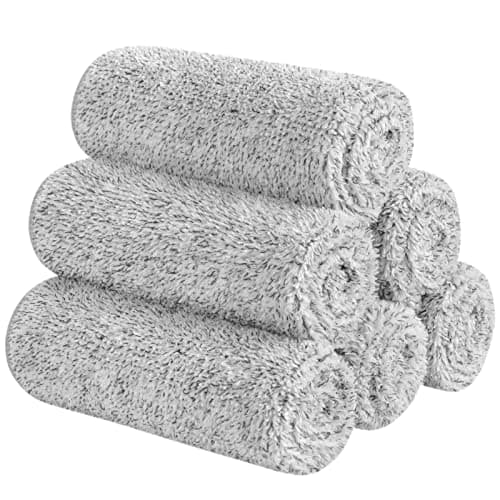
SINLAND Microfiber Face Towels, 12 x 12 in
6 pack
A small, soft, dedicated face cloth makes it easy to blot dry and leave skin slightly damp, which is the state a ceramide moisturizer wants to go on to.
One caveat. Blot, do not scrub. Dragging a cloth across the face is mechanical stress the barrier does not need.
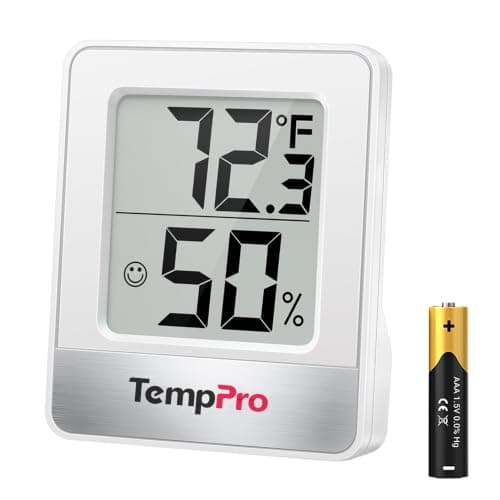
TempPro TP49 Digital Hygrometer
Single unit
We compute cost-per-ounce rather than calling something expensive, and this is the same idea applied to your room: a $9 readout tells you whether the air is actually dry before you buy a humidifier to fix it.
Amazon links, so we may earn a commission at no cost to you — see the affiliate disclosure. We were not given any of these, and nothing here changed which products won this page.