Oily skin gets told it does not need moisturizer, and the advice is wrong in a specific, expensive way. Sebum is oil. The barrier that stops water leaving is built from ceramides, cholesterol and free fatty acids in a structured lipid matrix — a different substance doing a different job. You can produce plenty of surface oil and still be losing water through a barrier that is short of the lipids that hold it together, which is why so many oily readers end up shiny and tight at the same time. Our guide on whether oily skin needs ceramides is the long version of that argument. This page is the shopping list.
A serum is the format that makes most sense here, and it is the only place on this site where we say that. Everywhere else we tell readers that a cream out-repairs a serum, which it does. But oily skin stops using a cream it hates the feel of, and an unused product repairs nothing. A thin, fast-drying ceramide layer you will actually apply twice a day beats a rich one that lives in a drawer. The StatPearls review of moisturizers sets out the humectant / emollient / occlusive division of labor that governs which of those two is true for you, and Cleveland Clinic's overview of what ceramides do for skin is the plainest statement of what the lipid itself is for.
Who this page is for — and who it is not
This page is for skin that is shiny: visible oil by midday, makeup that slides, enlarged pores across the nose and inner cheeks, a T-zone that looks lit from inside under office lighting. It is not for skin that is actively breaking out. Those two conditions overlap in real life but they need different filters: an acne page has to screen for comedogenicity and for ingredients that feed a congested pore, and it ends up ranking a different set of products in a different order. That page already exists — the best ceramide serums for acne-prone skin — and if you have active papules or pustules right now, read it instead of this one.
And if the bumps are small, uniform, itchy and clustered on the forehead or chest rather than inflamed and individual, you may be looking at malassezia folliculitis rather than acne at all. DermNet's page on malassezia folliculitis describes the pattern, and our fungal-acne-safe serum picksscreen for the esters and fatty acids that feed it. Buying the wrong page's product is the most common way this category wastes money.
Pick in ten seconds
How we ranked these
Five criteria decide a ceramide serum for oily skin, and the ceramide list is only the third of them. That ordering is deliberate: on this skin type, the product you keep using matters more than the product that scores best on paper.
- Finish, first. Matte to neutral wins; dewy loses. This is the criterion that reorders the entire serum shelf relative to our dry-skin ranking, where the richest serum came second and the lightest came fourth. Here it is the exact reverse. A serum that leaves a film is the wrong product for a reader whose complaint is already a film.
- Oil-free, and genuinely so.Several otherwise excellent ceramide serums carry squalane, jojoba or shea to deliver their lipids, which works beautifully on dry skin and reads as grease on oily skin. We checked each listing for oils rather than trusting the word “lightweight” in the marketing copy.
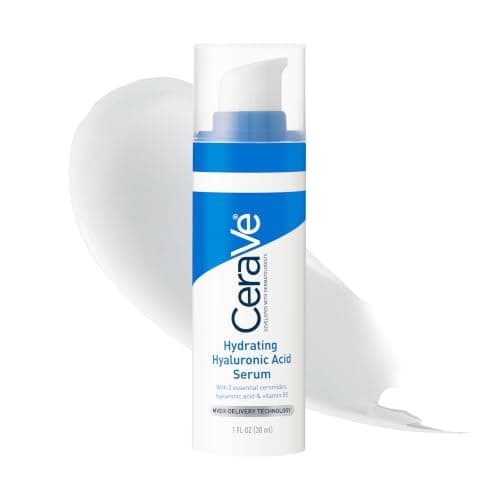
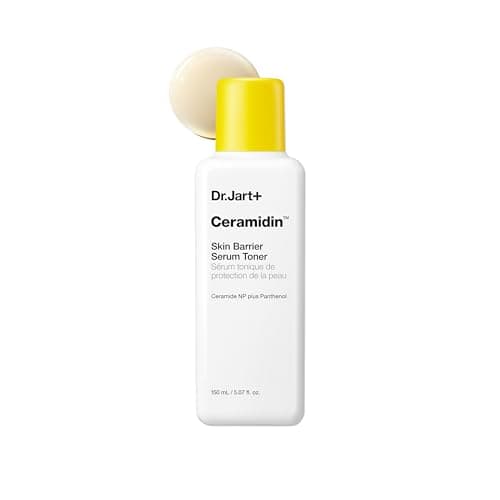
- Whether the ceramides are named.“With ceramides” is a claim; “ceramides 1, 3 and 6-II” is information. Only one pick here names types — CeraVe's hyaluronic acid serum — and one names a single type (Dr.Jart+'s ceramide NP). The rest say “ceramides” or name a brand complex and stop. Our guide to reading a ceramide label shows how to check any bottle yourself.
- What else is in the bottle that oily skin specifically wants. Niacinamide is the big one: the published work on niacinamide and stratum corneum hydration and structure is why four of these seven carry it. If niacinamide does not agree with you — and for a minority of readers it genuinely does not — our niacinamide-free picks are the route around it.
- Cost-per-ounce, computed from the live price. Every figure in the table above comes from the live listing divided by the listed size, refreshed daily. Serums are small and sold on how the bottle looks, so this is the only honest way to compare a $10 dropper with a $34 one.
Why niacinamide keeps showing up
Four of the seven picks carry niacinamide, and that is not a coincidence or a trend. It is the one common cosmetic ingredient with published support for both halves of the oily-skin problem: it is associated with improved stratum corneum structure and hydration, and it has a plausible, if more modest, effect on sebum and the look of pores. Pairing it with ceramides is formulation logic rather than marketing — one ingredient supports the lipid matrix structurally, the other works on how the skin behaves. We argue the two against each other directly in ceramides vs niacinamide, and the short version is that you want both and they cost nothing extra together.
The two serums we deliberately left off
Our highest-rated serum for very dry skin, the Naturium Barrier Bounce, does not appear on this page at all. It is a 5% squalane and 2% urea oil-serum — a genuinely excellent product whose entire design goal is to leave a dewy film behind. On flaky skin that is the point. On oily skin it is the complaint. Leaving a product we rank highly elsewhere off a page is the honest consequence of ranking by finish first.
The Elizabeth Arden Advanced Gold Ceramide Capsules are off for a different reason: they carry fragrance, the cost per dose is in another league, and the whole proposition is anti-aging rather than oil control. Neither exclusion is a quality judgment. Both are products built for a reader who is not you.
How to use a ceramide serum on oily skin without feeling greasy
- Cleanse once, gently, twice a day.The reflex on oily skin is to strip, and stripping is what turns oily skin into oily-and-tight skin. If your face feels squeaky after washing, the cleanser is the problem — see skin tightness after cleansing.
- Apply to damp skin, and use less than you think.Three or four drops covers a face. Oily skin that reports a serum “feels heavy” has usually used three times the dose.
- Wait thirty seconds, not ten minutes. Our waiting-time guide covers where the real pauses matter; between a serum and a gel moisturizer is not one of them.
- Then put something over it anyway.A serum with no occlusion above it in dry indoor air is half a step. On oily skin that something should be a gel-cream, not a balm — our oily-skin cream picks are the shortlist, and do you need both a serum and a moisturizer answers the obvious objection.
- Mornings: serum, gel-cream, sunscreen.If makeup is sliding by lunchtime, the fix is usually the order and the dose rather than the products — using a ceramide moisturizer under makeup covers it.
If you are adding an active, add one
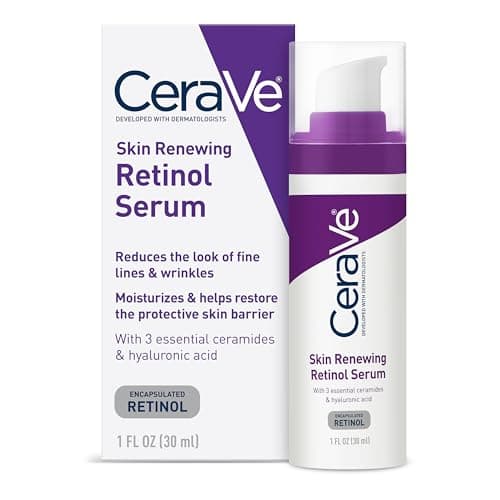
Two picks here are actives-led, and both reward patience. The encapsulated retinol serum is the better long-term answer for pores and rough texture, and the research on facilitating facial retinization through barrier improvement is exactly why a retinoid that carries its own ceramides is a smarter purchase than a retinoid alone: barrier support is what makes the retinization period survivable. Measurable water loss rises during that adjustment, which the work on retinoid-induced changes in the stratum corneum documents, and it is the reason people quit in week three.
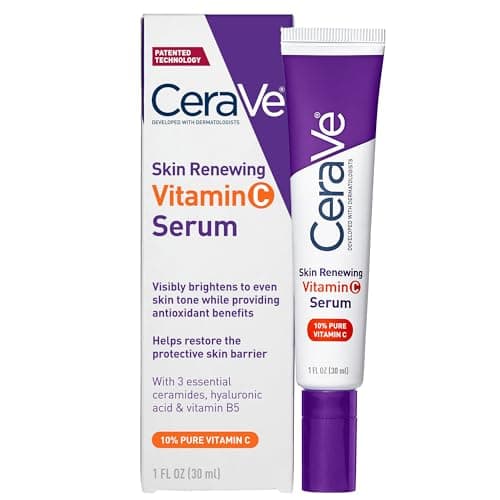
The vitamin C serum answers a different brief — the brown marks left behind after a breakout has healed, not the breakout. Do not start both in the same month. Our ingredient pairing chart has the combinations worth avoiding, and ceramides and retinol together plus ceramides and vitamin C cover the layering order for each.
What we would actually buy
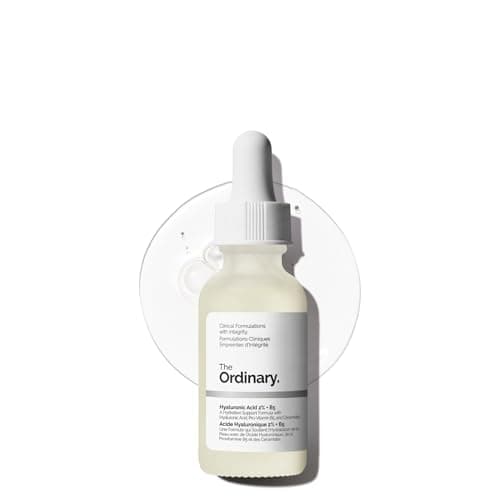
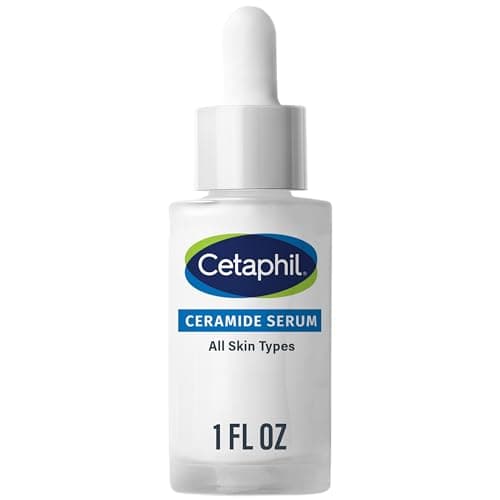
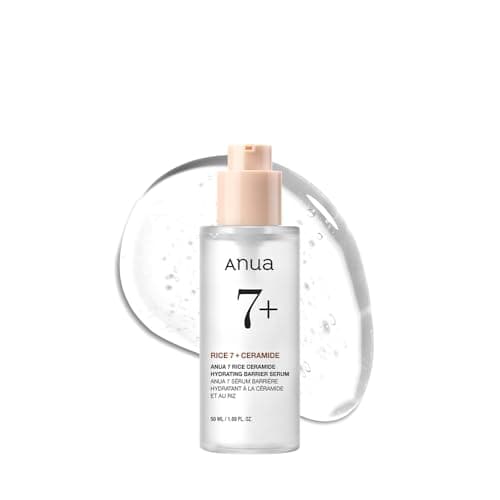
The Anua serum, and the CeraVe hyaluronic acid serum if you want the ceramide list spelled out. That is the whole recommendation, and both sit at the cheap end of this page. The Dr.Jart+ serum is the best texturein the category and the right buy for a reader who layers heavily and has calm skin, denatured alcohol notwithstanding. The two CeraVe actives serums are purchases for a specific second problem — pores, or marks — and should be bought after the barrier step is boring and working, not instead of it. The Ordinary serum is a legitimate cheap hydration step that we would not call a barrier treatment. And the Cetaphil serum is what we would hand someone whose skin is both shiny and reactive, when it is in stock.
If none of that appeals because you would rather own one product than two, that is a reasonable position and the answer is a gel-cream rather than a serum. We rank those at best ceramide creams for oily skin and best ceramide moisturizers for oily and acne-prone skin, and the format argument itself is settled in ceramide serum vs cream.
Also worth having · under $40
The small stuff that makes this easier
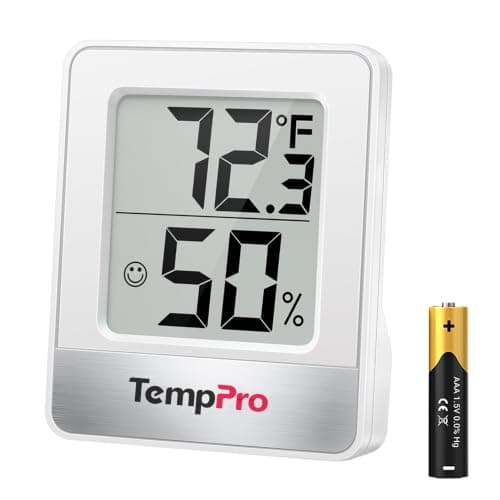
Two cheap things that make a light serum behave on oily skin: soft cloths so you can leave skin damp rather than bone-dry before you apply, and a readout telling you whether your room is the reason your skin keeps overcompensating.
None of it repairs a barrier — the moisturizer does that. These are cheap conveniences that make the routine easier to actually keep up.
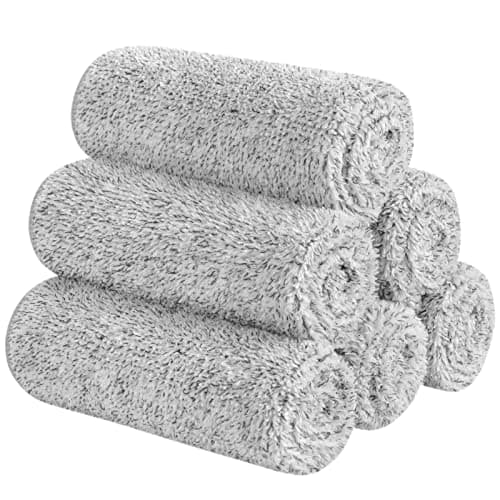
SINLAND Microfiber Face Towels, 12 x 12 in
6 pack
A small, soft, dedicated face cloth makes it easy to blot dry and leave skin slightly damp, which is the state a ceramide moisturizer wants to go on to.
One caveat. Blot, do not scrub. Dragging a cloth across the face is mechanical stress the barrier does not need.
TempPro TP49 Digital Hygrometer
Single unit
We compute cost-per-ounce rather than calling something expensive, and this is the same idea applied to your room: a $9 readout tells you whether the air is actually dry before you buy a humidifier to fix it.
Amazon links, so we may earn a commission at no cost to you — see the affiliate disclosure. We were not given any of these, and nothing here changed which products won this page.