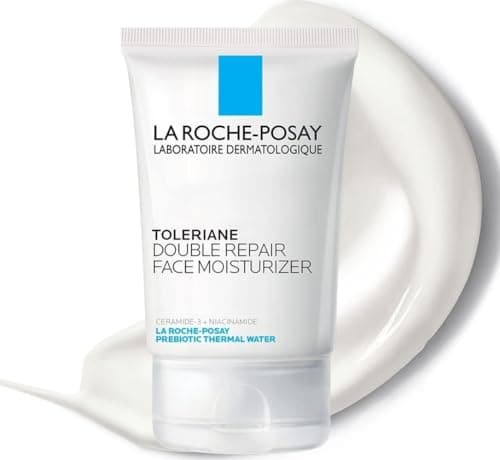
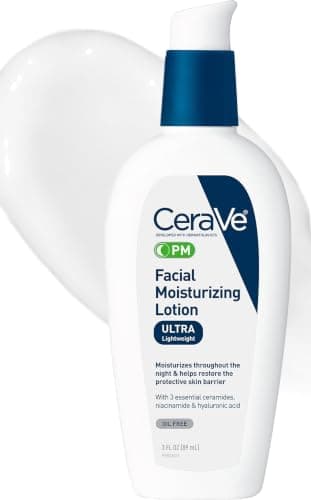
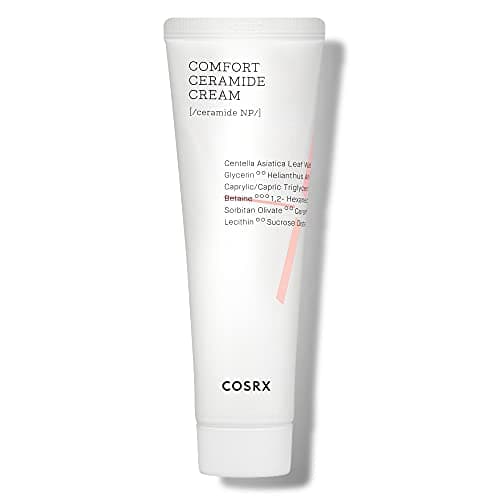
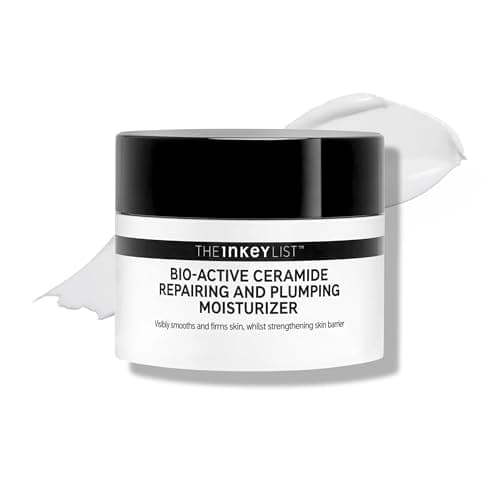
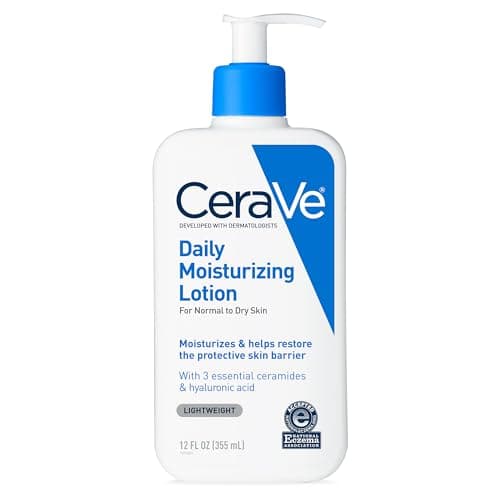
Summer flips the moisturizer problem on its head. Where winter wants a rich, sealing cream, heat and humidity want the lightest barrier support that will still hold — because a thick occlusive that felt comforting in January feels like a greasy film in July, especially once sweat and sunscreen are in the mix. The mistake people make is deciding that summer skin needs no moisturizer at all, then wondering why it turns oily, congested, and paradoxically dehydrated. The right move is not to skip the seal but to lighten it: an oil-free, fast-absorbing ceramide lotion or gel-cream that supports the barrier without weight. These are the picks that do exactly that, ranked on the two things that decide a barrier product — the ceramide types it discloses and its cost-per-ounce.
What changes in summer is texture, not strategy. The barrier still needs its ceramides; it just wants them delivered in something that disappears into the skin. Every pick below is light, oil-free or fast-absorbing, and layers cleanly under the sunscreen that matters most in the sun. If your skin runs oily year-round, the deeper oily and acne-prone roundup overlaps heavily with this one; if you are switching seasons, the seasonal ceramide routine guide covers the wider swap.
What makes a moisturizer a summer moisturizer
A good summer ceramide moisturizer does the same core job as any moisturizer — combining humectants, emollients, and occlusives, as the reference on how moisturizers work lays out — but weighted toward the lighter, humectant end rather than the heavy occlusive end. In humid heat the air is not aggressively pulling water out of your skin the way cold, dry winter air does, so you can lean on a thinner formula that draws in and holds water without a thick sealing film. The ceramides are still what make it repairing rather than merely hydrating: they restock the barrier lipids that summer stressors — sun, sweat, air conditioning, extra cleansing — quietly deplete.
Why oily skin still needs it in summer
It feels counterintuitive to moisturize skin that is already shiny, but summer is exactly when the strip-and-overproduce cycle kicks in. More washing, more sunscreen reapplication, sometimes a stronger acne routine — all of it can strip the barrier and push oily skin to make even more oil in response. A light ceramide layer supports the barrier so skin has less reason to overcompensate. Sebum, remember, is not the same as barrier ceramides, a point we make in full in do you need ceramides if you have oily skin. Shiny and stripped can absolutely coexist.
Watch for summer dehydration
Heat, sun, and air conditioning can leave skin dehydrated — short on water — even as it looks oily. That is a water problem, not an oil problem, and the fix is a light humectant layer sealed by a lightweight ceramide lotion rather than a heavy cream. Our guide to ceramide moisturizers for dry skin covers the richer end; in summer you want the same seal-it-in logic in a thinner form.
Sunscreen is the real summer step
No summer routine is complete without it, and it goes on last. Apply your light ceramide moisturizer, let it settle, then finish with sunscreen every morning — the order and reasoning are in ceramides and sunscreen. UV is the single biggest thing undermining the barrier in summer, so the moisturizer supports and the sunscreen protects; you want both, not one or the other.
Why cost-per-ounce still matters
Light lotions get used generously and often in summer — face, neck, sometimes arms — so a low cost-per-ounce keeps a daily habit affordable. We compute it live on every pick, which is why a big-pump drugstore lotion keeps winning the value argument even against pricier gel-creams that feel a touch more refined.