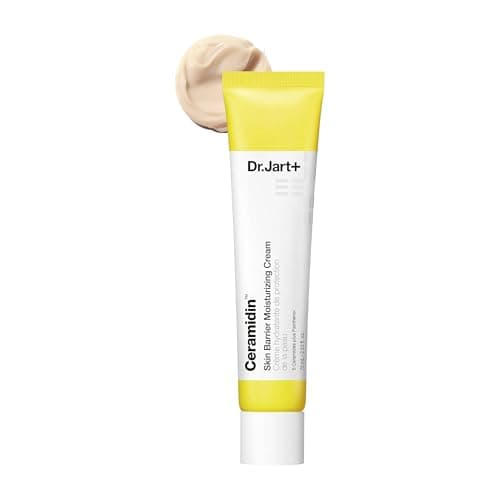
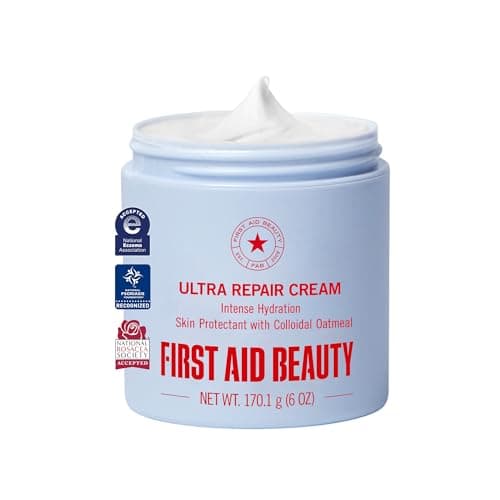
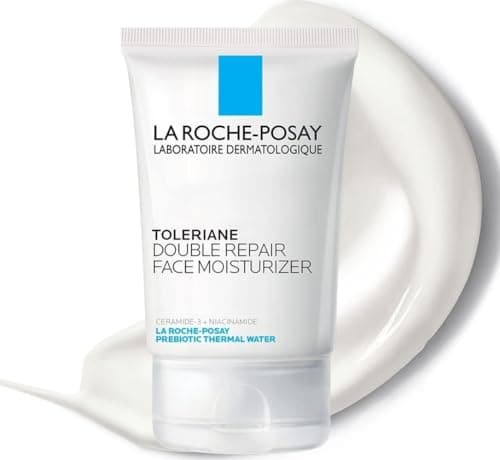
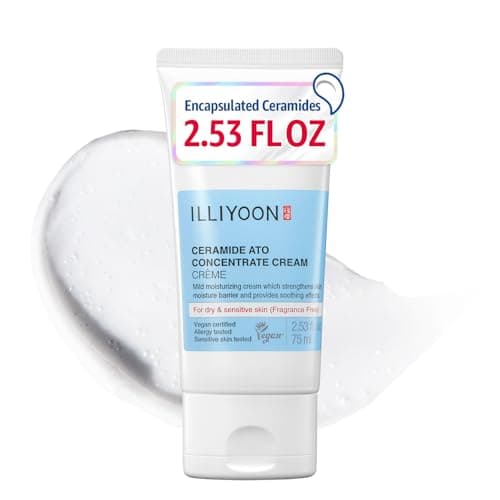
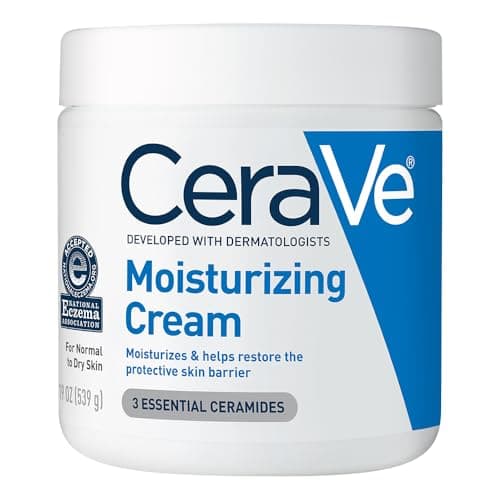
Winter is when a barrier that coasts through the rest of the year suddenly starts complaining. Cold outdoor air holds very little moisture, indoor heating dries the air further, and wind strips water off the skin faster than a stressed barrier can replace it. The result is the familiar seasonal cluster — tightness, flaking, new sensitivity, a lost glow. The fix is not a different ingredient but a richer, more sealing version of the one that already works: ceramides, in a formula heavy enough to hold water in against the weather. These are the picks that do exactly that, ranked on the two things that decide a barrier product — the ceramide types it discloses and its cost-per-ounce.
What changes in winter is texture, not strategy. In summer a light lotion is plenty; in winter the same skin wants a cream with more occlusion so the water you put in stays in. Every pick below is richer than the everyday defaults, fragrance-conscious, and gentle enough for the reactivity that cold weather brings on. If your skin is fine most of the year and only struggles in the cold months, that is a classic sign of a barrier running close to the edge — our guide to the signs of a damaged skin barrier explains how to read it, and the seasonal ceramide routine covers the wider switch.
What makes a moisturizer a winter moisturizer
A good winter ceramide cream does three things at once, which is the same trio that defines any strong moisturizer, just weighted heavier toward the sealing end. It uses humectants to draw water into the skin, emollients to smooth the surface, and occlusives to lock the moisture in — the framework laid out in the reference on how moisturizers work. In summer you can lean on the humectant side; in winter the occlusive side earns its keep, because the air around you is actively pulling water out. Ceramides are what make the seal repairing rather than merely greasy: they restock the barrier lipids the cold is depleting, so the wall rebuilds even as it holds water in.
How to layer for the cold
The single most effective winter move costs nothing: apply your moisturizer to slightly damp skin. Water on the surface plus a sealing cream on top traps far more moisture than cream on bone-dry skin, and it is the whole idea behind the moisturizer-sandwich approach. For very tight skin, add a hydrating layer first — a hyaluronic-acid serum or an essence on damp skin — then seal with one of the creams here. At night, when there is nothing to layer on top, reach for the richest formula you own; the skin does its repair work while you sleep, and a heavy cream has hours to act. Where exactly the moisturizer falls in the order is covered in where ceramides go in your routine.
Do not skip daytime sunscreen
Winter sun, especially off snow, still reaches the skin, and a barrier that is already stressed by the cold does not need UV on top. Keep sunscreen in the morning routine year-round, layered over your ceramide moisturizer. It is the least glamorous step and the one most people drop in winter, to their skin's cost.
When to reach for a balm or slugging
On the harshest days — sub-zero wind, a ski trip, chapped patches that will not settle — a cream may not be enough on its own. That is when a thin occlusive layer over your ceramide cream, or an overnight balm, earns its place. It is the coldest-weather version of the same seal-it-in logic, and our primer on ceramides and slugging explains how to do it without clogging your skin. For everything below the neck, where winter dryness is often worst, a big-bottle ceramide body lotion handles the job cheaply.
Why cost-per-ounce still matters in winter
You use more product in the cold months — heavier layers, more frequent reapplication, often on hands and neck too — so a low cost-per-ounce matters even more than usual. We compute it live on every pick, which is why a big-tub drugstore cream keeps winning the value argument even against pricier formulas that feel a touch more luxurious.
Going deeper on winter
The winter cluster goes deeper than this page can. The mechanism is in does cold weather damage your skin barrier, the practical swap list is in how to winterize your skincare routine, the habits that make a cold season worse are in winter skincare mistakes, the number a humidifier should be aiming at is in the best humidity level for skin, and the seasonal trend everyone asks about is judged head-to-head in slugging vs a ceramide cream.