Combination skin is not a third skin type so much as two skin types sharing a face: an oily T-zone that shines by lunchtime and cheeks that go tight and flaky the moment the weather turns. The mistake is trying to solve both with one perfectly balanced product, which generally means a compromise that suits neither. The drugstore fix is simple and cheap: a light ceramide lotion everywhere, and a richer ceramide cream applied only where the dryness actually is. Two products, both inexpensive per ounce, and no need to buy a “for combination skin” formula at a markup. Prices and cost-per-ounce below are pulled live.
This is the entry tier of our three combination-skin routine builders. The mid-range combination routine buys a better finish across both zones, and the premium combination routine is where a serum-plus-cream split starts to make sense. The moisturizer field on its own is in best ceramide moisturizers for combination skin.
The zone trick, in one paragraph
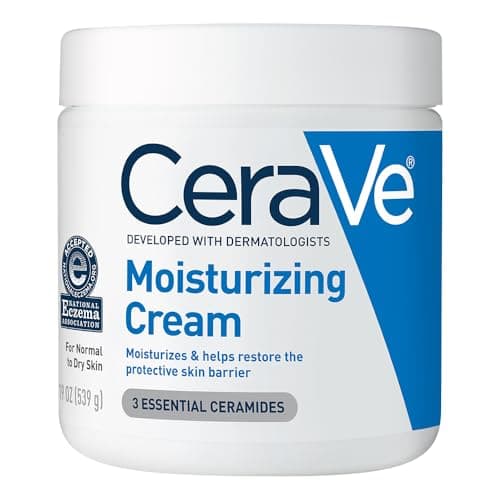
Apply the light lotion to your whole face. Then, before it sets, press a little of the richer cream onto the areas that actually go dry — usually cheeks, around the nose, sometimes the jawline — and leave the T-zone alone. That is the entire technique. It costs nothing, it uses two products you would buy anyway, and it beats any single “balancing” formula because it treats each zone for what it is rather than averaging them.
The morning routine, step by step
- Gentle wash or rinse. A stripping foaming cleanser makes the dry zones worse without making the oily zone better. Keep it mild.
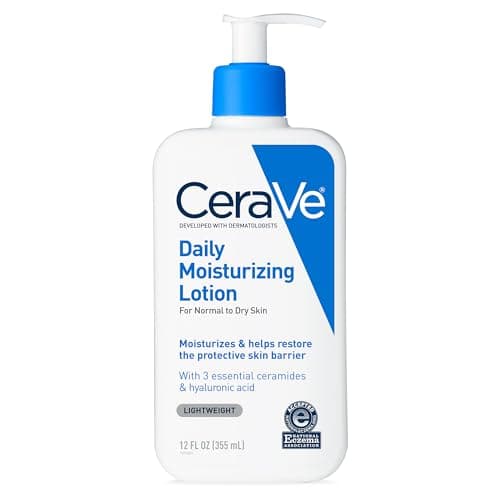
- Light ceramide lotion, whole face, on damp skin.The CeraVe Daily Moisturizing Lotion is the workhorse here — light enough for the T-zone, hydrating enough for the cheeks.
- Richer cream on the dry zones only. A small amount, pressed rather than rubbed in.
- Sunscreen over everything. Give the previous layers a minute so nothing pills.
The night routine, step by step
- Cleanse properly. Sunscreen and makeup off, gently, once.
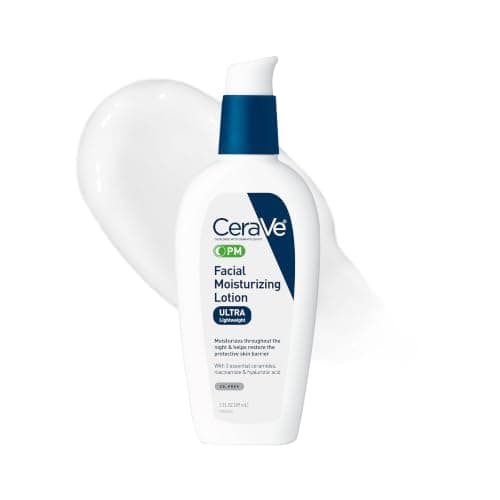
- CeraVe PM lotion over the whole face. Oil-free and weightless, which is what the T-zone wants overnight.
- The rich cream on the dry zones. Same zone trick as the morning, heavier hand. This is where flaky cheeks recover.
Why one perfectly balanced product does not exist
Every moisturizer sits somewhere on a scale from light to occlusive, and combination skin needs two different points on that scale at once. A product marketed for combination skin just picks the middle, which is often too heavy for the T-zone and too thin for the cheeks. Splitting the job across two inexpensive products is not more complicated in practice — it is one extra dab — and it works considerably better. It also means you can shift the balance by season without buying anything new, which is the whole idea behind adjusting your routine for the seasons.
What to skip
- Toners aimed at the T-zone. Alcohol-based ones strip the dry zones too, because you cannot apply a toner to only half a face reliably.
- Daily exfoliating acids. Combination skin usually flakes on the cheeks because the barrier is depleted, not because it needs sanding.
- Blotting-and-rewashing cycles.Blot the shine if you want — do not wash again at lunchtime.
Where the drugstore wins
The zone approach needs two products rather than one, which makes cost-per-ounce doubly important. Two cheap products used correctly outperform one expensive product used as a compromise, and the drugstore aisle happens to sell both ends of the scale — a proper light lotion and a proper rich cream — at the lowest cost-per-ounce on the market. This is a case where the budget answer is also the technically better one.
The honest limit
Cosmetic barrier support, nothing more. If the dry zones stay flaky, red or itchy no matter how consistently you use a gentle routine, or if the oily zone has persistent inflamed breakouts, those are questions for a doctor or dermatologist. A routine can make skin comfortable; it does not diagnose or treat anything.