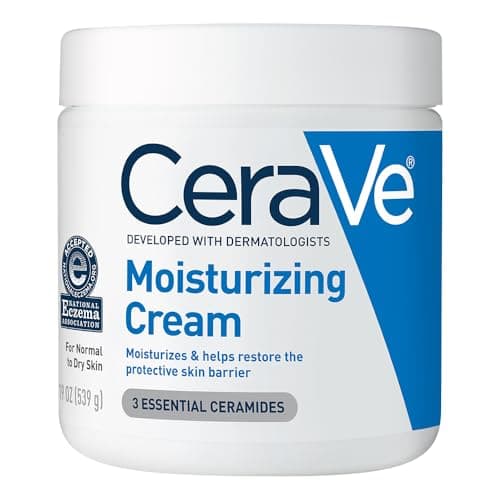
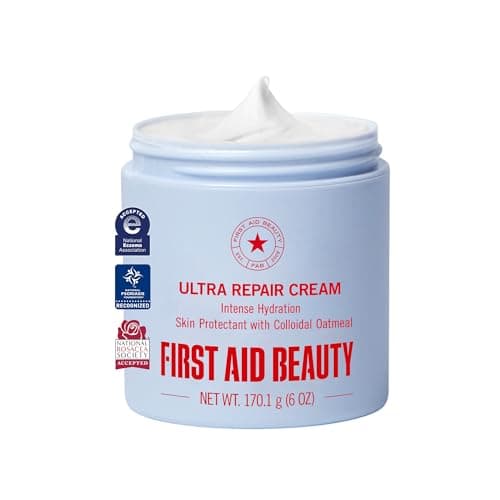
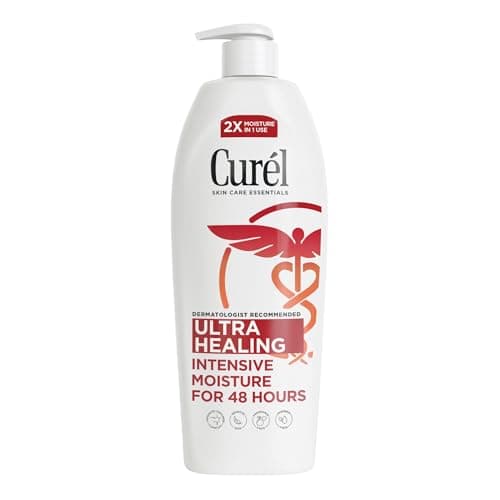
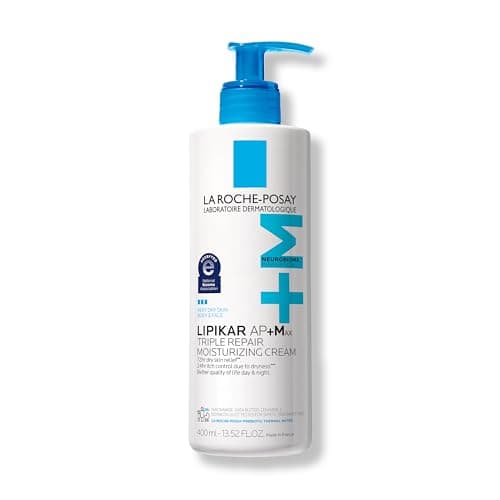
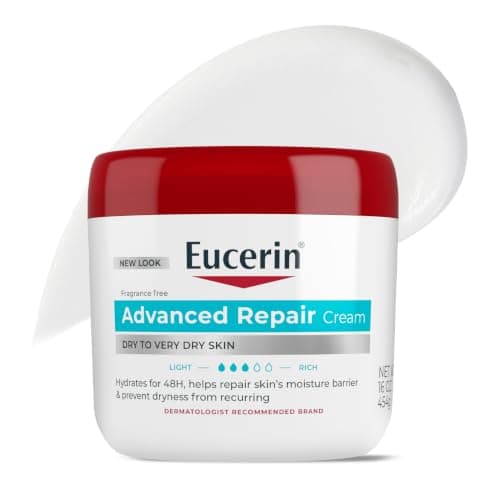
Winter is brutal on the body. Cold outdoor air holds little moisture, indoor heating dries the air further, hot showers strip lipids, and the skin below the neck — shins, arms, back, hands — gets the worst of it, turning tight, flaky, ashy, and sometimes itchy. Face skin gets attention; winter body skin gets neglected until it cracks. The fix is the same strategy as the face in a bigger, richer form: ceramides to rebuild the barrier the cold depletes, in a formula heavy enough to seal moisture in against the weather. These are the picks that do exactly that, ranked on the two things that decide a barrier product — the ceramide types disclosed and the cost-per-ounce, which matters even more on the body because you use so much more.
What changes in winter is richness and how you apply it. A light summer body lotion is not enough when the air is actively pulling water out; you want a richer cream or a sealing balm, applied to damp skin right after a lukewarm (not hot) shower. Every pick below leans richer and is fragrance-conscious for the reactivity cold weather brings on. For the face side of the seasonal switch, see the winter face picks and the wider seasonal ceramide routine.
What winter body skin needs
A good winter body product does the standard moisturizer job — humectants to draw water in, emollients to soften, occlusives to seal — as the reference on how moisturizers work describes, just weighted heavily toward the sealing end because winter air is relentless. Ceramides are what make that seal repairing rather than merely greasy: they restock the barrier lipids the cold strips out. For genuinely rough, scaly winter patches — shins and elbows especially — a urea-and-ceramide cream both hydrates and gently smooths, which is why the Eucerin ceramide-urea cream leads here.
Apply to damp skin after a lukewarm shower
The highest-impact winter habit costs nothing: moisturize within a minute or two of getting out of the shower, while skin is still damp, so the cream traps the water on the surface. And keep the water lukewarm rather than hot — hot water strips more than any single ingredient, and dermatologists specifically recommend shorter, cooler showers and moisturizing straight after in the American Academy of Dermatology's dry-skin tips. A rich ceramide cream on damp skin does far more than the same cream on bone-dry skin hours later.
When winter dryness turns itchy
Cold-weather dryness can tip into the itchy, flaring skin often called winter itch, and eczema-prone skin flares hardest in the cold months. That is where a soothing, colloidal-oatmeal-and-ceramide cream earns its place, and where a rich barrier balm helps overnight. If itch and flares are your main winter problem, our eczema body picks go deeper; persistent, severe, or spreading irritation is a reason to see a dermatologist rather than keep layering cream.
A note on the balm pick
We include La Roche-Posay Lipikar Balm because it is a genuinely effective, popular winter body balm — but honestly: it leans on shea butter and niacinamide rather than a disclosed ceramide blend, so it is here as a rich barrier balm, not a ceramide showcase. If ceramides specifically are your goal, the Eucerin ceramide-urea cream or a Curel ceramide lotion are the on-target choices; if you just want a comforting occlusive seal for the worst winter patches, the balm delivers.
Why cost-per-ounce rules the body
Nowhere does cost-per-ounce matter more than winter body care — you apply it over large areas, often twice a day, through the whole dry season. We compute it live on every pick, which is why a big-jar or big-pump drugstore formula usually wins the value argument, and why buying by the sticker price is a mistake here.
Going deeper on winter
The winter cluster goes deeper than this page can. The mechanism is in does cold weather damage your skin barrier, the practical swap list is in how to winterize your skincare routine, the habits that make a cold season worse are in winter skincare mistakes, the number a humidifier should be aiming at is in the best humidity level for skin, and the seasonal trend everyone asks about is judged head-to-head in slugging vs a ceramide cream.