Feet are a special case. Heels and soles get dry, thick, and rough because the skin there is under constant pressure and friction and tends to hold on to dead surface cells, and when that thickened skin dries out it can split into painful cracks. Plain hydration helps, but feet often need a bit more — something that both adds moisture and gently smooths the built-up roughness. That is exactly what a ceramide-plus-urea cream does, and it is why urea formulas lead this roundup: urea hydrates and helps soften rough, scaly skin at once, while ceramides support the barrier so smoothing does not come at the barrier's expense. These are the picks for dry, rough, cracked feet, ranked on ceramide type and cost-per-ounce — with an honest caveat about broken skin below.
A quick boundary before we start: this is dry-skin foot care, not medical treatment. Deep, painful, bleeding cracks, signs of infection, or foot problems tied to diabetes or circulation are matters for a doctor or podiatrist, not a cream off a shelf. What follows helps ordinary dry, rough, callused feet — the everyday kind — feel and look better.
Why urea is the hero for feet
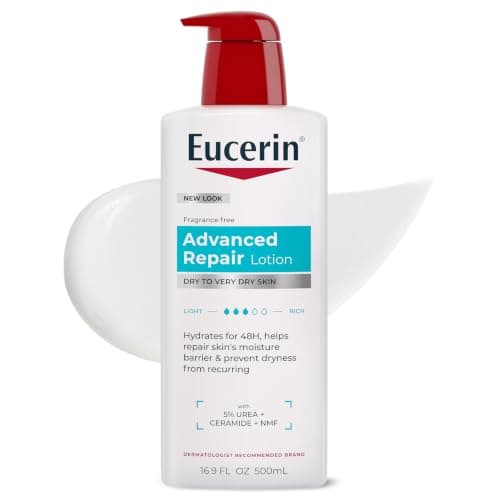
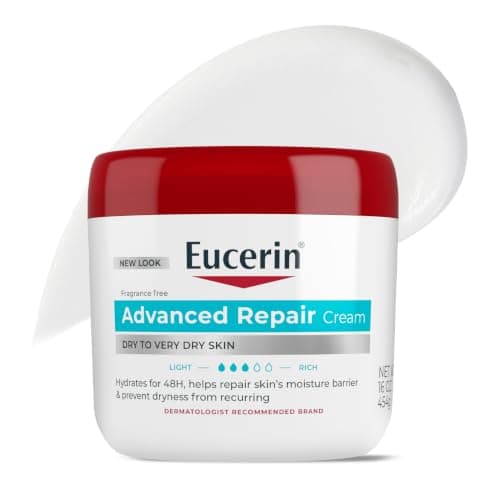
Feet respond to urea in a way most body skin does not need. Urea is both a humectant that draws in and holds water and a gentle keratolytic that helps soften and smooth thick, rough, scaly skin — which is precisely the two-part problem heels present. Paired with ceramide-3, as in the Eucerin Advanced Repair creams, it hydrates and smooths while the ceramides keep the barrier supported. A moisturizer works by combining humectants, emollients, and occlusives, as the reference on how moisturizers work lays out, and urea adds the smoothing dimension on top — which is why it beats a plain lotion on rough heels.
Gentle exfoliation for thickened, bumpy skin
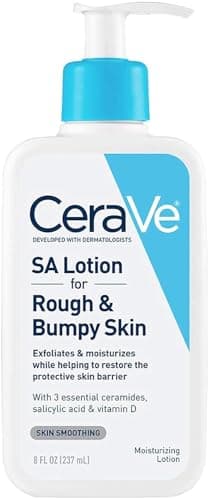
For rough, bumpy, or callused areas, a gentle exfoliating ceramide lotion — salicylic and lactic acid with the three-ceramide blend — smooths without stripping, the same barrier-safe approach we use for keratosis pilaris. It is genuinely effective on thickened skin, though it is a treatment lotion with a specific job rather than a plain moisturizer. The same caution applies as with urea: keep exfoliating acids off skin that is currently cracked or broken.
The broken-skin caveat
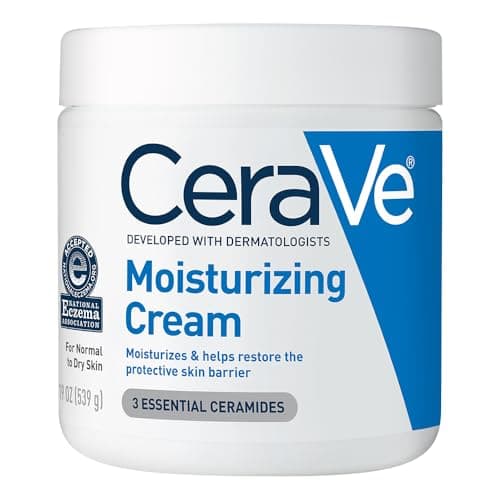
This matters, so we are putting it plainly: urea and exfoliating acids can sting on cracked or broken skin. If your heels are actively split or raw, do not reach for the urea cream or the acid lotion first. Use a plain, fragrance-free ceramide cream to protect and let the skin heal, then switch to the urea or exfoliating formula once it is intact again to keep the roughness down. Getting this order wrong is how a smoothing product ends up making sore feet more painful.
How to get the most from a foot cream
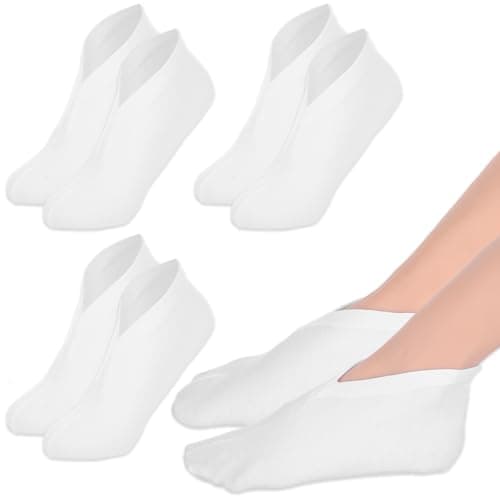
Feet reward a little technique. Apply a rich ceramide cream at night, ideally after a shower or soak while skin is still damp, and for really rough heels, cotton socks over the cream overnight help it work — the same seal-it-in idea dermatologists suggest for dry skin in the American Academy of Dermatology's dry-skin tips. Be generous; feet are not the place to ration cream, and a big-jar or big-bottle formula keeps that affordable.
Value matters here too
You use a lot of product on rough feet and often reapply, so cost-per-ounce counts. We compute it live on every pick — which is why the big-jar Eucerin urea cream and the value drugstore formulas win the practical argument over small premium tubes for a job this unglamorous.
Also worth having · under $40
The small stuff that makes this easier
The cotton-sock step above is the cheapest thing on this page and it does most of the overnight work, by holding a thick cream against the heel for eight hours instead of letting the bedsheet take it.
None of it repairs a barrier — the moisturizer does that. These are cheap conveniences that make the routine easier to actually keep up.
Cotton Moisturizing Socks, one size
3 pairs
The same trick as the gloves, for heels. Cream plus a cotton sock overnight keeps the product where the cracks are for eight hours instead of two minutes.
Amazon links, so we may earn a commission at no cost to you — see the affiliate disclosure. We were not given any of these, and nothing here changed which products won this page.