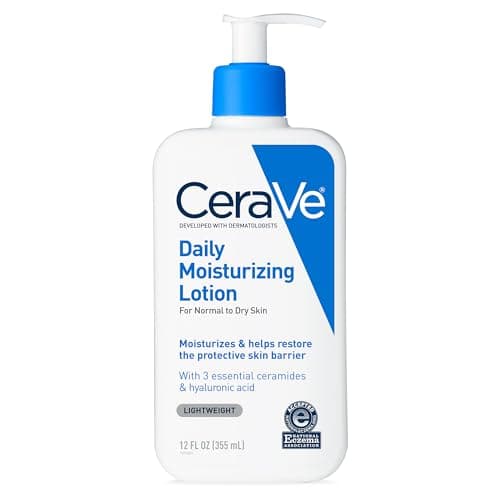
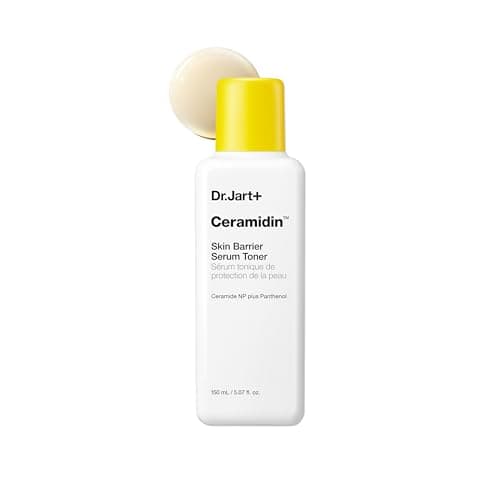
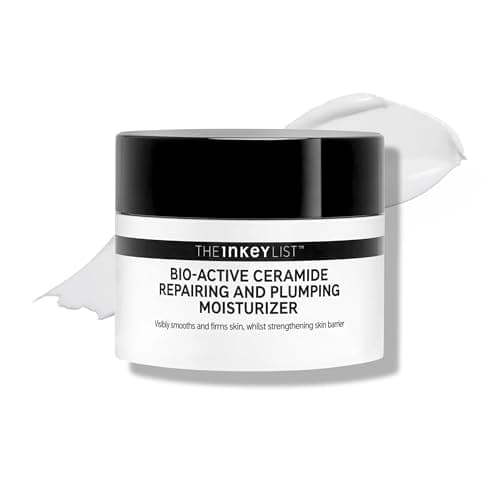
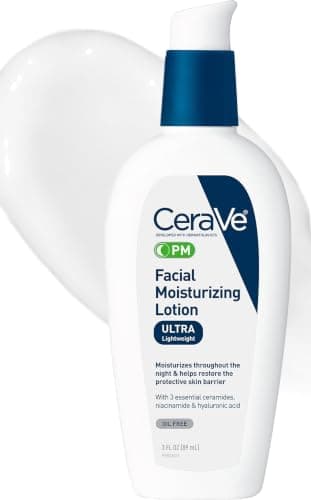
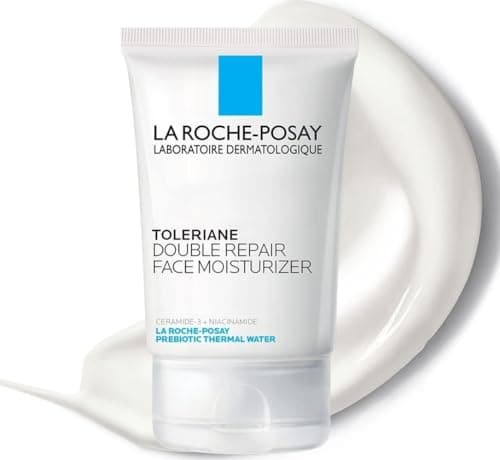
Dehydrated skin is one of the most misdiagnosed skin states, because it is short on water, not oil — which means even oily skin can be dehydrated, feeling tight, looking dull, and turning flaky in patches while still getting shiny by afternoon. The mistake is treating it with a heavy, greasy cream when what it actually needs is water drawn in and then sealed so it cannot escape. That is a two-part job: a humectant to add water, and ceramides to seal the barrier so the water stays put. The picks here are the hydrating, layerable ceramide moisturizers that do exactly that — light enough to layer over a humectant, real enough to seal the barrier — ranked on the two things that decide any barrier product: the ceramide types they disclose and their cost-per-ounce.
The strategy is simple and it is the whole point: add water, then lock it in. A humectant like hyaluronic acid or polyglutamic acid draws water into the skin, and a ceramide moisturizer seals the surface so it does not evaporate straight back out. If dryness (an oil-and-lipid shortage) is your real issue rather than a water shortage, the richer dry-skin roundup is the better fit; the full explainer on telling the two apart is in ceramides for dehydrated skin.
Dehydrated is not the same as dry
Dry skin lacks oil and barrier lipids; dehydrated skin lacks water. They feel similar — tight, dull, uncomfortable — but the fix differs. Dehydration wants water added and sealed, which is why a humectant-plus-ceramide approach beats piling on a heavy occlusive that traps nothing because there is no water underneath. The reference on how moisturizers work lays out the three tools — humectants to attract water, emollients to soften, occlusives to seal — and dehydrated skin leans on the humectant and sealing ends together. The ceramides make it repairing rather than merely hydrating by restocking the barrier lipids that keep water from leaking out in the first place.
Why oily skin gets dehydrated too
It feels contradictory, but oily skin is often dehydrated: sebum is not the same as water, so skin can be shiny on top and parched underneath. Over-washing, strong actives, and stripping cleansers pull water out and can push oily skin to overproduce oil in response — the strip-and-overproduce cycle we cover in do you need ceramides if you have oily skin. The answer is not to skip moisturizer but to use a light, oil-free ceramide layer that seals in water without adding grease, which is why the weightless lotions here suit oily and combination skin as well as they suit dehydrated dry skin.
Layer a humectant, then seal it
The core move for dehydrated skin is to apply a humectant on slightly damp skin, let it settle, then seal with a ceramide moisturizer so the water it attracts does not evaporate. A hydrating serum — whether a ceramide serum or a plain humectant one — is the water layer; the ceramide moisturizer is the seal. The order and reasoning are in how to layer ceramides and hyaluronic acid, and the same logic applies to any humectant. Skip the seal and a humectant can even draw water out of deeper skin in dry air, so the two really do belong together.
Go light and layerable
Dehydrated skin does best with light, layerable textures rather than a single heavy cream, because you want to build hydration in thin layers and seal it, not smother it. An oil-free gel-cream suits almost everyone; a milky ceramide serum adds a water-light layer under a moisturizer; a weightless lotion keeps things comfortable on oilier skin. Match the texture to your skin, keep the layers thin, and finish with sunscreen in the morning — the order is in where ceramides go in your routine.
Why cost-per-ounce still matters
Hydrating layers get used generously and often, so a low cost-per-ounce keeps a twice-daily habit affordable. We compute it live on every pick, which is why a well-priced drugstore lotion keeps winning the value argument even against pricier gel-creams — and for dehydrated skin, consistency matters more than any single luxury product. Buy the size you will actually reapply, and keep the routine light and repeatable.