Korean skincare takes the skin barrier seriously, and the ceramide serum shelf is where that reputation gets tested. Eight products here, sold as ampoules, serums, essences and milky toners, at prices from entry-level drugstore to three times that for a third of the bottle. We ranked them on a single question before any of the others: does the label tell you which ceramides are in it? One of them does. One more names a single type. Six name a “ceramide” or a branded complex and leave it there.
That is not a knock on K-beauty specifically — the Western shelf is no better, and the most-recommended ceramide serum in the US names three types mostly because one brand decided years ago to put them on the front of the box. But it is the thing worth knowing before you spend, because ceramides are structural lipids and the amount and kind you deliver is the whole mechanism. Cleveland Clinic's overview of what ceramides do for skin is the short version. The experimental work on optimal topical lipid ratios is the reason a formula that lists cholesterol beside its ceramides earns a different score here than one that lists a ceramide alone, and the trial showing that a ceramide NP-enriched lipid mixture restores a corticosteroid-impaired barrier is why the named types are worth paying attention to at all.
What “serum” means on a Korean label
More than half the confusion on this shelf is vocabulary, and it is worth five minutes because the words change what you get for your money. There is no regulatory definition behind any of them — they are marketing categories — but on a Korean label they are used fairly consistently:
- Ampoule— sold as the most concentrated step, usually the smallest bottle, often with a single headline active. The AMPLE:N and SKIN1004 picks here are both ampoules, and they are at opposite ends of this page, which tells you how little the word guarantees on its own.
- Serum— the middle of the range: thicker than an essence, lighter than a cream, one to two ounces. Three picks here.
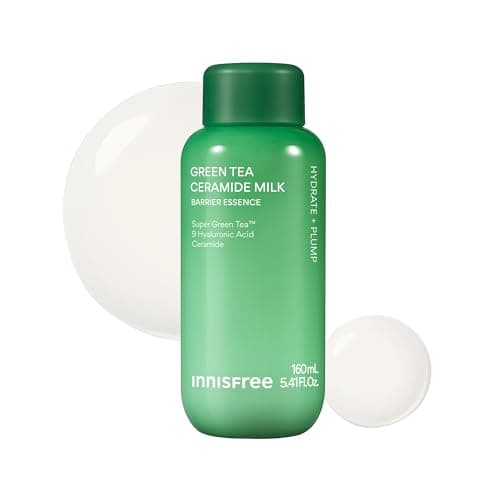
- Essence— a watery hydration layer, 100 to 200 ml, designed to be used generously. The innisfree pick is an essence sold as a milky toner, which is the overlap in action.
- Milky toner— the cheapest layer by volume, a half-pint bottle you apply by the handful. Dilute by design. Two picks here, and both are ranked near the bottom as ceramide products while being perfectly good at what they do.
So the first real decision is not brand. It is whether you want concentration in one ounce or volume in eight — a trade we take apart in full, with the cost-per-ounce math, at ceramide serum vs ceramide toner.
Pick in ten seconds
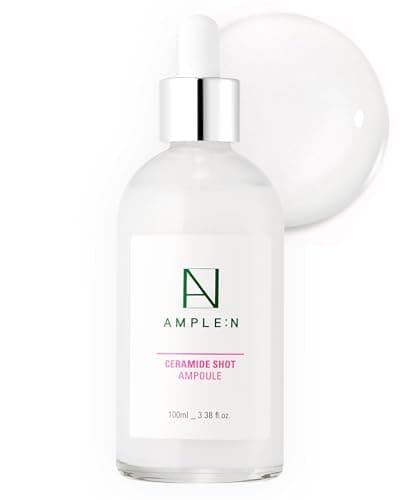
- You want the most disclosed ceramide content for the money — the AMPLE:N Ceramide Shot Ampoule. Three named types, cholesterol beside them, a big bottle.
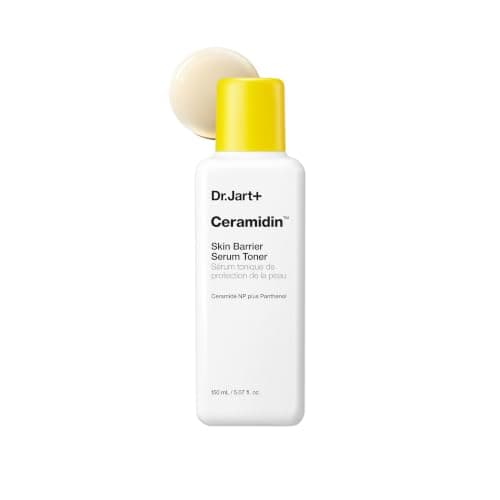
- You want the K-beauty ceramide serum people actually talk about— the Dr.Jart+ Ceramidin Serum. Ceramide NP, a beautiful milky texture, and denatured alcohol plus a few essential oils in the formula, which we list in its cons rather than skipping.
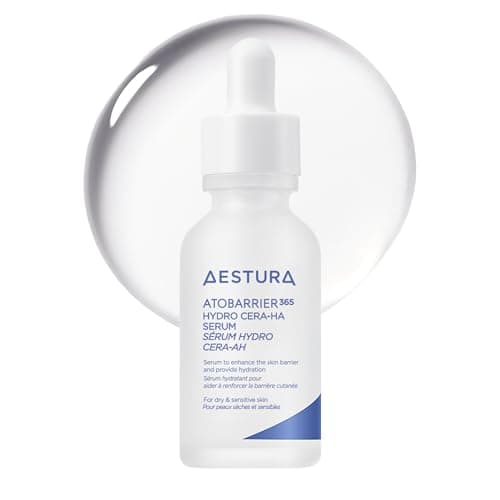
- You want the nicest thing to wear and the price is not the point— the AESTURA Atobarrier365 serum. Worst cost-per-ounce on the page; best finish on it.
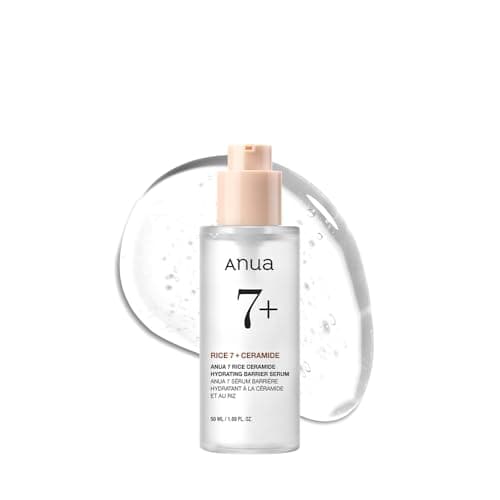
- Your skin is dry in the morning and shiny by lunch — the Anua Rice Ceramide 7. Lightest finish of the genuine serums, with 3% niacinamide in it.
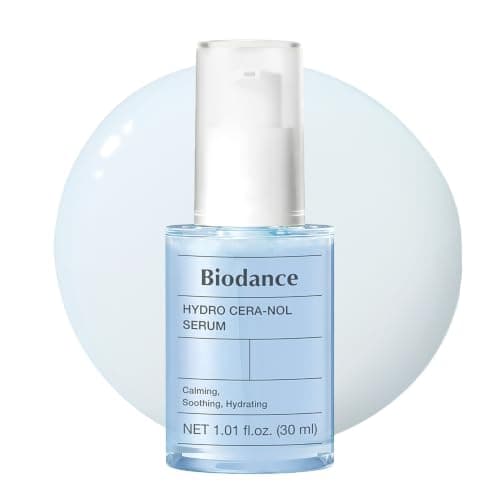
- You want to try the category for as little as possible — the BIODANCE Hydro Cera-nol Serum. Ceramide with panthenol, one ounce, entry price.
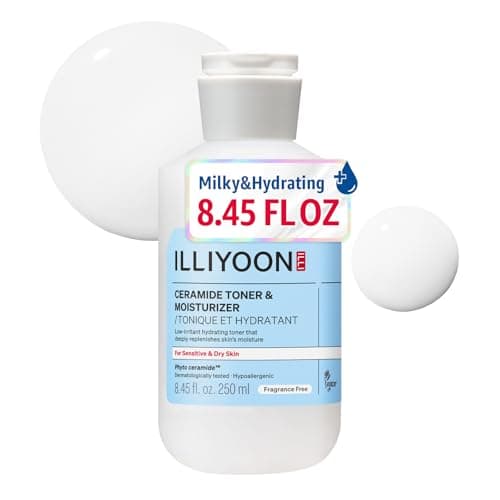
- You want fragrance-free hydration by the handful — the Illiyoon Ceramide Ato milky toner for the fragrance-free version, or the innisfree green tea essence if nine hyaluronic acid weights and a bigger bottle appeal more.
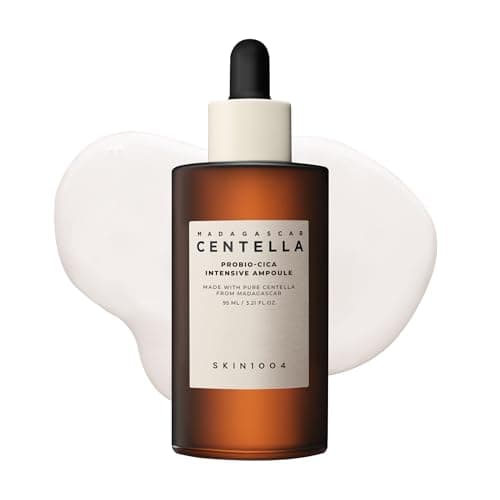
- Your skin is angry rather than dry — the SKIN1004 Probio Cica Intensive Ampoule. Best value on the page by a distance, and the weakest ceramide profile on it. It is ranked last here for that reason, not because it is a bad product.
- You actually want a cream — that is a different page: the best Korean ceramide moisturizers, where the Illiyoon concentrate cream, COSRX Balancium and the Dr.Jart+ Ceramidin cream are ranked on lipid profile and cost-per-ounce.
How we ranked these
Four criteria, applied in this order. The first one produced the order above almost on its own.
- 1. Type disclosure, and what is listed beside the ceramide.A label that says “ceramide NP, NS and EOP with cholesterol” is telling you something verifiable; a label that says “ceramide complex” is telling you that the word is in the formula somewhere. We score the first far higher, and the reason is mechanical rather than snobbish: a ceramide delivered alongside cholesterol and fatty acids behaves differently from a ceramide delivered alone, which is what the lipid-ratio work above is about. Our guide to reading a ceramide ingredient label is how to run this check on any bottle that is not on this page, and ceramide types explained covers what NP, NS and EOP mean.
- 2. Format honesty.Two of the eight picks here are toners and one is an essence. They are labeled as such in the ranking and they sit below the serums, because a page about ceramide serums should not quietly rank a half-pint of watery toner against a 30 ml ampoule and call it a tie. They are still here because for a lot of readers the cheap big bottle is the right purchase — just not the concentrated one.
- 3. Irritant load. K-beauty barrier serums are generally gentle, and two specific things on this shelf still catch people out. The first is unscented versus fragrance-free, which are different claims — the AMPLE:N listing says unscented, the Illiyoon toner says fragrance-free, and that distinction is a page of its own. The second is denatured alcohol and essential oils, which the Dr.Jart+ serum contains and which is the single most common reason a reader tells us a well-reviewed K-beauty serum stung. Patch test anything on this page — here is the method.
- 4. Cost per ounce at the live price. This shelf runs from 30 ml to 250 ml, which makes every price look reasonable and every comparison meaningless until you divide. The figures in the table are computed from the current listing price and the listed size and refreshed daily. The spread on this page is roughly tenfold, which is the single most useful number here.
Where K-beauty genuinely leads, and where it is just a number
Two things this shelf does better than the Western drugstore. First, texture: the milky, fast-absorbing finish that four of these picks share is a real formulation achievement, and it is the reason people who find Western barrier serums tacky stay with K-beauty. Second, the barrier itself is treated as the point rather than a supporting claim — several of these products exist in lines built around dry, atopic-prone skin, and their claim sets stay on hydration and the barrier instead of drifting into brightening.
One thing to discount entirely: ppm figures. “50,000 ppm ceramide complex” sounds enormous and means 5%. A bottle advertising “10,000 ppm” is advertising 1%. The numbers are accurate and the presentation is designed to impress, so convert them before you compare — divide by 10,000 to get the percentage. Also discount the number in a product name. The 7 in Rice Ceramide 7 is a rice complex, not seven ceramides; the 365 in Atobarrier365 is a marketing promise about the calendar.
The bottle-size trap
This is where a K-beauty routine quietly gets expensive. A 30 ml premium serum and a 250 ml essence can cost the same, and the instinct is to read the small bottle as the serious one. Sometimes it is. But a serum is used by the drop and a toner by the handful, so the per-ounce figures in the table above are not the per-use figures — and the honest version of the comparison is this:
- If you want lipids on your face, buy for concentration and disclosure. The AMPLE:N ampoule and the Dr.Jart+ serum are the two picks here that deliver a named ceramide at a real load.
- If you want comfortable, hydrated skin at the lowest running cost, buy the big bottle. The Illiyoon toner, the innisfree essence and the SKIN1004 ampoule all do that job well, and the ceramide is a bonus rather than the mechanism.
- If you want both, the cheapest honest route is a big fragrance-free toner plus a ceramide cream — not two serums. We make that argument in full at do you need both a ceramide serum and a moisturizer.
Building a K-beauty barrier routine without buying eight things
The ten-step routine is a shopping list, not a requirement. For a barrier that is dry, tight or recovering, three products do essentially all of the work: a gentle cleanser, one hydrating layer from this page, and a ceramide cream on top. Add a fourth only to solve a problem you can name.
- Cleansewith something that does not strip. If your skin feels tight the moment you towel off, that is the cleanser, not the serum — skin tightness after cleansing explains the sequence.
- Apply the hydrating layer to damp skin.Humectant-heavy K-beauty formulas work better on a damp face and can feel tacky on a dry one. If you are layering two of them, give each about a minute — how long to wait between skincare steps has the realistic timings.
- Seal with a cream. This is the step people skip when the serum was expensive, and it is the step that actually holds water in. The Korean cream tier is ranked separately, and the Illiyoon concentrate cream in particular is one of the best value barrier products on the whole site.
- Sunscreen in the morning. Nothing on this page protects the barrier as cheaply. The pairing question is answered at ceramides and sunscreen.
What we would actually buy
The AMPLE:N ampoule, and a ceramide cream over it. It is the only product here whose label lets you check what you are getting, the bottle is large enough that the per-use cost is sane, and the milky finish stops mattering once it is under a cream at night. If the finish matters because you wear makeup over it, the Anua serum is the lightest genuine serum on the page and the Dr.Jart+ is the most elegant — with the alcohol and essential-oil caveat we have put in its cons twice now, because it is the thing people report.
The AESTURA serum is the one to buy if you have decided you want a complete barrier line and the price is acceptable; it is genuinely lovely and genuinely poor value, and both of those are true at once. The two milky toners and the innisfree essence are cheap, pleasant, fragrance-free-or-close hydration and we would happily own any of them — as the layer under the cream, not as the ceramide step. And the SKIN1004 ampoule is the best thing here if your skin is reactive and inflamed rather than short of lipids, which is a different problem with a different page: the best ceramide serums for sensitive skin runs the full irritant screen instead of ranking on disclosure.
Also worth having · under $40
The small stuff that makes this easier
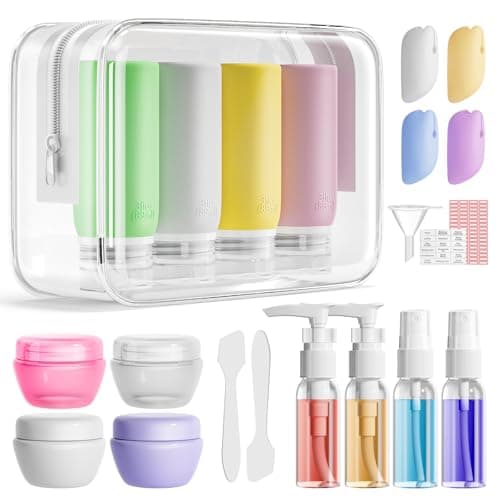
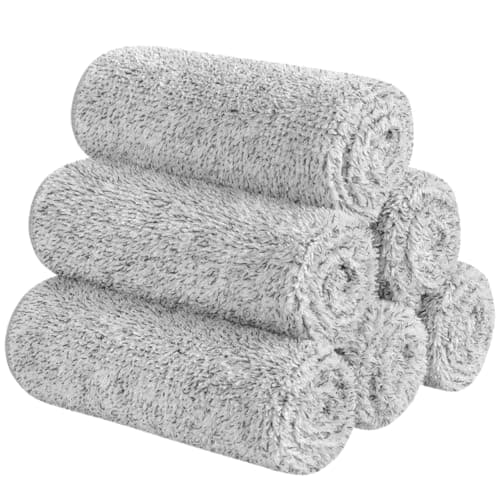
Two cheap things that make a multi-step K-beauty routine survivable: small bottles so you can decant a 250 ml essence for travel instead of leaving it home, and soft towels so the damp-skin step does not start with a scrub.
None of it repairs a barrier — the moisturizer does that. These are cheap conveniences that make the routine easier to actually keep up.
Muslish Leak-Proof Silicone Travel Bottle Set
21 pieces, TSA-approved sizes
Decanting a big tub beats buying a tiny premium mini at four times the cost per ounce. Squeezable silicone also survives a pressure change better than a rigid bottle.
One caveat. Decant into something that seals. A cream left in an open pot degrades faster.
SINLAND Microfiber Face Towels, 12 x 12 in
6 pack
A small, soft, dedicated face cloth makes it easy to blot dry and leave skin slightly damp, which is the state a ceramide moisturizer wants to go on to.
One caveat. Blot, do not scrub. Dragging a cloth across the face is mechanical stress the barrier does not need.
Amazon links, so we may earn a commission at no cost to you — see the affiliate disclosure. We were not given any of these, and nothing here changed which products won this page.