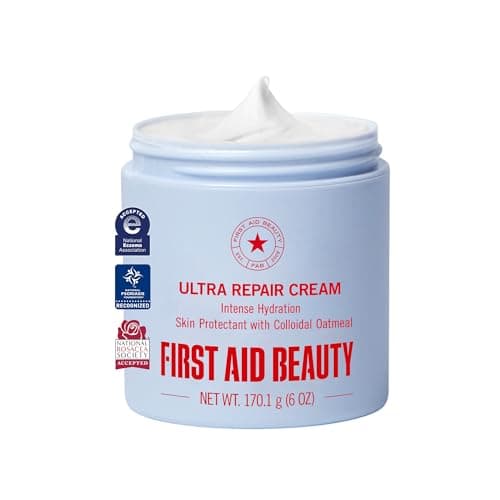
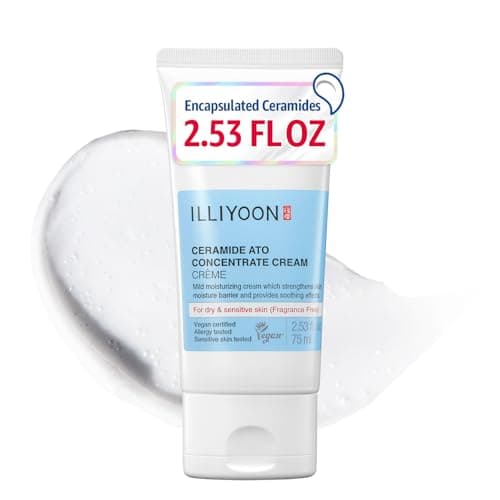
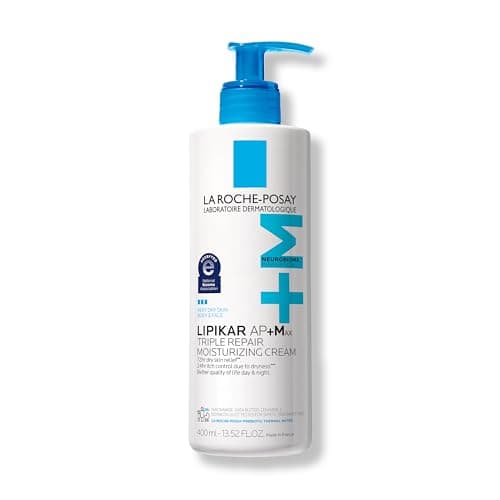
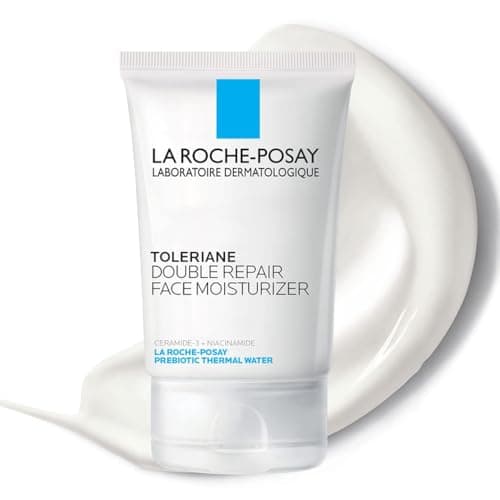
Sensitive skin is the one skin type where the mid-range tier buys formulation rather than just finish. La Roche-Posay and First Aid Beauty design specifically for skin that reacts, and that shows up as shorter fragrance-free ingredient lists, thermal-water and colloidal oatmeal bases, and packaging that keeps fingers out of the pot. Our pick of the tier is the Toleriane Double Repair as the everyday driver, with the Ultra Repair Cream held in reserve for the weeks when skin is itchy and flaring. The rules from the drugstore tier still apply: add one thing at a time, and keep the routine short. Prices and cost-per-ounce are pulled live.
This is the middle of our three sensitive-skin routine builders. Start with the drugstore sensitive-skin routine if you are rebuilding from scratch — simplicity matters more than formulation at that point. The premium sensitive-skin routine covers the top of the market. Related: our fragrance-free ceramide moisturizers roundup.
The morning routine, step by step
- Rinse, or a mild cleanser. Reactive skin rarely needs a morning wash. If you use one, it should be non-foaming and fragrance-free.
- Toleriane Double Repair on damp skin.Light, oil-free and fragrance-free — it suits reactive skin that also runs oily, which is a common and awkward combination.
- Sunscreen. Mineral filters are often gentler on reactive skin. Test it the same way you would test anything else.
The night routine, step by step
- Gentle cleanse. Sunscreen and makeup off, once, without scrubbing.
- Ultra Repair Cream on flaring nights.Its colloidal oatmeal base is a genuine point of difference for itchy, irritated skin — the mechanism is documented in the colloidal oatmeal review.
- Illiyoon on ordinary nights. A rich fragrance-free cream at a much lower cost-per-ounce, for when skin is calm and you just want to keep it that way.
- Lipikar balm for body. Straight out of the shower, on damp skin, if your arms and legs itch too.
What the extra money actually buys
Formulation aimed at reactive skin. This is real. Thermal water bases, colloidal oatmeal, tightly controlled fragrance-free formulas and tube or pump packaging are all deliberate choices these brands make for this audience. A flare product. Having a second, richer cream reserved for bad weeks is more useful than owning one better cream, because reactive skin is not the same every day. Body coverage that does not itch.The Lipikar balm is not ceramide-led and we say so on its card — it is here on its performance for itchy body skin, not on a ceramide claim.
Still add one thing at a time
The upgrade does not change the method. Introduce one product, wait a week, then consider the next. If something stings, stop it and go back to the last combination that was calm. A four-product routine that took a month to assemble is far more diagnosable than a four-product routine bought in one afternoon, even if they end up identical.
When to stay at the drugstore
If your skin is currently calm on a cheap fragrance-free cream, do not go looking for an upgrade. Change is the enemy of reactive skin, and the mid-range tier is worth moving to when the cheap version is not working — not because it exists. That is more true here than on any other routine page on this site.
The honest limit
None of this treats a condition. Sensitive skin can be a symptom of rosacea, eczema, contact allergy or something else entirely, and a ceramide routine supports and hydrates the barrier without diagnosing or treating any of it. Skin that stays red, burning, itchy or reactive to nearly everything needs a dermatologist, not a fourth cream.