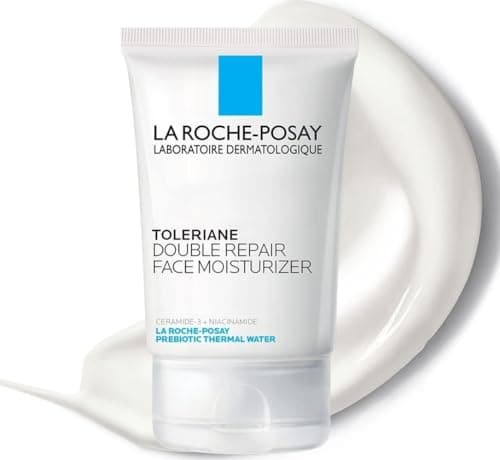
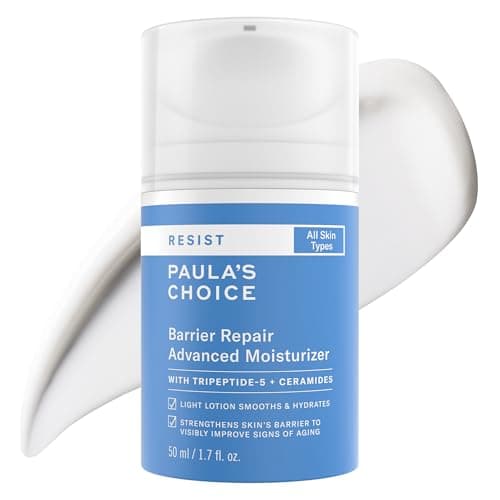
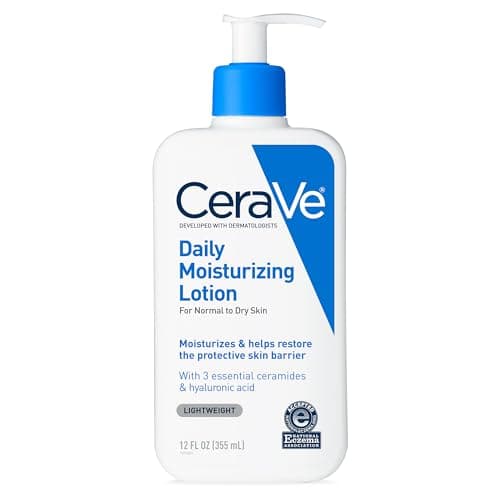
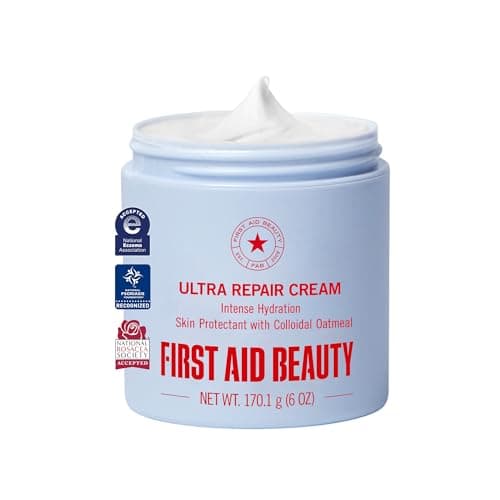
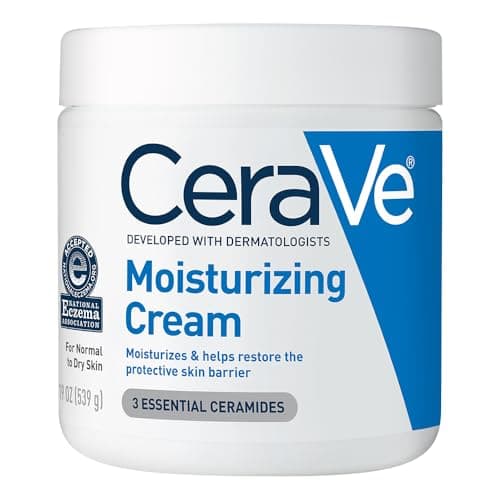
If your skin reacts to things, the single most useful word on a moisturizer is “fragrance-free.” Fragrance is the most common avoidable irritant in skincare, and on a compromised barrier it is exactly what you do not need. Every pick here is genuinely fragrance-free, and each one pairs that with a real ceramide list — because a gentle formula that also rebuilds the barrier is the whole point.
Fragrance-free is not the same as “unscented,” and the difference trips people up. Below the picks, we explain how to read a label so you can verify it yourself — but if you just want a safe answer, any of the five here qualifies. If your reactivity comes with flushing or redness, the rosacea-prone picks and sensitive-skin picks overlap heavily with this list.
Why fragrance-free matters for the barrier
Fragrance — whether synthetic “parfum” or a natural essential oil — is added purely to make a product smell nice, and it does nothing for your skin barrier. On healthy skin it is usually harmless. On dry, sensitive, or compromised skin, it is a leading cause of stinging, redness, and low-grade irritation you might not even trace back to the culprit. Dermatologists routinely recommend fragrance-free products for dry and reactive skin; the American Academy of Dermatology says as much in its tips for relieving dry skin. When your goal is to repair the barrier with ceramides, adding a common irritant on top works against you.
Fragrance-free vs unscented
These sound identical and are not. Fragrance-free means no fragrance was added to make the product smell a certain way. Unscentedoften means a masking fragrance was added to cover the natural smell of the other ingredients — so an “unscented” product can still contain fragrance. For reactive skin, look for “fragrance-free,” then confirm it on the ingredient list.
How to spot hidden fragrance on a label
The front of the box is marketing; the ingredient list is the truth. Scan it for these:
- Fragrance or Parfum— the catch-all terms, and the clearest sign fragrance is present.
- Essential oils(lavender, citrus, rose, tea tree and the like) — “natural” does not mean non-irritating; these are common triggers.
- Fragrance componentssuch as linalool, limonene, citronellol, or geraniol — often listed at the very end and easy to miss.
If none of those appear, you are looking at a truly fragrance-free formula. Our guide on which products actually contain ceramides walks through reading the rest of the label the same way.
How we ranked these
Every pick is fragrance-free first, then ranked the way the rest of the site ranks: by the ceramide types it discloses and its live cost-per-ounce. The CeraVe cream leads because it is fragrance-free, lists three ceramides, and costs the least per ounce; the La Roche-Posay Toleriane follows for reactive skin that wants the lightest, most tolerable texture. Patch test any new product for a few days before committing it to your face — even a fragrance-free formula can disagree with a specific person.