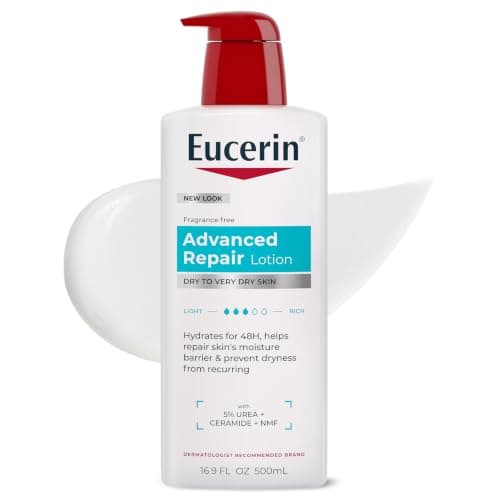
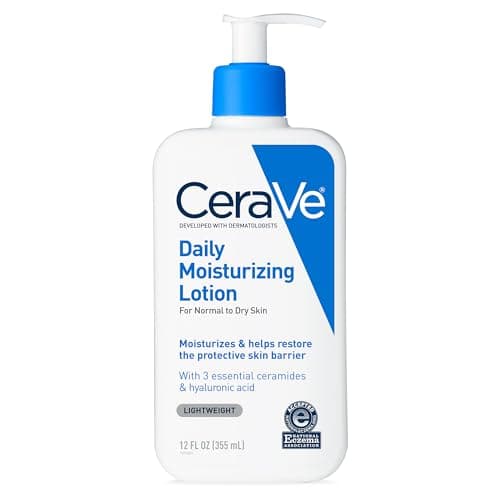
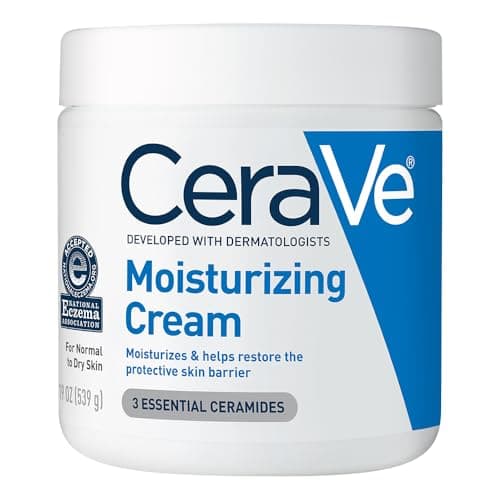
For sensitive skin, the most valuable thing a routine can be is short. Every product you add is another set of ingredients that might be the one causing the sting, and a ten-step routine is effectively unsolvable when something goes wrong. The drugstore tier suits this perfectly: the ceramide creams below are fragrance-free, sold in enormous tubs, and simple enough that a reaction narrows quickly. Our lead pick is the CeraVe Moisturizing Cream, which is fragrance-free, discloses three ceramide types, and costs about a dollar an ounce, so you can use it generously on face and body without hesitating. Prices and cost-per-ounce here are pulled live.
This is the entry tier of our three sensitive-skin routine builders. The mid-range sensitive-skin routine is where the formulas built specifically for reactive skin live, and the premium sensitive-skin routine covers the elegant end. The moisturizer field on its own is in best ceramide moisturizers for sensitive skin.
The morning routine, step by step
- Water, or the mildest cleanser you own. Sensitive skin very often does not need a morning cleanser at all. If your skin was clean overnight, rinse and move on.
- One fragrance-free ceramide cream, on damp skin. That is the whole moisturizing step. No serum, no toner, no essence, until this routine has been calm for a month.
- Sunscreen. A mineral one is often better tolerated by reactive skin, but the best sunscreen is the one that does not make you skip it.
The night routine, step by step
- Cleanse gently, once.No double cleanse unless you wore heavy makeup or sunscreen — the reasoning is in double cleansing and your skin barrier.
- The same cream, more generously. Repetition is the point. One product used consistently is what lets you tell whether your skin is calming down.
- Nothing else. Not for the first month.
Patch test everything, properly
Introduce one new product at a time and give it a week before adding another. Test it on a small patch first — inner forearm or beside the jaw — for a few consecutive days rather than one. This is slow and it is also the only method that tells you anything: if you change three products at once and your skin reacts, you have learned nothing except that something in the group is a problem. The full method is in how to patch test a new moisturizer.
Fragrance-free, and why it matters more here
Fragrance is one of the most common causes of contact reactions in cosmetics, and “unscented” is not the same claim as “fragrance-free” — the distinction, which trips up a lot of shoppers, is explained in fragrance-free vs unscented. Every pick on this page is fragrance-free. If a product stings, that does not automatically mean it is fragrance; essential oils, certain preservatives, high concentrations of actives and even plain physical friction can all do it. The value of a short routine is that you can find out.
Where the drugstore wins for sensitive skin
Simplicity and volume. The cheap ceramide creams have short, boring ingredient lists, which is exactly what you want when you are trying to isolate a trigger, and their cost-per-ounce means you can apply them liberally to face, neck and body without rationing. Expensive sensitive-skin formulas often add more ingredients, not fewer — soothing botanicals, texture modifiers, actives — and every one is another variable.
The honest limit
Sensitive skin is a description, not a diagnosis. This routine hydrates and supports the barrier, which is what helps most reactive skin feel calmer; it does not treat rosacea, eczema, allergic contact dermatitis or any other condition. If your skin is persistently red, burning, itchy, blistering or reacting to almost everything, that deserves a dermatologist, who can identify what is going on rather than guessing product by product.