Start with the caveat, because it is the most useful thing on this page: oily skin is the skin type that gains the least from a premium budget. The technically correct product for a shiny, breakout-prone face is a light, oil-free, fragrance-free lotion, and the best of those are drugstore products. The premium market mostly sells richness, and richness is not what this skin type is short of. That said, there is one genuinely premium-only format worth having: a ceramide serum, which puts barrier lipids on the skin with almost no weight at all. The routine below is built around that idea rather than around a heavier cream. Prices and cost-per-ounce are pulled live.
This is the top of our three oily-skin routine builders, and the one we recommend least often. The drugstore oily-skin routine is where most readers should be, and the mid-range oily-skin routine covers the one upgrade that actually helps: a matte finish. The serum field is in best ceramide serums.
The morning routine, step by step
- Gentle wash.No change, and no upgrade available. A cleanser's job is to leave, and expensive ones do not leave better.
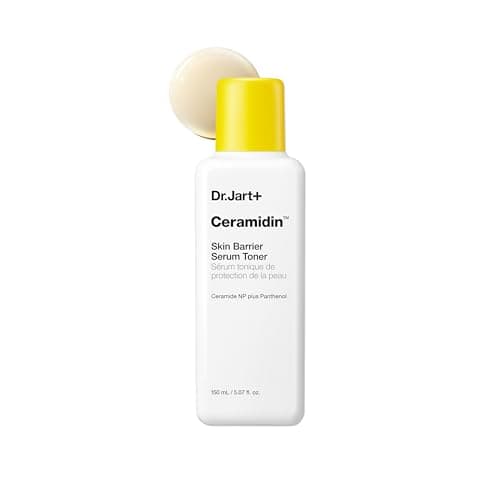
- Ceramide serum on damp skin. The Dr.Jart+ Ceramidin Serum is the reason this page exists: it delivers ceramides with essentially no weight, which suits oily skin better than any cream in this tier.
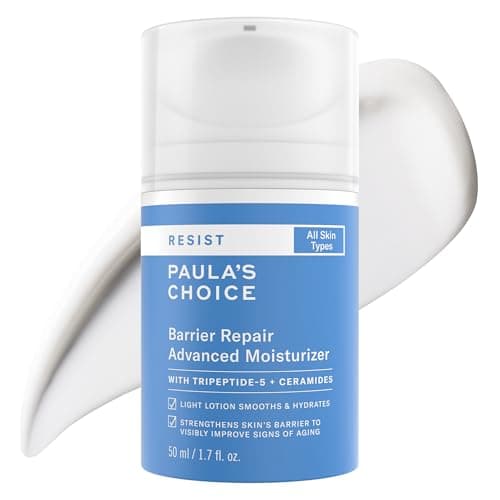
- A light moisturizer only if you need one.Many oily-skinned readers can go serum then sunscreen in the morning. If you want a moisturizer, the Paula's Choice RESIST is the least heavy of the two creams here.
- Sunscreen.Where a premium budget is actually best spent for this skin type — a sunscreen you like wearing is worth more than any of the products on this page.
The night routine, step by step
- Cleanse. Properly, gently, once.
- Actives, on clean dry skin. Retinoid or acid, not both, unless your skin has earned it.
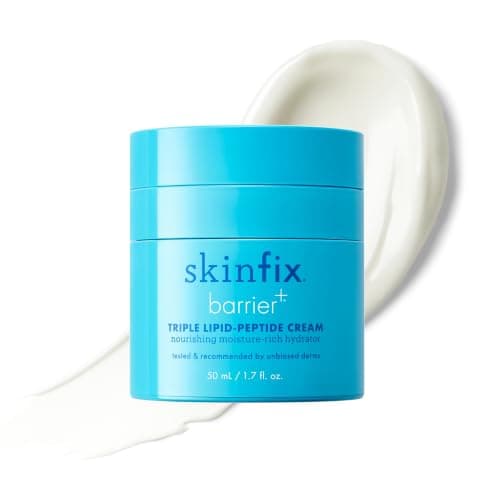
- Serum, then cream. The serum buffers, the cream seals. Skinfix is the richest option here and is worth it only on nights when an active has left skin tight.
- Stop there. The most common premium-routine failure mode is adding a fifth, sixth and seventh step until skin is irritated by the routine meant to calm it.
The one premium format worth having
A ceramide serum. Everything else in this tier is a cream, and creams are the format oily skin is least short of. A serum delivers the barrier lipids described in Cleveland Clinic's overview of what ceramides do in a texture that disappears, which lets you support the barrier without the heaviness that made you stop moisturizing in the first place. If you buy one thing from this page, buy that. Whether you also need a cream over it is answered in do you need both a ceramide serum and a moisturizer.
Where the money is better spent
For oily and acne-prone skin, in this order: a sunscreen you will actually wear every day, a treatment that addresses breakouts if you have them, and only then a nicer moisturizer. That ordering is unfashionable because moisturizers are the easiest thing to sell, but it reflects what actually changes an oily-skin outcome. Our drugstore routine costs a fraction of this page and is not meaningfully worse at the barrier job.
What a bigger budget cannot do
It cannot reduce oil production, shrink pores, or clear acne. Those are either medical questions or physiology. Premium ceramide products can give you better textures, deeper formulations and a serum format that barely exists lower down the market — that is a real but bounded list, and anyone extending it further is selling.
The honest limit
Cosmetic barrier support only, at any price. If breakouts are persistent, painful, cystic, or scarring, see a dermatologist. Real acne treatment exists, it works, and no amount of expensive moisturizer substitutes for it.