Retinoids work by speeding up how fast your skin replaces itself, and the price of admission is a few weeks in which the barrier is measurably worse than it was before you started. That is not a formulation defect, it is the mechanism: the flaking, the tightness, the sting from products you used happily last month. The study of functional changes in human stratum corneum under topical retinoic acid measured exactly that — a significant rise in transepidermal water loss during treatment, which persisted after treatment stopped. So the moisturizer you pair with a retinoid is not a comfort purchase. It is the thing that decides whether you stay on the retinoid long enough to get the result you started it for.
There is direct evidence that the pairing changes outcomes. A double-blind study on facilitating facial retinization through barrier improvement found that preconditioning skin with a barrier-enhancing moisturizer before starting tretinoin, and continuing it through treatment, reduced the side effects and eased the early retinization phase. Which is why this page exists as a separate ranking from the general ceramide cream list: the criteria are different. A cream can be excellent in the abstract and the wrong choice next to a retinoid because it carries fragrance, or an acid, or its own niacinamide load on skin that is currently reacting to everything.
What we rank on, in order: fragrance-free formulation, absence of competing actives, a disclosed lipid list, enough occlusion to hold water overnight through the peeling phase, and texture that does not pill or roll when layered under or over a prescription cream. Price is the tiebreaker, not the headline — and the honest answer to “what do dermatologists put people on” turns out to be the cheapest thing on this page.
Pick in ten seconds
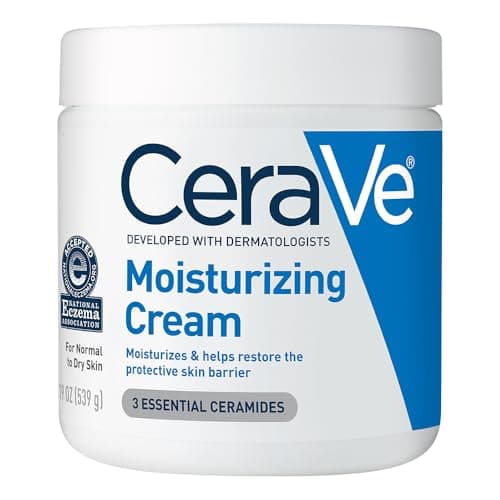
- You want the default, correct answer — the CeraVe Moisturizing Cream. Three ceramides, cholesterol, fragrance-free, big tub.
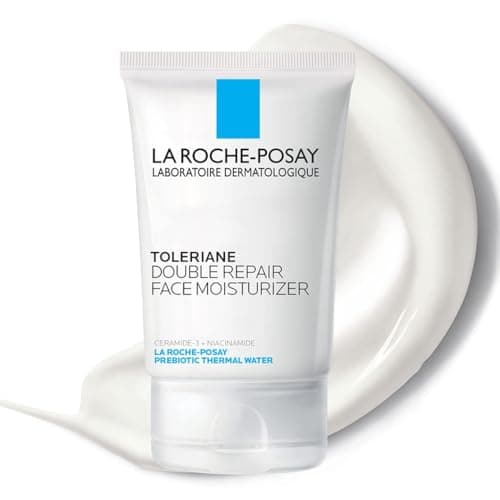
- You need a daytime layer under sunscreen — the La Roche-Posay Toleriane Double Repair. Oil-free, fragrance-free, does not pill.
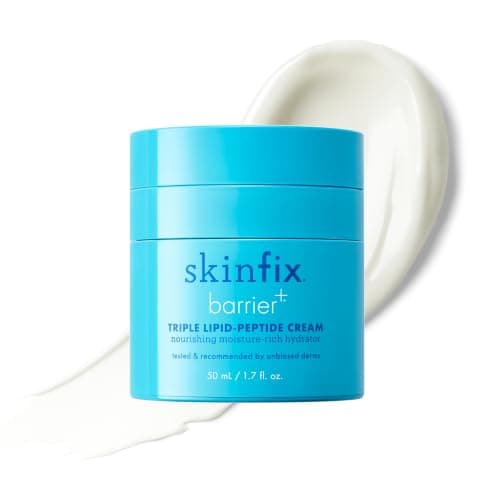
- You are peeling badly and want the strongest formula — the Skinfix Barrier+ Triple Lipid-Peptide Cream. The full lipid trio, at a premium price.
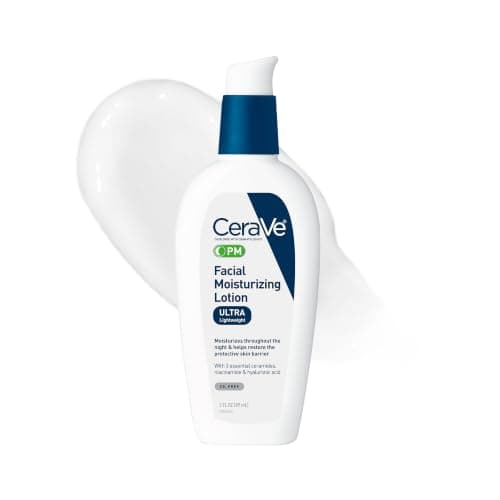
- Oily or acne-prone, and a rich cream is not happening — the CeraVe PM Facial Moisturizing Lotion. Oil-free, same three ceramides, ultralight.
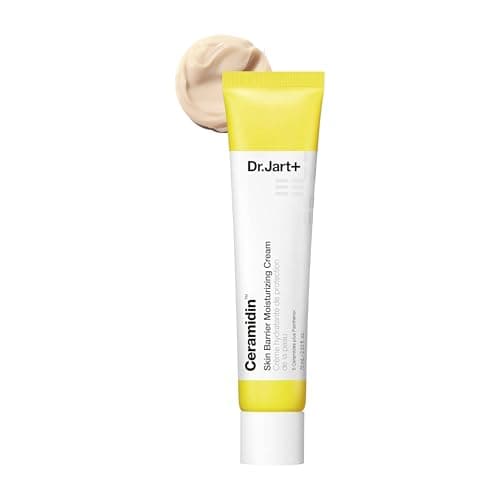
- You want the nicest one to use and the price is fine — the Dr.Jart+ Ceramidin Cream. Five ceramides, cushiony texture, costs several times the top pick per ounce.
- You have not started the retinoid yet — read how to use ceramides with retinol first. Starting the moisturizer two weeks early is free and it works.
What makes a cream the right retinoid partner
- Fragrance-free, non-negotiable.Mid-retinization your barrier is letting more through than usual, which is precisely when a fragrance you tolerated for years starts to sting. Every pick on this page is fragrance-free or unscented by the brand's own labeling. If you are unsure what the difference is, fragrance-free vs unscented covers it.
- No competing actives.The buffer layer is not the place for acids, vitamin C, or a second retinoid. More actives on compromised skin is how people end up quitting the retinoid and blaming the retinoid. If you want to keep an exfoliating acid in the routine, run it on separate nights — how to use ceramides with exfoliating acids has the scheduling.
- A disclosed lipid list. Retinoid irritation is lipid depletion plus compaction of the stratum corneum, so replacing lipids in sensible proportions is the targeted fix rather than a generic one. The research on optimal stratum corneum lipid ratios is why we favor formulas that name a ceramide type and add cholesterol: two of the picks here do, and the Skinfix names the whole trio.
- Enough occlusion for overnight, light enough for daytime. These are usually two different products, and buying both is reasonable. The retinoid goes on at night, so the rich cream earns its place there; mornings need something that disappears under sunscreen, because sunscreen is not optional on a retinoid.
- A texture that layers without pilling.Prescription tretinoin creams and silicone-heavy moisturizers can roll into little balls when stacked. If that is happening to you, it is a texture conflict and not a sign either product is bad — why your moisturizer pills explains the fix.
Buffering and the sandwich method
Two techniques reduce retinoid irritation without reducing the dose, and both are free. Bufferingmeans applying your moisturizer first, letting it settle for ten to twenty minutes, then applying the retinoid over it — the layer underneath slows absorption slightly, which blunts the irritation peak. The sandwich method puts moisturizer on, then retinoid, then moisturizer again. Both are standard advice for exactly the reason the retinization study found: the limiting factor on retinoid therapy is usually tolerance, not potency. The full walkthrough, including how long to wait between layers, is in the moisturizer sandwich method and how long to wait between skincare steps.
If you are starting from scratch, the sequence that causes the fewest casualties is: two weeks of the ceramide cream alone, then the retinoid twice a week on top, then build frequency over a month or two. The order of operations for the whole routine is in where ceramides go in your routine.
Why the cheapest pick wins
Nothing on this page beats the 19 oz CeraVe tub on the things that matter next to a retinoid. It names three ceramide types, it lists cholesterol and phytosphingosine, it has no fragrance and no active that will argue with your prescription, and it costs little enough that you will apply a proper layer on the nights your face is peeling instead of pacing a $54 jar. The premium picks are better in specific ways — Skinfix has the most complete lipid trio on the site and adds peptides; Dr.Jart+ is the nicest thing here to put on your face — but “better formula, used sparingly” loses to “good formula, used properly” during retinization, every time.
When the irritation is not normal
Expect flaking, mild tightness and some pinkness in the first few weeks. Do not accept burning that lasts hours, weeping, swelling, or a rash that spreads — that is irritant contact dermatitis, not retinization, and the move is to stop the retinoid until skin recovers rather than to push through with more moisturizer. The checklist for telling those apart is in signs of a damaged skin barrier, and if you have already overshot, how to repair over-exfoliated skin is the recovery protocol. Cleveland Clinic's overview of what ceramides do is a useful sanity check on what a moisturizer can and cannot fix here.
Retinol, retinal or tretinoin — does the pairing change?
Not much. Prescription tretinoin is the most irritating of the three because it needs no conversion in the skin; retinaldehyde sits in the middle; over-the-counter retinol is the gentlest and slowest. Stronger means you want the richer end of this page and more buffering, gentler means you can often get away with the light picks alone. The ceramide cream does the same job in all three cases. If you are weighing a gentler alternative entirely, ceramides vs bakuchiol and ceramides vs retinol set out what each ingredient can actually do.
What we would actually buy
The CeraVe tub for retinoid nights and the La Roche-Posay Toleriane for mornings. That pairing covers the whole retinization window for less than the price of one premium jar, and neither product contains anything that will fight your prescription. Swap the night cream for Skinfix if you are in a genuinely rough patch and want the most complete lipid formula available — it is the one we would put on badly peeling skin if cost were not a factor. Choose the CeraVe PM lotion instead of the tub if you are oily or acne-prone and a rich cream triggers congestion; you keep the same three ceramides and lose only the occlusion. And buy the Dr.Jart+ because you want to enjoy using it, which is a real reason — just not a barrier-science one.