“Barrier repair” is the least regulated phrase in body care. It appears on bottles that contain nothing but glycerin and dimethicone, and it appears on bottles that contain a genuinely well-built lipid blend, and the front label reads identically either way. So this page does not rank on the claim. It ranks on what each brand publishes on its own ingredient list: whether a specific ceramide type is named, whether cholesterol and a fatty acid are in there with it, whether the texture is something you can realistically apply from the neck down, and what it costs to use enough. Five products clear that bar in body-scale sizes. One of them is on this page specifically so we can tell you it is not ceramide-led, because it is the one most people buy when they search this phrase.
The reason the lipid list matters more than the marketing is that barrier repair is a proportions problem, not a hydration problem. The work underpinning the whole category — optimal ratios of topical stratum corneum lipids improve barrier recovery — found that ceramides, cholesterol and free fatty acids applied together in the right proportion speed recovery, while an incomplete or badly proportioned mixture can actually slow it. That is a strong argument for buying a formula where the brand tells you what is in it, and a reason to be skeptical of a bottle whose only barrier evidence is the word printed on the front. Cleveland Clinic's overview of what ceramides do for skin is the plain-language version of the same mechanism.
Body skin changes the calculation in one more way that face rankings never have to deal with: surface area. An adult body takes many times as much product per application as a face does, and people ration expensive creams. A rationed emollient does not work — the dose is the active ingredient. That is why a small jar with a beautiful lipid profile is not the top pick here and a tub you can be generous with is, and why every price on this page carries a live cost-per-ounce figure computed from the current price and the listed size rather than a number we typed in.
Pick in ten seconds
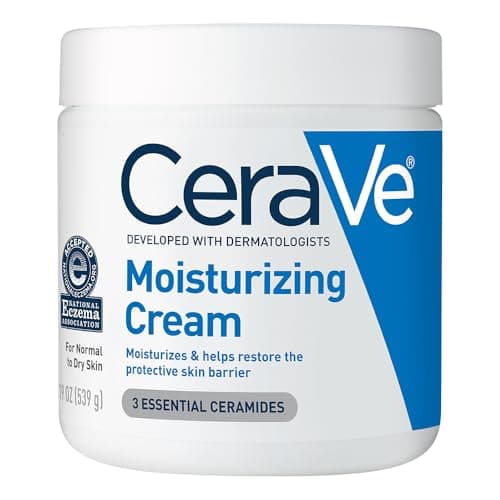
- You want the most complete disclosed lipid list, cheaply — the CeraVe Moisturizing Cream. Three named ceramides, cholesterol, 19 oz.
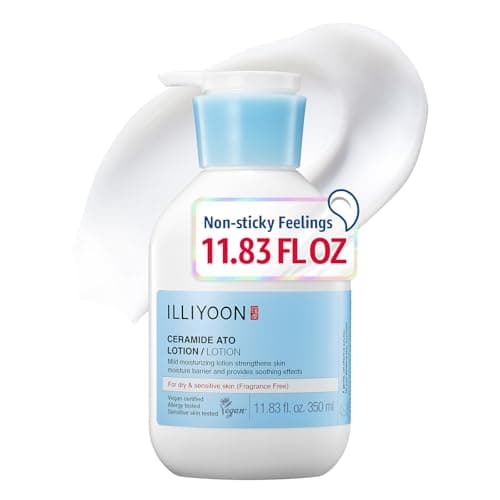
- You want repair in a texture you can wear under clothes — the Illiyoon Ceramide Ato Lotion. Ceramide NP with cholesterol and phytosphingosine, in a lotion.
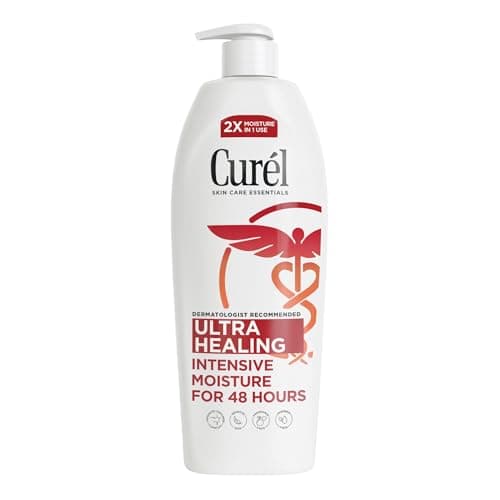
- You are moisturizing a whole body twice a day on a budget — the Curel Ultra Healing Lotion. Lowest running cost here; the ceramide complex is not broken out by type.
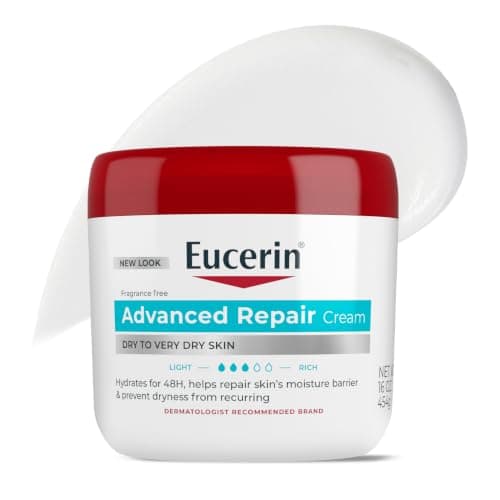
- Your skin is rough and scaly, not just dry — the Eucerin Advanced Repair Cream. Ceramide-3 plus urea, and the urea is the part that smooths.
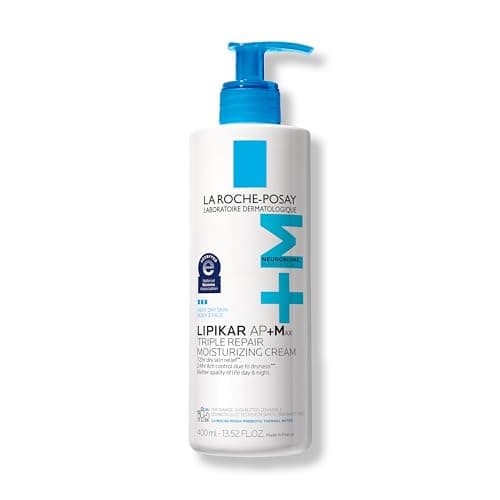
- Itchy, eczema-prone skin, and soothing matters more than ceramides — the La Roche-Posay Lipikar Balm, with the honest caveat in its con list. Our full Lipikar Balm review explains what it is and what it is not.
- The damage is on your face, not your body — wrong page. Go to the best ceramide creams for barrier repair.
The four criteria, in the order they decide the ranking
- 1. A named ceramide type, not just the word “ceramides”. Brands that have invested in the lipid chemistry tend to say so precisely: Ceramide NP, Ceramide AP, Ceramide EOP, or the older numbering (1, 3, 6-II). A label that says “with ceramides” and nothing else is telling you the quantity is not worth describing. Both of our top two picks name types. Curel discloses a ceramide complex without naming one, and that is precisely why it sits third rather than first despite being the cheapest per ounce here.
- 2. Cholesterol and fatty acids alongside it.Ceramides are roughly half of the stratum corneum's lipid matrix; cholesterol and free fatty acids are most of the rest, and the ratio research above is explicit that the mixture outperforms any single component. In practice this is the fastest way to separate a serious formula from a decorated one: scan the ingredient list for cholesterol or phytosphingosine. The CeraVe tub and the Illiyoon lotion both list them.
- 3. A texture you will actually apply to a whole body. The best formula in the world has no effect in the bottle. A 19 oz tub works because it is cheap enough to be generous with; a pump lotion works because you can do two legs in the time it takes to towel off. A small jar of premium face cream, however good, is the wrong tool below the jawline. The format ladder is laid out in ceramide cream vs lotion vs serum vs balm.
- 4. Fragrance-free, because compromised skin reacts.Skin with a damaged barrier has, by definition, a weakened gatekeeper — which means anything irritating in the formula gets further in than it otherwise would. Fragrance is the most common avoidable irritant in body care, and four of the five picks here are fragrance-free. If you have ever had a lotion sting on broken skin, this is why.
Lotion, cream or balm for a damaged barrier?
More occlusion is not automatically better. The job splits three ways: humectants pull water into the stratum corneum, emollients fill the gaps between cells so skin feels smooth, and occlusives slow evaporation from the surface. The reference on how moisturizers work sets the three roles out cleanly. A damaged barrier needs all three, which is why a thick cream usually beats a thin lotion on the worst skin — and why the answer flips the moment the product is heavy enough that you stop using it. Choose the thickest thing you will apply twice a day, not the thickest thing on the shelf.
There is one case where the thinner product is clearly right: body skin that is simultaneously oily and barrier-impaired, usually across the back and chest. That is a different ranking, and it is on best ceramide body lotion for oily skin.
Why urea is a step up, and when it is a mistake
The Eucerin pick is the only one here with urea, and it earns its place on a specific symptom: skin that has gone rough and scaly, where the compacted keratin needs softening as well as rehydrating. Urea does both, which is something plain glycerin cannot do. It also stings cracked or broken skin, hard. If your shins are fissured rather than flaky, leave the urea cream until the splits have closed and use a plain ceramide emollient in the meantime. That single distinction decides which of these picks is right for you more often than any ceramide comparison does.
The honest note on Lipikar
La Roche-Posay's Lipikar Balm is the product most people land on when they search for a barrier-repair body cream, and it is genuinely good at what it does: a soothing, well-tolerated balm for itchy, eczema-prone skin, built around niacinamide, shea butter and the brand's thermal water. What it is not is a ceramide showcase. If the reason you are reading a ceramide site is that you want ceramides specifically, the first two picks deliver them and Lipikar does not — and no amount of its being popular changes that. It stays on the page because “this is excellent, for a different reason than you think” is more useful to a buyer than leaving it out. The niacinamide side of its formula is real, incidentally: the work on niacinamide and stratum corneum hydration supports it as a barrier ingredient in its own right.
How to use a barrier-repair body lotion so it works
- Apply within three minutes of getting out of the shower, onto skin that is still damp. This is the highest-leverage habit in the whole routine and it costs nothing.
- Use more than feels reasonable. A visible layer that takes a minute to sink in is the dose; a thin smear is not. Guidance on quantity is in how much ceramide moisturizer to use.
- Twice a day while skin is actively damaged, once a day to maintain. Repair is cumulative — see how long it takes to repair a skin barrier.
- Turn the shower temperature down and shorten it. Hot water strips the lipids you are paying to replace; the mechanism is in ceramides and hot showers.
- Check what you are washing with. A stripping surfactant undoes a good lotion every single day, and most people never suspect it — does your body wash damage your skin barrier.
When a body lotion is not the answer
If the skin is weeping, cracked and bleeding, or spreading, that is past what an over-the-counter emollient fixes on its own and worth a clinician's eyes — particularly with eczema, where ceramide deficiency is well documented in the research on ceramide abnormalities in atopic dermatitis and where emollients work best alongside prescribed treatment rather than instead of it. The American Academy of Dermatology's dry-skin guidance is the short list of what to change first. Our eczema-specific body ranking is on the best ceramide body lotions for eczema-prone skin, and the symptom checklist is in signs of a damaged skin barrier.
What we would actually buy
The 19 oz CeraVe tub, and a bottle of the Curel pump to keep in the bathroom for the days a tub feels like too much effort. Between them you get the most complete disclosed lipid list in the category and the lowest cost-per-ounce on the site, which covers the two things that actually decide whether body skin recovers: formula and dose. Add the Illiyoon lotion if you want one product that works on both face and body and you are willing to pay several times as much per ounce for a texture that disappears instantly — it is the pick we would choose for a sensitive-skin household, and the only true lotion here that names a ceramide type. Buy the Eucerin cream specifically for scaly patches rather than as your all-over layer. And buy Lipikar if the dominant symptom is itch, knowing exactly what you are buying it for.