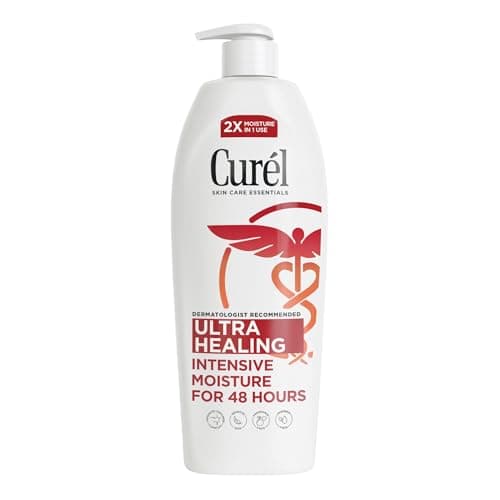
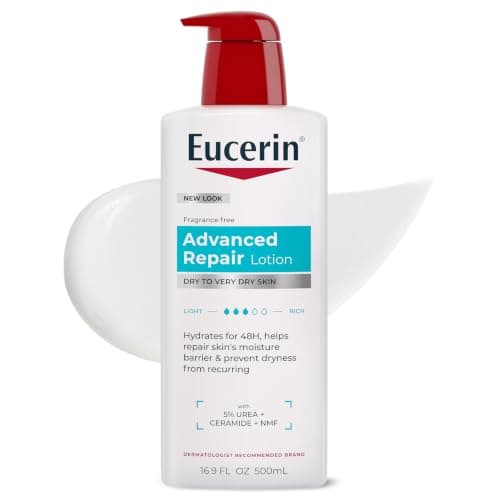
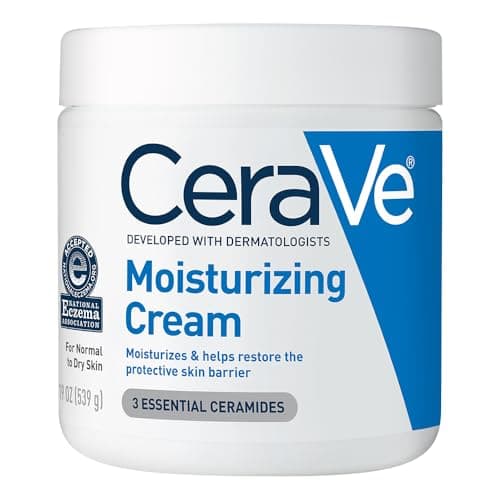
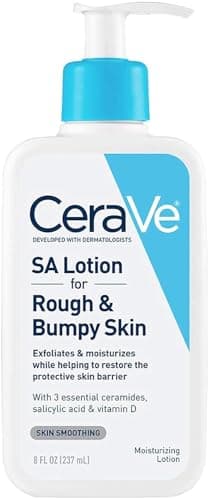
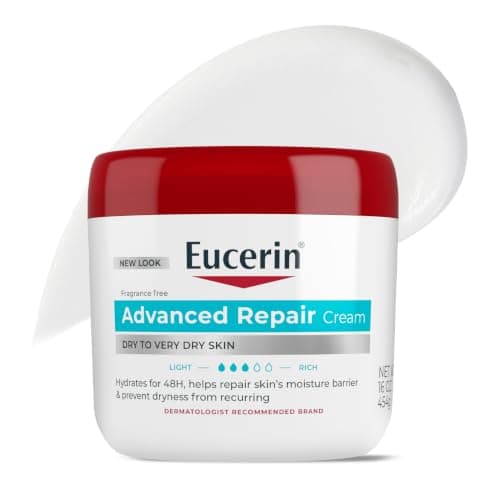
Crepey skin — that thin, finely creped, slightly papery look that shows up on the upper arms, forearms, and legs — is, in large part, a dryness and barrier story. As skin thins and holds less water, the surface loses its plumpness and settles into fine, crinkled lines that look a little like crepe paper. That means the everyday levers that help most are hydration and barrier support: put water back, seal it in, and gently smooth the rough surface, and crepey skin looks noticeably better even though nothing has changed underneath. Ceramides are central to that because they reseal the barrier so the water you add actually stays. These are the ceramide and ceramide-plus-urea body picks that plump and smooth the look, ranked on ceramide type and cost-per-ounce. And we will be honest throughout about what they do — hydrate, seal, and soften the appearance — and what they do not, which is reverse the underlying thinning of the skin.
A boundary first: this is cosmetic dry-skin care for the crepey look, not a medical or anti-aging treatment. Ceramide moisturizers improve how crepey skin looks by hydrating and smoothing it; they are not a substitute for a dermatologist if you want to address deeper skin aging, and they are not a treatment for any condition. With that clear, hydration is genuinely the most effective everyday thing for the crepey appearance, and these picks do it well. The face-side version of the same honesty is in do ceramides help wrinkles.
Why skin turns crepey
Crepey skin is thin, dry, and short on the water and lipids that keep it looking plump and smooth. As the surface dries out and the barrier holds less water, fine lines and a crinkled texture appear — largely a hydration and barrier issue at the surface. Cleveland Clinic's overview of what ceramides do describes ceramides as the lipids that seal the barrier and keep water in; when they are depleted, skin loses water and that papery, creped look is one of the visible results. Sun exposure over the years is a major contributor to skin thinning, which is one more reason daily sunscreen matters. But for the crepey look you already have, the most effective everyday response is to hydrate and reseal.
Why hydration is the real lever
Well-hydrated skin looks plumper and smoother, and crepey skin responds to moisture more than almost anything else you can do at home. A moisturizer works by combining humectants to draw in water, emollients to soften, and occlusives to seal, as the reference on how moisturizers work lays out — and a ceramide moisturizer adds the barrier lipids so the water stays put rather than evaporating away. Apply generously to slightly damp skin, twice a day, and the crepey areas plump and the fine crinkling softens. It is not permanent — it is the visible result of hydrated, sealed skin — which is exactly why consistency matters more than any single expensive product.
Where ceramide-plus-urea helps
For crepey skin that is also rough or flaky, a ceramide-and-urea formula does double duty: urea both hydrates and gently smooths rough, scaly surface skin, while ceramides support the barrier so the smoothing does not strip it. That combination can visibly refine the texture of crepey arms and legs. A gentle exfoliating lotion with ceramides works similarly, buffing away rough surface cells so the skin looks smoother and reflects light more evenly — the same barrier-safe smoothing approach behind our keratosis pilaris picks. Go gently: over-exfoliating thin, crepey skin makes it more reactive, not smoother.
How to use them for the best look
Technique matters as much as the product. Moisturize on damp skin right after showering to trap water, be generous on the crepey areas, and use a richer cream at night when you are not dressing over it. In the morning, a lighter, fast-absorbing lotion dresses over more easily — and sunscreen on exposed arms is worth it to slow further thinning. Keep it consistent: crepey skin looks its best on continuous hydration, and slips back when you stop. The wider seasonal adjustments are in the seasonal ceramide routine.
Honest expectations
Here is the honest bottom line. A ceramide body lotion will make crepey skin look plumper, smoother, and more comfortable by hydrating and sealing it — a real, visible improvement. It will not rebuild the skin's underlying thickness or turn back the clock; nothing off a shelf does that. If the crepey look bothers you enough to want more than cosmetic improvement, that is a conversation for a dermatologist, who can discuss options a lotion cannot deliver. For the everyday look, though, generous ceramide hydration is the most effective thing most people can do — and it is affordable.