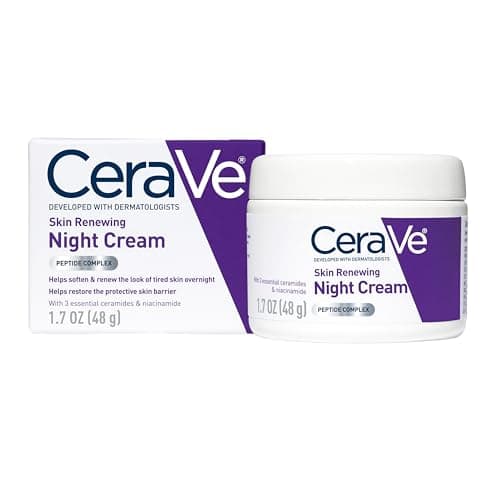
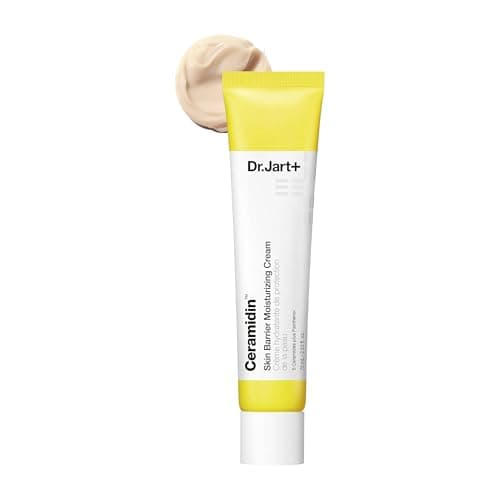
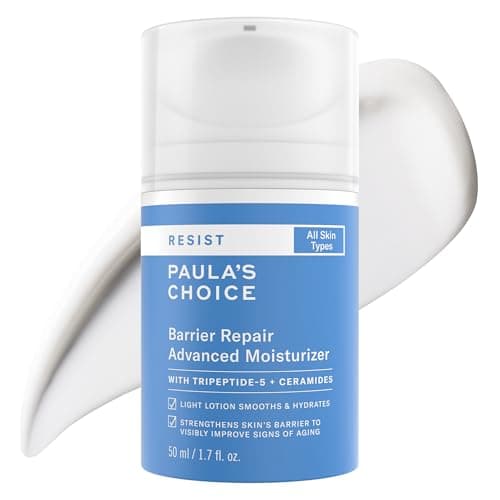
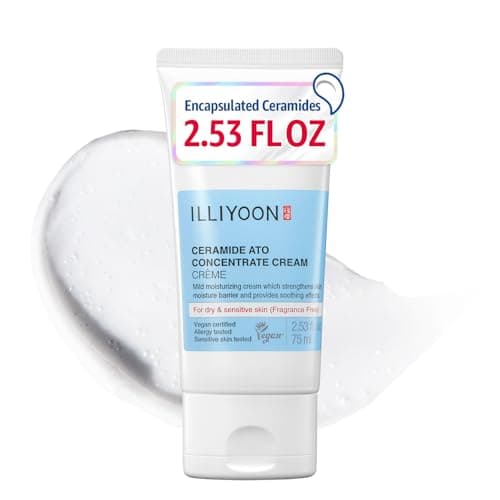
Here is the honest frame first: a ceramide cream is not a wrinkle treatment, and we are not going to pretend it is. What ceramides genuinely do for aging skin is address the real, unglamorous problem underneath the fine lines — skin makes fewer of its own barrier lipids as it ages, so it turns drier, thinner-feeling, and more easily irritated, and that dryness makes lines look worse and skin feel more fragile. A rich ceramide cream replenishes those lipids, restoring comfort, plumpness from proper hydration, and a barrier that can better tolerate the actives (like retinoids) that actually target aging. This is the cream tier — heavier and more sealing than the lighter aging-skin moisturizers— built for the drier, more mature skin that wants cushion, especially overnight. Picks are ranked on the two things that decide a barrier product: the ceramide types disclosed and the cost-per-ounce.
Some of the picks below add peptides, which is a sensible bonus for mature skin, but the reason to buy any of them is barrier repair, not a promise of erasing wrinkles. If firming and renewal are your main goal, pair one of these with a dedicated treatment rather than expecting the cream to do it alone — our guide on whether ceramides help wrinkles is candid about where the line is.
Why aging skin needs ceramides
Ceramides are the lipids that hold the skin barrier together and keep water in, as Cleveland Clinic's overview of what ceramides do explains. Mature skin tends to have less of them and produce them more slowly, which is a big part of why it feels drier, tighter, and more reactive over time. Replenishing them topically restores the seal, and well-hydrated skin simply looks smoother and plumper than dehydrated skin — not because the ceramide filled a wrinkle, but because a comfortable, water-holding barrier reflects light better and feels better. That is a real, honest benefit, and it is the foundation the rest of an anti-aging routine sits on.
The barrier trio and peptides
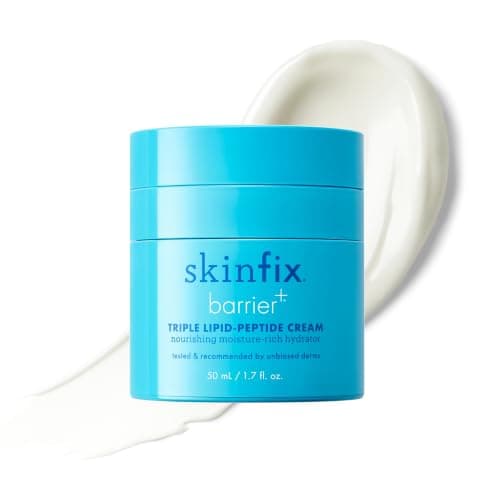
The skin builds its barrier from ceramides plus cholesterol and fatty acids, and research on the optimal ratios of those lipids for barrier recovery shows the wall rebuilds best when all three are present in balance — which is why a trio-complete cream like Skinfix is the technically strongest choice for aging skin that wants the most support. Several picks here also add peptides, which pair a firmness angle onto the barrier repair. Keep expectations grounded: peptide claims in moisturizers are modest, a genuine bonus rather than a retinoid replacement. Buy for the barrier; treat the peptides as a welcome extra.
Lean richer, and lean nighttime
This is the cream tier for a reason. Mature, drier skin usually wants more cushion than a light lotion gives, and the richest formulas earn their place overnight, when skin does much of its repair and there is no sunscreen or makeup to layer over. A common shape is a lighter ceramide moisturizer by day under sunscreen and a rich ceramide cream at night; our morning vs night routine guide covers the split, and applying to slightly damp skin makes any of these seal in more moisture.
Do not drop sunscreen
The single most evidence-backed anti-aging step is daily sunscreen, and no ceramide cream replaces it. UV damage undermines the barrier and drives visible aging, so keep sunscreen in the morning routine over your ceramide layer year-round. A rich ceramide cream supports the skin; sunscreen protects it, and mature skin needs both.
Value still counts
Premium anti-aging creams are where marketing markups run highest, so cost-per-ounce keeps everyone honest. We compute it live on every pick — which is why an affordable peptide-and-ceramide night cream can hold its own against jars several times the price. Pay more for a genuine trio, a broader ceramide complex, or a texture you love; do not pay more for a bigger anti-aging promise on the box.