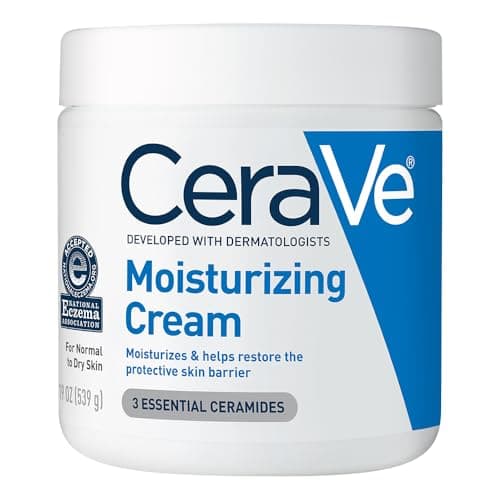
Sensitive skin is often a barrier problem in disguise. When the barrier is thin, more of what triggers irritation gets through, so skin flushes, stings, and reacts to products it once tolerated. The counterintuitive fix is not to strip the routine bare but to rebuild the wall — and for genuinely reactive skin, the richer cream form usually does that better than a light lotion, because it seals while it repairs. These are the ceramide creams gentle enough for sensitive skin, ranked on the two things that matter most here: the ceramide types they disclose and how little they fight reactive skin.
This is the cream tier of sensitive-skin care. If you want lighter, faster-absorbing options for daytime, those live in the sensitive-skin moisturizer roundup; the picks here are the richer creams you reach for at night, on tight winter skin, or whenever a reactive barrier needs more sealing than a lotion gives. Every one is fragrance-free or fragrance-conscious, because added fragrance is the most common avoidable trigger for reactive skin.
What “gentle” actually means in a ceramide cream
For sensitive skin, the gentlest cream is usually the simplest one that still does the barrier job. That means fragrance-free, a short and legible ingredient list, and no unnecessary actives — just the lipids the barrier is built from. Ceramides fit that brief perfectly: they are the same lipids your skin already makes, so restocking them is closer to topping up a natural supply than dosing the skin with something foreign, as Cleveland Clinic's overview of ceramides explains. A cream that pairs ceramides with cholesterol and fatty acids rebuilds fastest, per the classic barrier-lipid-ratio research, and there is good evidence that a ceramide-led lipid mixture can restore a barrier that has been chemically compromised, as shown in work on ceramide NP restoring an impaired barrier.
Why the richer form suits reactive skin
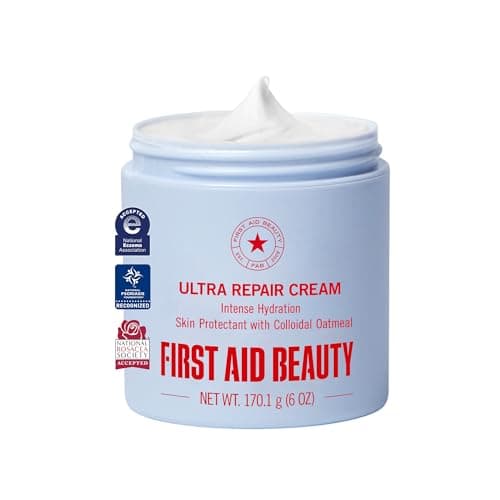
A common mistake with sensitive skin is reaching for the lightest possible product to avoid “overloading” the skin. But a reactive barrier is leaking water, and a richer cream with more occlusion holds that water in while the ceramides do the rebuilding — so the wall recovers faster and the reactivity settles sooner. The soothing picks here, like the oatmeal-and-ceramide option, add a genuinely calming ingredient on top of the lipids, which helps when skin is actively irritated rather than just dry.
Always patch test first
No matter how gentle a cream is on paper, sensitive skin deserves a patch test: a small amount on the inner forearm or behind the ear for a few days before you put it on your face. It is the cheapest insurance there is against a reaction, and it is doubly worth it when your skin has a history of stinging at new products.
Simplify before you add
If your skin is currently reactive, the fastest route to calm is subtraction. Pause exfoliating acids, retinoids, and anything labeled brightening or resurfacing, and strip back to a gentle cleanser, one of the ceramide creams here, and daily sunscreen. Once the barrier feels calm again, reintroduce actives slowly. Our step-by-step plan is in how to repair your skin barrier, and if the reactivity is severe, persistent, or comes with a rash, that is a reason to see a dermatologist rather than keep experimenting.
When it is rosacea or eczema, not just sensitivity
Sensitive skin shades into diagnosable conditions, and the line matters. If redness is persistent and flushing, or dryness comes with an itchy rash, a gentle ceramide cream still supports almost any treatment a dermatologist might prescribe — but a diagnosis should come first. Our picks for rosacea-prone skin and eczema are built with that in mind.