Rosacea is a chronic inflammatory condition that a moisturizer cannot treat, and anybody selling you a cream as a cure is lying. What is true, and useful, is that rosacea-prone skin has a measurably impaired barrier: the published review of the skin barrier in rosacea describes increased transepidermal water loss and reduced hydration in affected skin, which is why barrier repair sits alongside prescription treatment in standard care rather than instead of it. A cream that holds water in makes the prescription tolerable. That is the entire claim on this page.
It also changes the ranking criteria. On the general ceramide cream list we weight disclosed ceramide count heavily. Here, tolerance comes first: no fragrance, no essential oils, no menthol or alcohol-heavy base, no exfoliating acid, and a texture that does not trap heat on skin that flushes. A five-ceramide cream you cannot wear is worth less than a one-ceramide cream you can. The difference between this page and the lighter rosacea moisturizer picks is format: this list is for people who want a cream with cushion, usually for night or for winter.
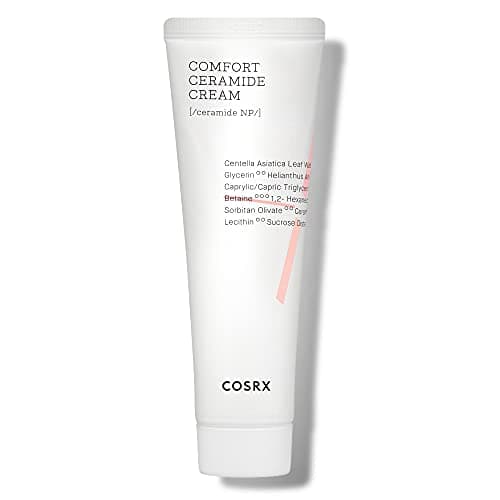
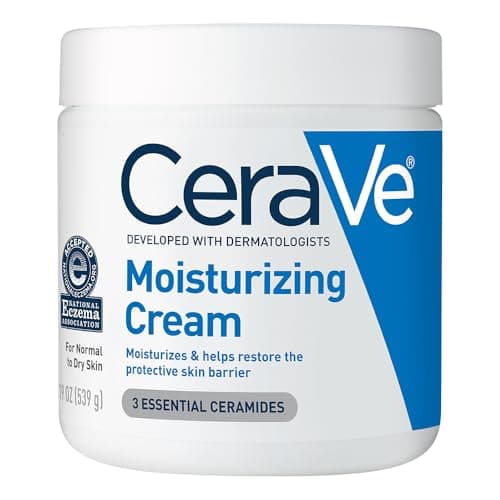
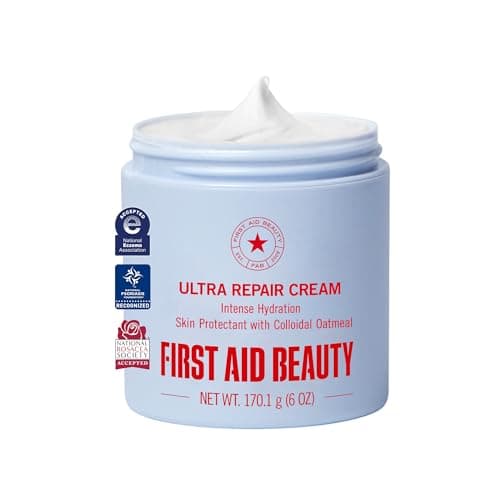
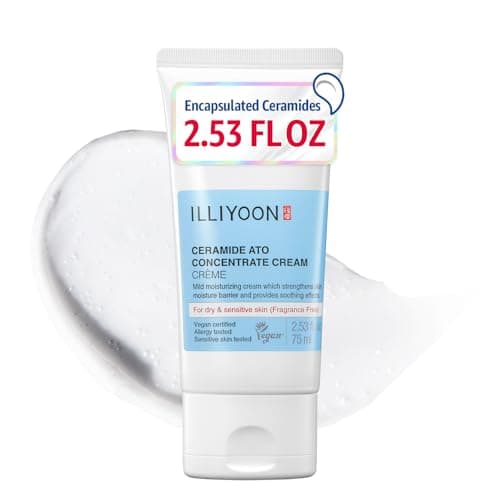
One honest caveat about ingredients that get recommended in this category. Niacinamide appears in two picks here and has published work behind it on stratum corneum hydration, but a minority of people with rosacea report flushing with it — if that is you, the CeraVe tub and the Illiyoon do not rely on it. Centella has a reasonable evidence base in dermatology, and colloidal oatmeal has published support for itch and barrier. None of that is rosacea-specific therapy, and we are not going to present it as such.
Pick in ten seconds
What to look for, and what to avoid
- Fragrance-free, including essential oils. The most common avoidable trigger, and the easiest to eliminate. Our whole fragrance-free shortlist is on the fragrance-free ceramide creams page.
- No exfoliating acids, no menthol, no high-alcohol bases. All three sting on rosacea-prone skin, and stinging is information. If a cream burns on application, stop using it rather than pushing through.
- Soothing ingredients with evidence. Centella, colloidal oatmeal, panthenol and glycerin all have published support for comfort and hydration. They are not treatments for rosacea, but they make a cream easier to tolerate.
- A texture that does not add heat. Heavy occlusives can feel suffocating on skin that flushes. Lighter in the morning, richer at night is the usual compromise.
- Sunscreen is not optional. Sun is one of the most consistently reported rosacea triggers. How to layer it over a ceramide cream without pilling is in ceramides and sunscreen.
How a cream fits around prescription treatment
Most rosacea prescriptions — topical metronidazole, azelaic acid, ivermectin — can be drying or irritating, which is the main reason people stop using them. Applying a bland ceramide cream after the prescription has absorbed, or before it as a buffer, is standard practice for exactly that reason. The mechanics are the same as the retinoid version: ceramides and azelaic acid covers the pairing most relevant here, and how long to wait between skincare steps has the timing. Do not change what your doctor told you to do on the strength of a shopping page — add the moisturizer around it.
Why we did not rank by ceramide count here
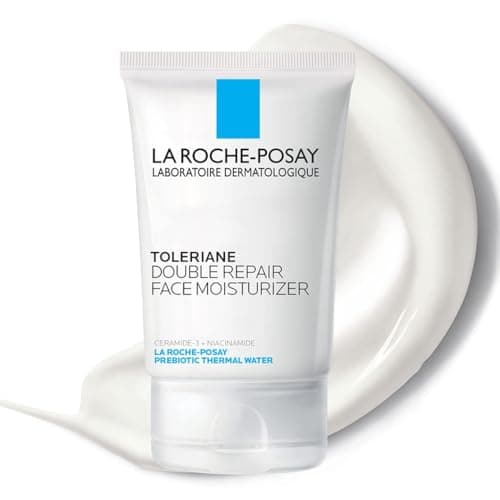
The top pick on this page discloses one ceramide type. The third pick discloses three and costs a fraction as much. On any other page the CeraVe would win, and it is worth saying plainly why it does not here: rosacea-prone skin fails products on tolerance far more often than on ingredient depth, and the La Roche-Posay is the one we would hand to someone who reacts to everything. If your skin tolerates the tub, buy the tub — you will get more ceramides for less money and we will not pretend otherwise. The lipid-ratio research still says a fuller lipid profile is better, all else equal. All else is frequently not equal on this particular face.
When it is not rosacea
Persistent central-face redness has several causes, and a few of them respond to opposite advice. Seborrheic dermatitis, perioral dermatitis and simple barrier damage from over-exfoliation all get mistaken for rosacea routinely. If the redness came on after a period of heavy actives, start with how to repair over-exfoliated skin and do ceramides help with redness, and get a diagnosis before spending money on a long-term routine.
What we would actually buy
The La Roche-Posay first, because the failure mode you are trying to avoid is a cream that stings. If it works and you want something richer for winter nights, add the CeraVe tub rather than replacing anything. Choose the COSRX if visible redness bothers you more than dryness does, and the First Aid Beauty if the dominant sensation is itch. The Illiyoon is the pick when you want a concentrated, gentle cream and are happy to pay a little more per ounce for a smaller tube.