A child's skin barrier is built from the same lipids as yours in the same ratios, so a ceramide cream is a reasonable thing to put on it. What changes is the margin for error. A toddler has roughly three times the skin surface area per kilogram of body weight that an adult does, which means anything you spread over all of it reaches a proportionally larger share of a much smaller person. The practical consequence is not “avoid ceramides” — ceramides are a lipid the skin already contains — it is that the rest of the formula has to be boring. Fragrance-free, essential-oil-free, active-free. That one filter is why this page ranks differently from every other roundup on the site.
It also narrows the field faster than you would expect. Two of the creams we normally recommend highly for adult dry skin are off this list on formulation grounds, and both exclusions are in the buyer's guide below with the reason. The barrier science itself is unchanged, and Cleveland Clinic's overview of what ceramides do for skin applies to a six-year-old exactly as it does to a forty-year-old. The childhood-specific part is eczema: the lipid deficit documented in ceramide abnormalities in atopic dermatitis is why a ceramide emollient is the standard daily layer under whatever a doctor has prescribed, rather than a replacement for it.
Pick in ten seconds
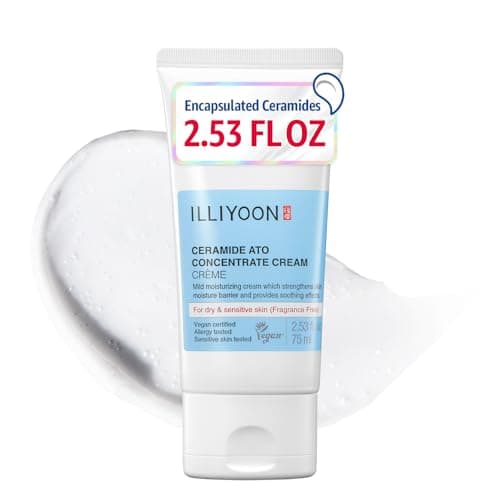
- Dry, eczema-prone patches on a baby or small child — the Illiyoon Ceramide Ato Concentrate Cream. Ceramide concentrate, panthenol, no fragrance, marketed for infants.
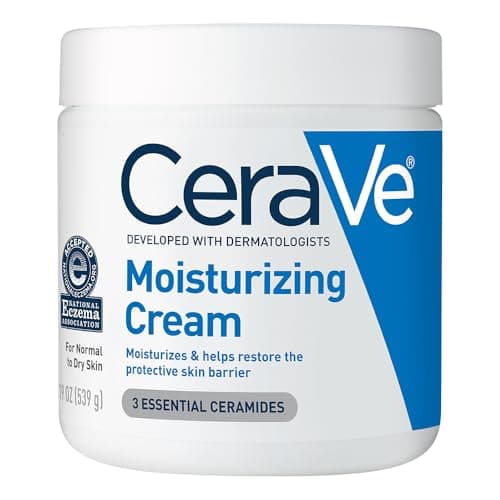
- Whole-body dryness on a bigger kid, twice a day, forever — the CeraVe Moisturizing Cream in the 19 oz tub. Three disclosed ceramides at the lowest cost-per-ounce here.
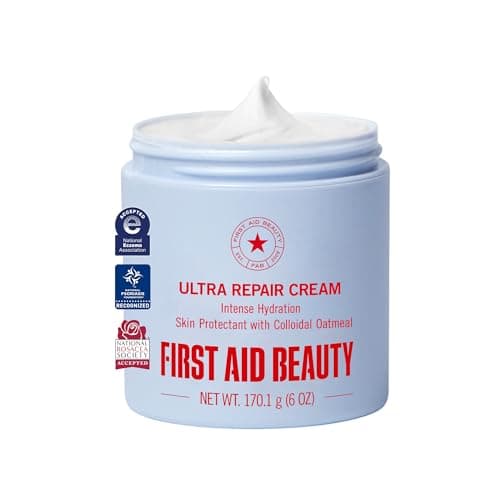
- Itch and scratching are the main problem — the First Aid Beauty Ultra Repair Cream, for the colloidal oatmeal alongside the ceramide-3.
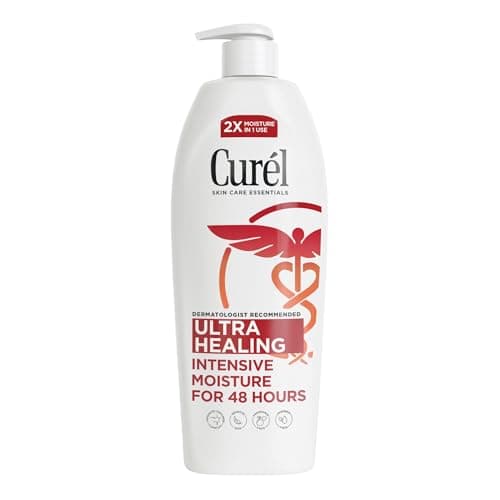
- Daily after-bath lotion for the whole family — the Curel Ultra Healing Lotion. A 20 oz pump is the format that actually gets used on a wriggling child.
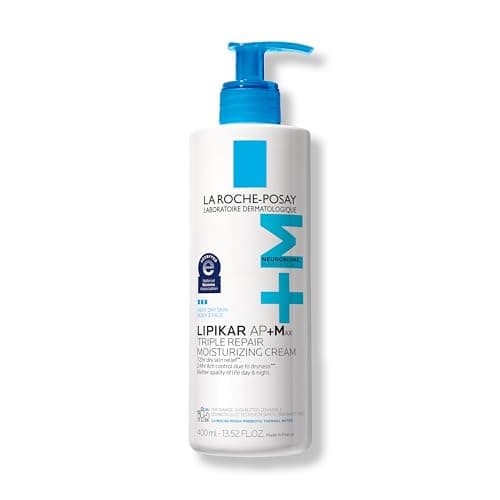
- Itchy eczema-prone body skin and you want the derm-shelf balm— the La Roche-Posay Lipikar Balm AP+M, with the caveat that it is a niacinamide-and-shea balm rather than a ceramide showcase.
- The skin is cracked, weeping, crusted or spreading— stop reading product pages and call a pediatrician. That is infection or a flare that needs prescribing, not a better moisturizer.
What to look for in a ceramide cream for a child
Four filters, applied in this order. The ceramide count is the last one, not the first.
- Fragrance-free, and that includes essential oils.Fragrance is the most common avoidable irritant in a barrier product and the one with no upside whatsoever on a child. “Unscented” is not the same claim as “fragrance-free” — the difference, and how to read it off a label, is in fragrance-free vs unscented.
- No actives.No urea, no salicylic acid, no retinol, no exfoliating acids, no vitamin C. All of them have a legitimate adult use case somewhere on this site; none of them belongs in a child's daily all-over moisturizer without a doctor saying so.
- A format you will realistically use twice a day. This is not a minor point. The barrier benefit of an emollient comes almost entirely from frequency, and a jar you have to finger-dip while holding a squirming three-year-old gets used less than a pump. Two of the five picks here are pumps for that reason.
- Then the ceramide list. Three disclosed types with cholesterol beats one disclosed type, for the reasons set out in the work on optimal ratios of topical stratum corneum lipids. But a one-ceramide cream applied twice daily beats a three-ceramide cream used whenever someone remembers.
The two creams we left off, and why
The Eucerin Advanced Repair creams.They are our pick for rough adult body skin and they are off this page for one reason: urea. Urea is doing the smoothing work in those formulas, it stings on broken skin, and broken skin is the normal state of an eczema-prone child's elbow creases. For an adult that is a manageable trade; for a child it is a reason to pick something else. The adult version of that ranking is on best ceramide body lotion for dry skin.
The Dr.Jart+ Ceramidin line. It has the deepest disclosed ceramide list we track, and its published ingredients include trace essential oils. On an adult face that is a non-issue. Spread over a small child twice a day it is an avoidable fragrance exposure for no barrier gain, so we rank it nowhere near this page. Its real home is the main ceramide cream ranking.
Is ceramide cream safe for a baby?
Ceramides themselves are skin-identical lipids, and the Illiyoon pick above is marketed by its own manufacturer for infants, which is a published claim we can point at rather than a judgment we invented. That said, we are a product review site and not a medical one: for a newborn, for infant eczema, or for any skin that is broken or infected, the person to ask is your pediatrician. The useful general framing is the American Academy of Dermatology's guidance on relieving dry skin — short lukewarm baths, moisturizer within three minutes of towelling off, fewer products rather than more.
How to actually use it on a child
- Bath short and lukewarm, not hot. Hot water strips the lipids you are about to replace — the mechanism is in ceramides and hot showers.
- Pat dry, leave the skin slightly damp, and apply within about three minutes. The damp-skin window is the single biggest free improvement available here.
- Use more than feels necessary, especially on shins, outer arms and the backs of the knees. Guidance on quantity is in how much ceramide moisturizer to use.
- Twice a day during a dry spell, once a day to maintain. Consistency is the whole game — see how often to use a ceramide moisturizer.
- If a doctor has prescribed a steroid or a calcineurin inhibitor, that goes on first and the emollient goes over it, unless you have been told otherwise.
What about teenagers?
Different page, different problem. Once breakouts arrive the filter shifts from “nothing irritating” to “nothing comedogenic”, which changes the ranking completely — thin oil-free lotions beat rich tubs. That ranking is on the best ceramide moisturizers for teens, and the acne-specific version is on best ceramide serums for acne-prone skin.
What we would actually buy
For a baby or a small child with dry, eczema-prone patches: the Illiyoon. It is the cleanest formula on the page, it is the one the manufacturer itself positions for infants, and the small tube is not a real objection when you are treating patches rather than a whole adult body. For a school-age child who needs moisturizing from the neck down twice a day, buy the 19 oz CeraVe tub and stop optimising — three disclosed ceramides, fragrance-free, and a cost-per-ounce that means you will not ration it, which is the failure mode that actually matters. The Curel pump is the one to keep in the bathroom for whoever gets out of the bath first. And if the dryness never improves on a good emollient used properly for a few weeks, that is medical information rather than a shopping problem — the usual reasons a good product appears to do nothing are in why your ceramide moisturizer is not working.