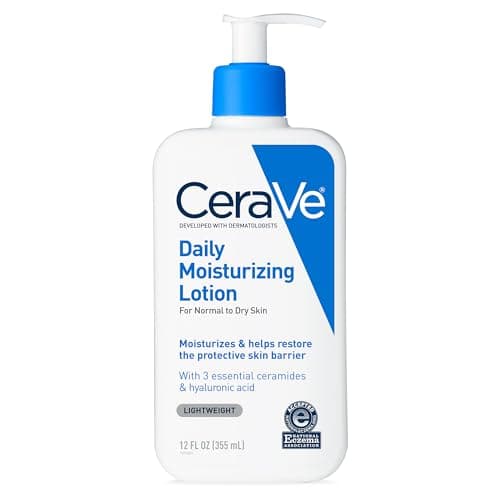
Dry skin is the one skin type where the drugstore shelf is not a compromise — it is the right answer. The formulas below disclose real ceramide types, pair them with the cholesterol and fatty acids that make a barrier-repair mixture work, and come in tub sizes that put the cost-per-ounce near a dollar. Nothing at the expensive end of the market beats that math for skin whose main problem is that it is dry. This page is the whole routine, not just a moisturizer pick: what to wash with, what to put on damp skin, what changes at night, and the one step people with dry skin skip that they should not. Every price and cost-per-ounce here is pulled live, so you are comparing today's number rather than one we typed once and forgot.
This is the entry point of our three dry-skin routine builders. If you have the basics covered and want a better texture or a formula built for reactive skin, the mid-range dry-skin routine is the next tier, and the premium dry-skin routineis where the elegant, expensive formulas live — with an honest note about what you do and do not get for the money. For picks judged on the moisturizer alone, the best ceramide moisturizers for dry skin roundup ranks the full field, and the cheapest ceramide moisturizers covers value across every skin type.
The morning routine, step by step
- Rinse, or wash gently. If your skin was clean when you went to bed, a lukewarm water rinse is genuinely enough in the morning. If you use a cleanser, use a non-foaming, fragrance-free one and keep it brief. Tightness afterwards is a signal you have over-cleaned, which we unpack in skin tightness after cleansing.
- Moisturize while skin is still damp. Blot, do not dry. Applying a ceramide cream within a minute of washing traps the water already on your skin rather than letting the room take it. This one habit does more for dry skin than any product upgrade.
- Sunscreen, every day.This is the step dry-skin routines skip most often and the one with the most evidence behind it. It goes over the moisturizer, once the moisturizer has settled — order and the pilling fix are in ceramides and sunscreen.
The night routine, step by step
- Cleanse properly. Night is when washing earns its place: sunscreen, makeup and a day of city air genuinely need removing. Keep it gentle and short.
- Optional: a hydrating layer on damp skin. A humectant serum, or even a splash of water under the cream, gives the ceramide layer something to seal in. Skip it if it complicates the routine enough that you stop doing it.
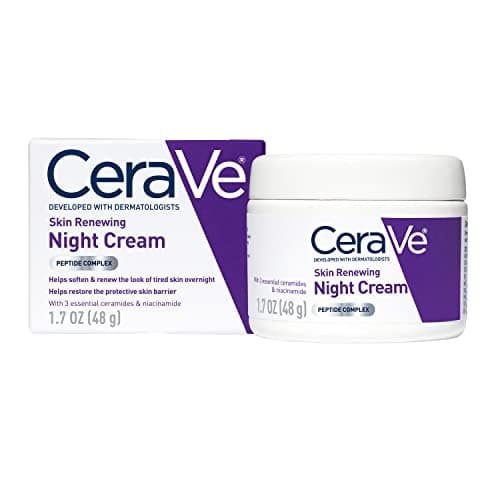
- A richer cream than you used this morning.Skin loses more water overnight, so a thicker layer pays off. The CeraVe Skin Renewing Night Cream is our pick for the PM step because it adds cushion while staying fragrance-free — though a second, heavier application from the big tub does most of the same job for nothing extra.
- Seal the edges. A dab of the same cream on lips, nostrils and around the eye area covers where dry skin cracks first.
What you can skip at this tier
Almost everything else. Toners are optional for dry skin and actively unhelpful if they contain alcohol. Exfoliating acids are the fastest way to turn dry skin into damaged skin — if you use them at all, once a week is plenty, and the recovery plan if you have overdone it is in how to repair over-exfoliated skin. Face oils are a texture preference rather than a barrier requirement, and layering them is covered in how to layer ceramides and face oil. Sheet masks are a nice evening, not a routine. The steps above are the ones that move the needle.
Where the drugstore genuinely wins
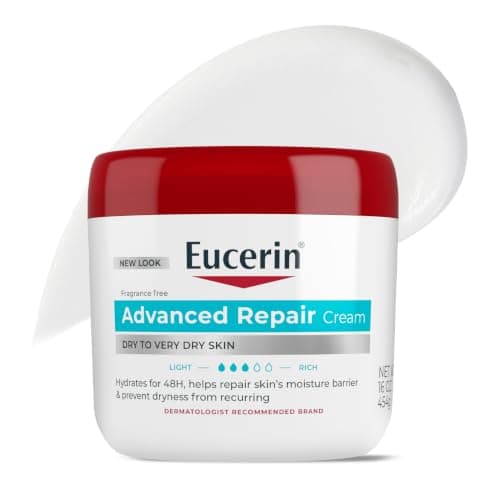
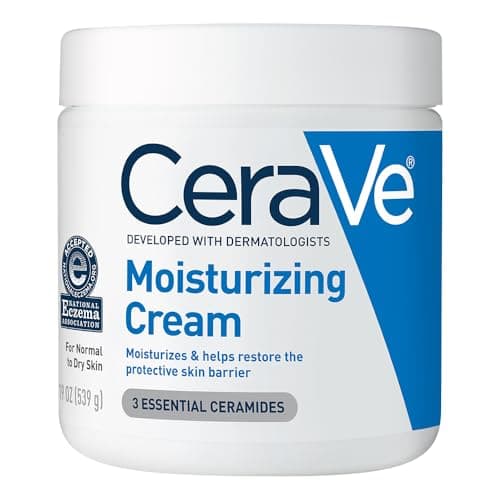
Dry skin uses a lot of product. You apply it twice a day, generously, on the face and often the neck, arms and shins as well — and the routine only works if you keep doing it. That makes cost-per-ounce the number that decides whether a routine survives past month three, which is why we compute it live on every pick rather than calling something “affordable”. A 19-ounce tub of CeraVe Moisturizing Cream and a large Eucerin Advanced Repair Cream both sit near the bottom of the entire market on that measure while still disclosing real ceramides. The premium creams are not four times better; they are four times the price for a nicer texture in a smaller jar. That is a legitimate thing to buy, but it is a texture purchase, not a barrier purchase.
When it is worth spending more
Three honest reasons to step up a tier. First, texture: if a thick occlusive cream feels unpleasant enough that you skip nights, a lighter mid-range formula you use every day beats a better cream you avoid. Second, reactive skin: the drugstore picks here are already fragrance-free, but if something in them still bothers you, the mid-range tier gives you more formulas to try. Third, a serum step: ceramides in a weightless, layerable format barely exist at this price, and that starts in the premium routine. Anything else — packaging, brand, a longer ingredient list — is not a reason.
The honest limit
This is a cosmetic routine for dry skin, and that is all it claims to be. Ceramides, humectants and occlusives support and hydrate the barrier; they do not diagnose or treat a skin condition. If your skin stays dry, cracked, itchy or inflamed no matter how gently you wash and how consistently you moisturize — or if you are dealing with something that looks like eczema, a rash, or broken skin — that belongs with a doctor or dermatologist, not another tub of cream. Persistent trouble that does not respond to a sensible routine is exactly what a professional should look at.